Zero-Waste Foods: What to Buy and How to Use It All
What food is zero-waste?
Truly “zero-waste” food is any food you can buy and use without sending packaging or edible scraps to the trash. In real life, that usually means choosing foods sold loose or in reusable containers, then using the whole ingredient (including stems, peels, and leftovers) so nothing gets discarded.
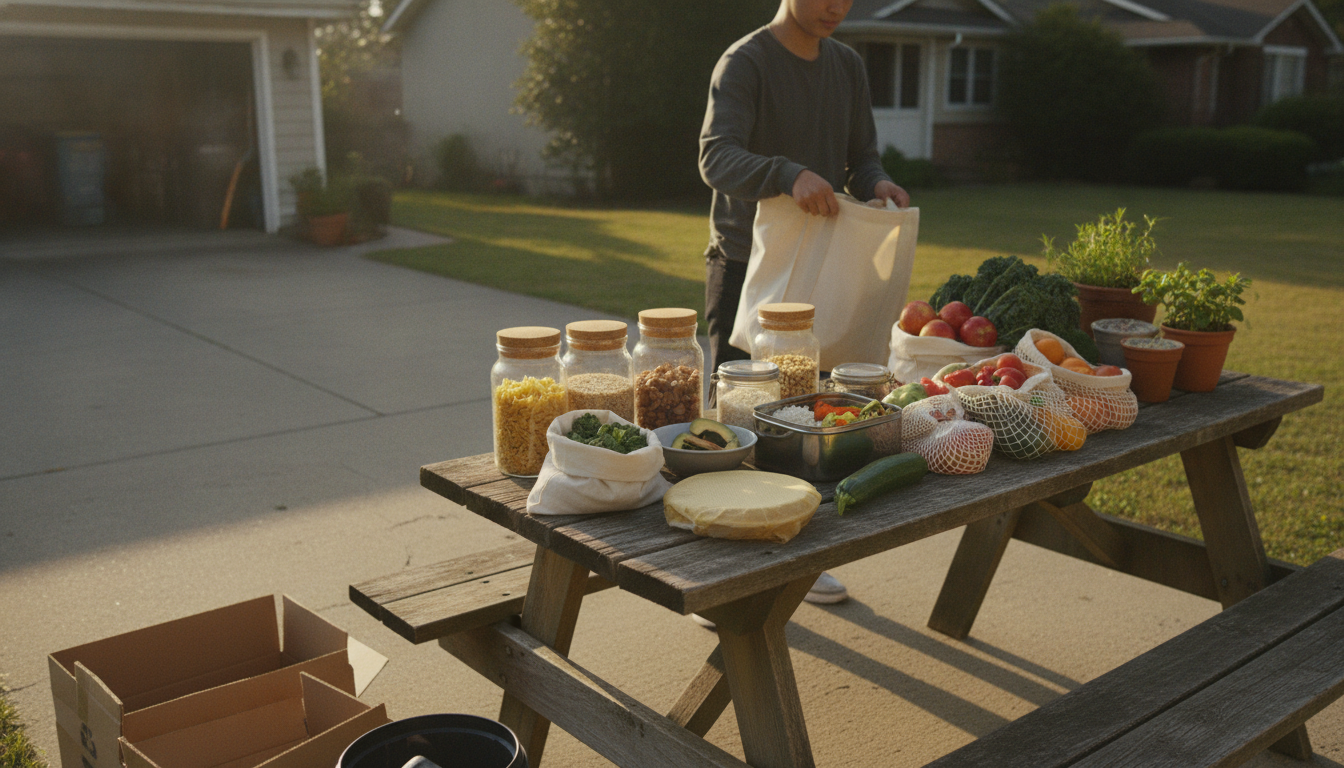
The simplest zero-waste options are whole foods bought without packaging: loose produce, bulk-bin dry goods in your own jars, and bakery items placed into your reusable bag. Farmers markets and refill shops make this easier, but many grocery stores also offer package-free sections if you bring containers.
Examples of low-to-zero-waste foods
Loose fruits and vegetables: Apples, bananas, potatoes, onions, squash, and greens can be purchased without plastic and stored at home with minimal waste.
Bulk staples: Rice, oats, pasta, lentils, beans, nuts, seeds, coffee, and spices from bulk bins can be close to zero-waste when you refill the same containers.
“Whole-use” ingredients: Carrots (tops for pesto), broccoli (stems for slaw), herbs (stems for stock), and citrus (zest and juice) help keep scraps out of the bin.
Fresh-baked items: Bread, rolls, and pastries can be packaged in your reusable cloth bag instead of single-use wrappers.
How to make any food closer to zero-waste
Plan around what you’ll actually eat, store foods to extend freshness, and cook intentionally. Save vegetable trimmings for broth, freeze overripe fruit for smoothies, and turn leftovers into next-day lunches. When traveling, pack reusables (a container, utensil, and bottle) so takeout and snacks don’t create a pile of disposables. For more practical ideas, see this zero-waste travel checklist and guide.
For Zero-Waste Foods: What to Buy and How to Use It All, the best answer depends on fit, material, care instructions, and how the product will be used day to day.
FAQ
How can I reduce food waste while traveling?
Bring a reusable container and utensil for leftovers, buy only what you can finish, and choose package-free snacks like loose fruit. When you do get takeout, ask for “no cutlery/napkins” and store extras for later.










Leave a comment