Zero-Waste Travel Challenge: Checklist for Low-Waste Trips
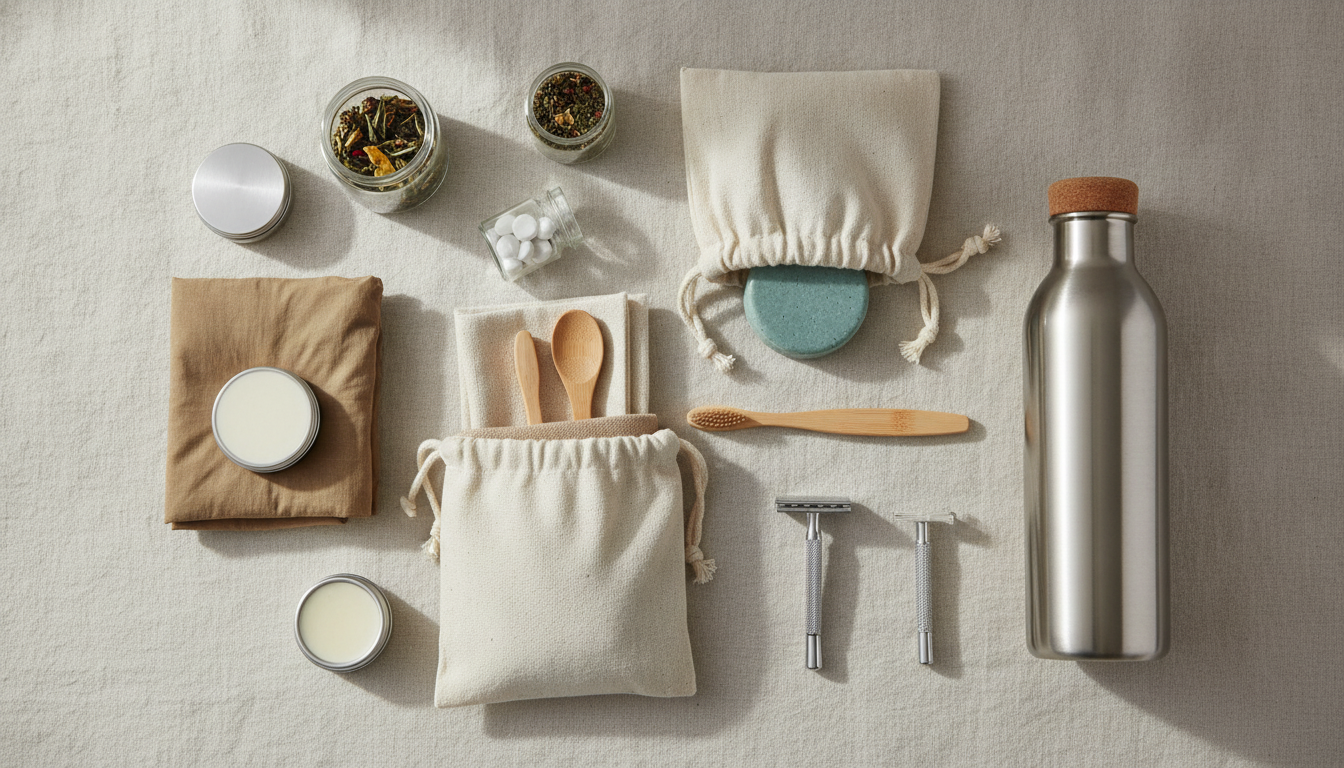
Zero-Waste Travel Challenge Checklist: Eco-Friendly Packing and Low-Waste Habits on the Go
A zero-waste travel challenge turns sustainable intentions into simple, trackable actions—before departure, in transit, and at the destination. With a few smart reusables and a “refuse first” mindset, it’s possible to cut down on trash dramatically without feeling like travel has turned into a chore. This checklist focuses on the biggest sources of travel waste (drinks, snacks, toiletries, and takeaway) and builds habits that work for quick weekends, week-long trips, and longer itineraries.
How the Zero-Waste Travel Challenge Works
Think of this as a short, friendly competition with yourself—measured in small wins rather than perfection.
- Choose a challenge length: a weekend, 7 days, or your full trip.
- Set a baseline: jot down your usual disposables (bottled water, snack wrappers, hotel mini toiletries, takeout cutlery).
- Follow three phases: pre-trip prep, travel day, and destination habits.
- Track a simple tally: items refused, items reused, and waste produced (by pieces or by “how full is the trash?”).
- Prioritize high-impact swaps: choose changes that fit the itinerary and travel style.
For broader context on why travel waste matters—and how tourism can be more responsible—see the United Nations Environment Programme’s overview of sustainable tourism.
Pre-Trip Prep: Build a Reuse Kit That Fits Any Itinerary
The easiest way to avoid single-use items is to make reusables automatic. A small “reuse kit” prevents last-minute purchases and keeps your bag organized.
- Start with a reuse core: refillable water bottle, compact tote, reusable cutlery set, and a small food container.
- Add personal care essentials: solid soap/shampoo or refillable minis, bamboo toothbrush, refillable deodorant, and a small laundry bar for sink-washing.
- Pack a just-in-case set: binder clips (for chip bags/maps), a repair patch/tape, and a tiny sew kit to extend garment life.
- Plan for sorting: a small foldable bag for recyclables/compostables where facilities exist.
- Go lighter on paper: digital documents where possible; a small notebook only if needed offline.
Zero-Waste Packing Checklist by Category
| Category | Bring | Low-Waste Swap | Notes |
|---|---|---|---|
| Hydration | Refillable bottle | Skip bottled water | Use airport refill stations; consider a filter cap if needed |
| Coffee/Tea | Collapsible cup | Avoid disposable cups/lids | Request no sleeve; carry a small cloth for drips |
| Food | Snack pouch + container | Skip single-serve snacks | Pack bulk snacks; use container for leftovers |
| Utensils | Spork + chopsticks | Skip plastic cutlery | Add a metal straw only if regularly used |
| Shopping | Foldable tote | Skip store bags | Keep in daypack for markets and souvenirs |
| Toiletries | Refillables/solids | Skip hotel minis | Prefer solids for flights; follow carry-on liquid rules |
| Laundry | Laundry bar + line | Reduce one-time outfits | Sink-wash basics; rewear layers |
| Health | Refillable sanitizer | Avoid wipe packets | Use a small cloth; choose bar soap when possible |
Eco-Friendly Packing: Lightweight, Capsule, and Rewear-Friendly
Lower-waste travel often looks like lighter travel. When you pack fewer, better items, you reduce “emergency buys,” extra packaging, and over-laundering.
- Try a capsule formula: 2–3 bottoms, 4–6 tops, 1 midlayer, 1 outer layer, plus shoes matched to your activities.
- Choose quick-dry, odor-resistant fabrics: fewer washes, faster sink-drying, and less dependency on hotel laundry.
- Layer instead of overpacking: one warm midlayer can replace multiple bulky pieces.
- Pick multipurpose items: scarf as a blanket, tote as a beach bag, container as a lunchbox.
- Skip “just in case” duplicates: bring a micro repair kit and a plan to borrow, rent, or buy secondhand if needed.
Travel Day: Airports, Stations, and Road Trips Without the Trash Trail
Travel days are where convenience packaging multiplies. The goal is to reduce impulse disposables and make your defaults reusable.
For carry-on toiletries, follow the Transportation Security Administration’s guidance on the 3-1-1 liquids rule. For everyday reduction strategies that apply anywhere you travel, the EPA’s reducing and reusing basics are a solid reference.
At the Destination: Lodging, Dining, and Activities With Less Waste
Challenge Scorecard: Measure Progress in a Simple, Motivating Way
Printable Checklist Option for Faster Packing and Habit Tracking
- Zero-Waste Travel Challenge Checklist | Eco-Friendly Packing & Sustainable Travel Guide (digital download) is designed for fast packing, day-by-day habit tracking, and an easy scorecard.
- For downtime on flights or train rides, a digital guide like Unlock the Page: Your Simple Guide to Getting Motivated to Read More Books can replace impulse purchases at kiosks (and helps make travel time feel less screen-heavy).
- If your itinerary includes unpredictable weather, a packable layer matters—use a styling guide like Zip It Up: The Ultimate Guide to Styling Your Zip-Up Hoodie Like a Pro to build a small capsule with rewear-friendly outfits.
FAQ
What are the most important items for zero-waste travel if luggage space is limited?
Prioritize a refillable water bottle, a compact tote, and a small container or utensil set. Together, these cover the most common travel disposables: drinks, shopping bags, and takeaway meals.
How can zero-waste travel work when flying and going through security?
Bring an empty bottle through security and refill after screening, and pack solid toiletries when possible to simplify compliance. Carry snacks and a container so delays don’t force you into packaged food and single-use cutlery.
What if the destination has limited recycling or refill options?
Focus on refusal and reuse first: buy fewer packaged items, choose durable goods, and consolidate into larger formats when you do need to purchase something. The main win is reducing what you generate—perfect sorting is secondary when infrastructure is limited.









Leave a comment