Camping vs Backpacking Checklist: Key Differences
What’s the difference between a camping checklist and a backpacking checklist?
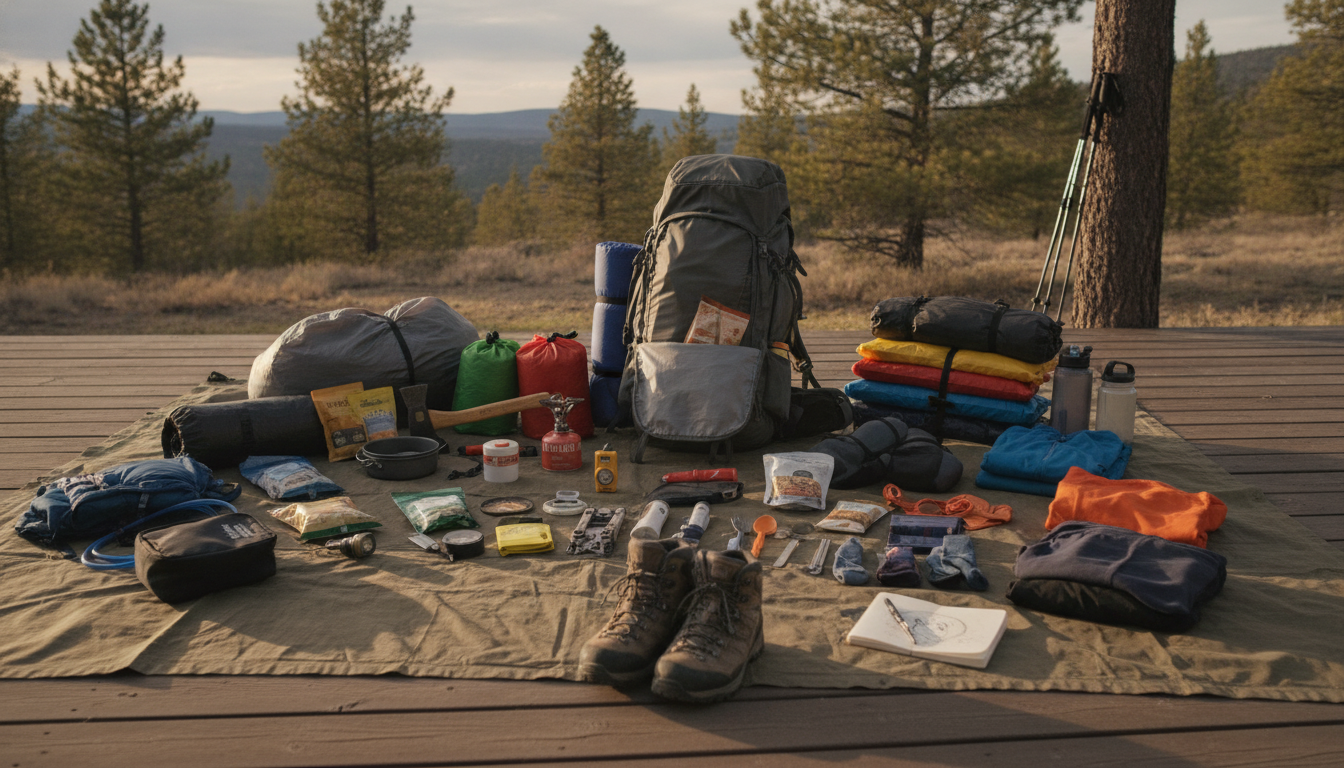
A camping checklist is built around comfort, convenience, and having room to bring “nice-to-haves” because you’re usually driving to a campsite. A backpacking checklist is built around weight, packability, and multi-use gear because everything must be carried on your back for miles. Both lists cover shelter, sleep, cooking, clothing, navigation, and safety—but they prioritize them very differently.
How a camping checklist is organized
Camping checklists typically assume you have a car nearby, so items can be larger, heavier, and more specialized. Expect room for a full-size tent, thicker sleeping pads, camp chairs, a larger stove, coolers, lanterns, extra clothing layers, and comfort items like pillows or games. You’ll also see more campsite-specific add-ons such as tablecloths, dish tubs, and larger food storage solutions, because camp setup and lounging time are part of the experience.
How a backpacking checklist is organized
Backpacking checklists focus on minimizing ounces while keeping you safe and prepared. Gear is often “scaled down” and optimized: a lightweight shelter (or tarp), compact sleep system, a small canister stove or stove alternative, dehydrated food, and a streamlined toiletries/first-aid kit. Clothing is more intentional—layers that dry fast and do double duty. Tools are chosen for efficiency, like a headlamp instead of lanterns and a filter or purifier instead of hauling lots of water.
The practical takeaway
If you’re unsure which list to follow, ask one question: “Will I carry this the whole day?” If yes, use a backpacking checklist. If the car is close and weight doesn’t matter, use a camping checklist. For a printable list that covers camping, hiking, and backpacking essentials, use this guide: printable camping gear checklist.
For Camping vs Backpacking Checklist: Key Differences, the best answer depends on fit, material, care instructions, and how the product will be used day to day.
FAQ
What should I pack first for an overnight hike?
Start with the essentials that keep you safe and able to sleep: shelter, sleep system, water treatment, food, and a headlamp. Then add navigation, weather layers, and a small first-aid kit.









Leave a comment