Printable Camping Gear Checklist for Hiking & Backpacking
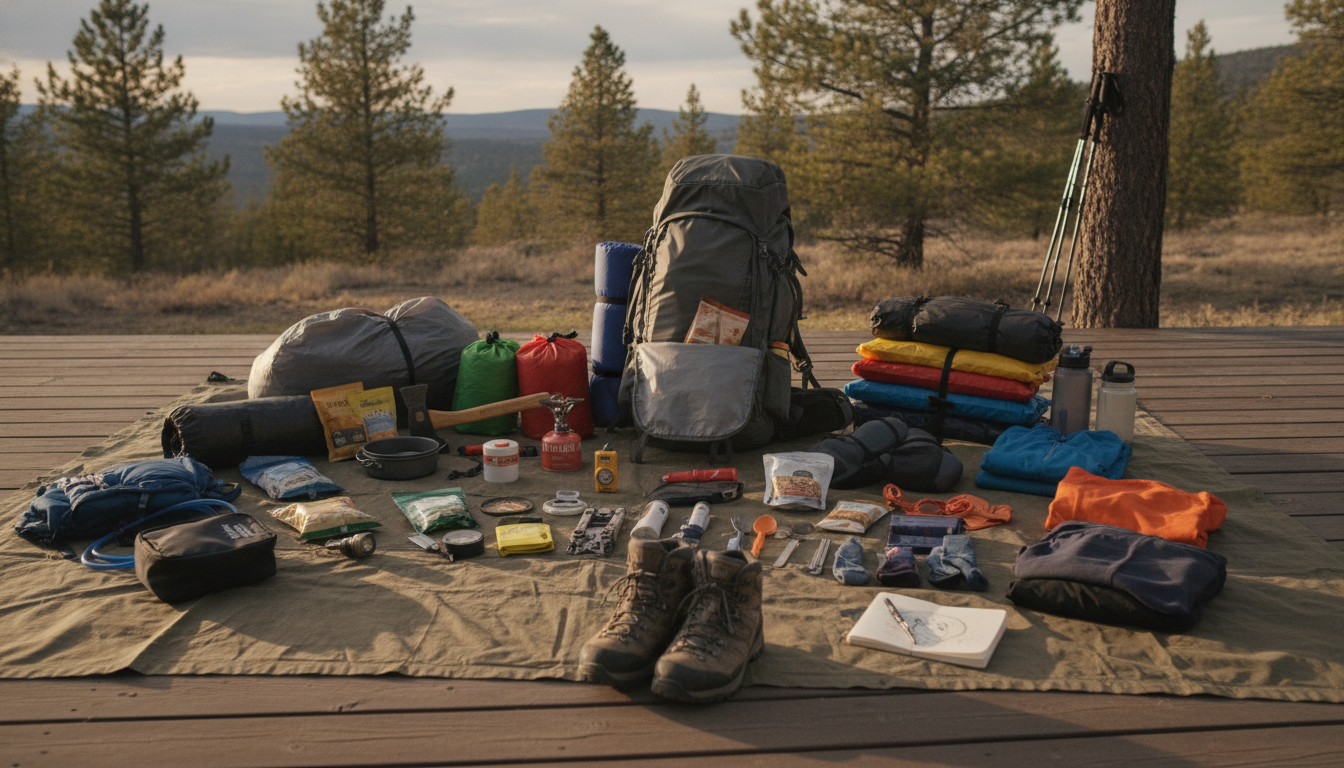
Camping & Outdoor Gear Checklist: A Printable Packing List for Hiking, Backpacking, and Outdoor Adventures
Packing for the outdoors gets complicated fast: weather shifts, trip length, activity type, and safety needs all change what belongs in a bag. A printable checklist makes it easier to pack once, verify twice, and leave with confidence—whether it’s a car-camping weekend, a day hike, or a multi-day backpacking trip. Use the sections below to build a reliable system, avoid last-minute store runs, and keep essentials from being forgotten.
Start with the trip basics (the decisions that change everything)
Before listing gear, lock in the variables that drive nearly every packing choice. A “perfect” list for one route can be wrong for the next.
- Trip type: car camping, day hiking, or backpacking (space and weight limits differ dramatically).
- Duration and resupply: overnight vs. multi-day; access to water sources or stores.
- Forecast and conditions: temperature range, precipitation, wind, altitude, bugs, fire restrictions (check updates via NOAA National Weather Service).
- Group size and roles: shared gear (stove, shelter, water treatment) vs. personal gear.
- Skill level and route: navigation complexity, remoteness, and turnaround plans (review basics with National Park Service hiking safety guidance).
The core gear categories (build the checklist once, reuse every time)
These categories form a repeatable packing system. Build a “base list” and then add condition-specific mini-lists (cold, rain, bugs, water-scarce routes).
- Shelter: tent/tarp, footprint, stakes, guylines, repair tape; consider bivy or hammock setup depending on terrain.
- Sleep system: sleeping bag/quilt, sleeping pad, pillow or stuff-sack pillow, sleep layers; match temperature rating to nighttime lows.
- Backpack/carry system: appropriate capacity, rain cover/liner, pack organization (dry bags, stuff sacks).
- Cooking and food: stove, fuel, lighter/matches, pot/mug, utensils, windscreen, bear canister or hang kit where required.
- Water: bottles/bladder, filtration/purification, backup method, electrolyte mix; plan capacity for dry stretches.
- Clothing system: layers (base, insulating, shell), socks/underwear, hat/gloves, sun protection; choose fast-drying fabrics.
- Footwear: trail shoes/boots, camp shoes (optional), blister prevention supplies.
- Navigation and lighting: map/compass, GPS/offline maps, headlamp with extra batteries; keep light accessible.
- Safety and repair: first aid, knife/multi-tool, duct tape/patch kit, cordage, emergency blanket or bivy.
- Hygiene and waste: trowel, toilet paper/wipes, hand sanitizer, trash bags, toothbrush; follow local waste rules and Leave No Trace principles.
Packing list by adventure type (what changes, what stays)
The essentials stay familiar, but priorities shift: comfort for car camping, speed for day hikes, and weight discipline plus redundancy for backpacking.
- Car camping prioritizes comfort: larger shelter, thicker pad, cooler, extra clothing, camp chairs, lanterns.
- Day hiking prioritizes speed: lighter layers, minimal food kit, smaller first aid, emergency warmth, water capacity.
- Backpacking prioritizes weight and redundancy: multipurpose items, compact cook kit, repair and emergency tools, careful food storage.
- Cold, wet, or buggy conditions add specific items: waterproof layers, warmer sleep system, extra socks, insect protection, gloves/hat.
- Water-scarce routes require a different plan: increased carrying capacity, known sources, and a conservative buffer.
| Category | Car Camping | Day Hike | Backpacking (Multi-day) |
|---|---|---|---|
| Shelter | Tent + comfort extras (doormat, larger footprint) | Emergency shelter (light tarp/bivy) | Lightweight tent/tarp + stakes/guylines |
| Sleep | Thicker pad, warmer bag if nights dip | Not applicable (add emergency warmth) | Bag/quilt + pad matched to lows |
| Cooking/Food | Stove or grill, cooler, full kitchen bin | No-cook snacks + small emergency calories | Compact stove, fuel, pot, planned meals |
| Water | Jugs + filter (optional) | Bottles/bladder + filter if needed | Filter/purifier + backup + capacity for dry sections |
| Clothing | Spare outfits, extra layers | Layering for quick changes | Layering + sleep clothes; minimize duplicates |
| Safety | Full first-aid kit in vehicle | Compact first-aid + headlamp | First-aid + repair kit + navigation + emergency bivy |
Food, water, and storage: the part most people underestimate
Food and water are where small miscalculations compound. A short trip can become miserable (or risky) when the plan doesn’t match reality.
- Meal planning: build breakfasts, lunches, dinners, and snacks with realistic appetite and cooking time; include a “no-cook” backup day.
- Food storage: know local rules (bear canister required areas, lockers, or proper hanging); pack odor-resistant bags where helpful.
- Water strategy: identify sources, treat every time unless confirmed safe, and carry more when the forecast is hot or the route is exposed.
- Cooking efficiency: confirm fuel type and compatibility; test stove at home; bring a backup ignition source.
- Waste plan: pack out trash, used wipes, and food scraps; keep a dedicated trash bag that won’t leak.
Clothing and footwear: build a layer system, not a pile of items
Safety, navigation, and contingency planning
Printing and using a checklist so it actually works in the field
Digital download checklist: a ready-to-print system for repeatable packing
If you want a single, reusable system you can print for different trip styles, the Camping & Outdoor Gear Checklist (printable digital download) is designed to cover the core categories plus the easy-to-forget details.
For downtime at camp (or recovery days at home), pair it with Unlock the Page: Your Simple Guide to Getting Motivated to Read More Books (Digital Download) to keep a simple routine that’s easy to stick with.
FAQ
What should be on a basic camping and hiking packing list?
Include essentials across shelter, sleep, water, food/cooking, clothing layers, navigation/lighting, first aid, repair, and hygiene/waste. Then add trip-specific items based on weather, terrain, and duration.
How do packing lists differ for day hiking vs. backpacking?
Day hikes focus on minimal carry with emergency warmth, water, snacks, and safety items. Backpacking adds a sleep system, shelter, cook kit, food storage, and a stronger repair/contingency setup while managing weight.
How many liters of backpack capacity are needed for an overnight trip?
Many overnight kits fit in the 35–55L range depending on gear bulk, season, and food/water needs. Colder weather and bulkier sleep systems usually push you toward the higher end.







Leave a comment