Benefits of Play-Based Learning in Early Childhood
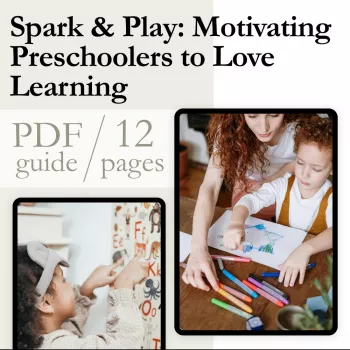
What are the benefits of play-based learning in early childhood?
Play-based learning helps young children build skills the way they naturally learn best—through exploring, pretending, testing ideas, and talking things through. Instead of separating “learning” from “fun,” play turns everyday moments into meaningful practice that supports growth across academic, social, and emotional areas.
Builds language and early literacy
During pretend play, kids narrate what they’re doing, negotiate roles, and ask questions. That back-and-forth conversation strengthens vocabulary, listening, and storytelling—skills that later support reading and writing.
Strengthens problem-solving and early math thinking
Blocks, puzzles, sorting games, and make-believe scenarios invite children to predict outcomes, notice patterns, and try again when something doesn’t work. These playful challenges develop reasoning, spatial awareness, counting, and comparison (more/less, bigger/smaller) without pressure.
Supports social-emotional development
Play gives children a safe way to practice sharing, taking turns, and handling big feelings. When a game changes or a tower falls, kids learn flexibility, patience, and self-control—key pieces of emotional regulation.
Boosts creativity and confidence
Open-ended play encourages children to generate ideas, invent solutions, and express themselves. As they make choices and see their ideas come to life, they gain independence and confidence in their abilities.
Encourages motivation to learn
Because play is self-driven, it nurtures curiosity and persistence. Children are more likely to stick with a task when it feels like discovery rather than a test.
For practical, simple ways to nurture this kind of learning at home, see this guide to motivating preschoolers to love learning through play.
For Benefits of Play-Based Learning in Early Childhood, the best answer depends on fit, material, care instructions, and how the product will be used day to day.
FAQ
How can parents encourage independent learning at home?
Offer a few open-ended materials (blocks, crayons, pretend-play items), then step back and let your child lead. Ask simple questions, notice effort, and keep routines predictable so they feel confident exploring on their own.








Leave a comment