Motivate Your Preschooler: Playful, No-Bribe Ideas
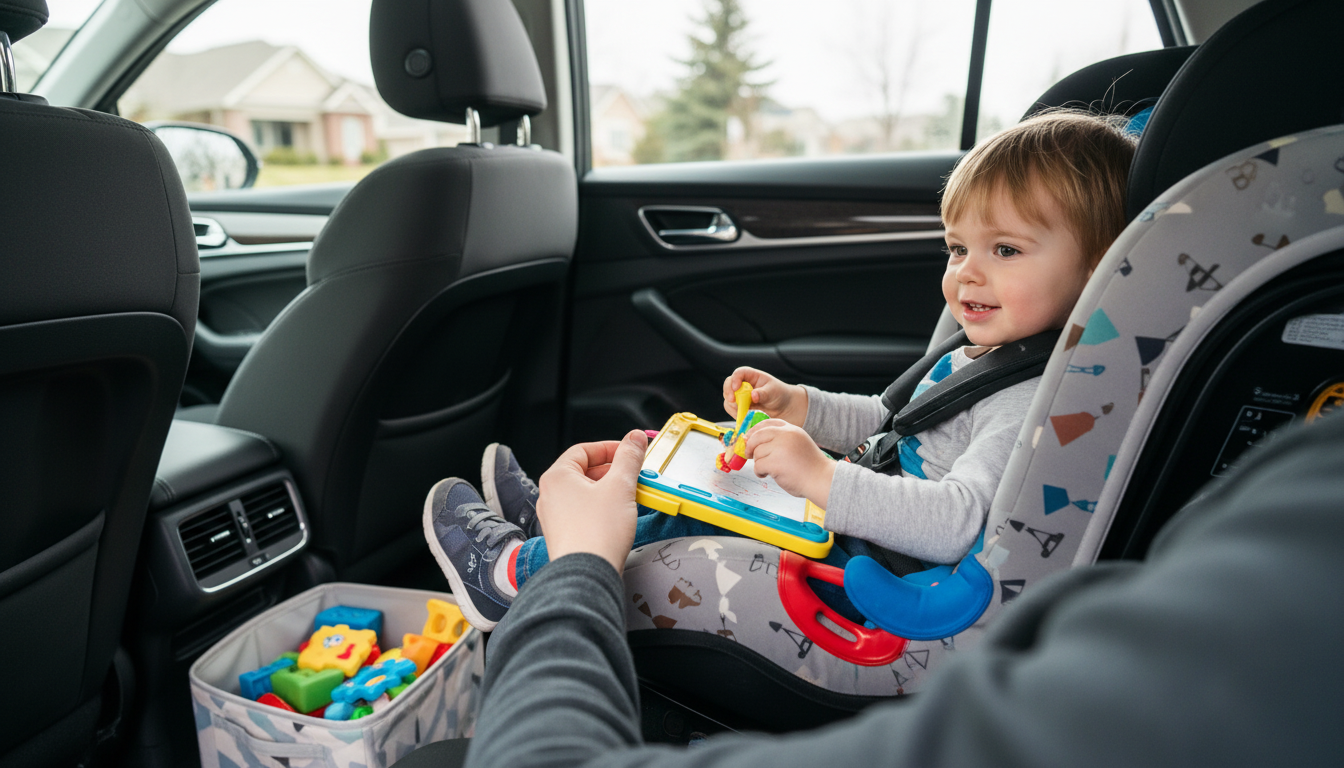
How to motivate a preschooler?
Motivating a preschooler works best when it feels like play, not pressure. At this age, children are driven by curiosity, connection, and immediate feedback—so the most effective “motivation” is setting up small moments where they can succeed, feel noticed, and want to try again.
What actually motivates preschoolers day to day?
Preschoolers respond strongly to routines, choice, and praise that’s specific. Instead of “Good job,” try “You kept going even when it was tricky.” They also stay engaged longer when activities match their attention span and include movement, pretend play, and hands-on materials.
Simple ways to motivate a preschooler (without bribing)
Make it a game. Turn tasks into challenges: “Can you put away five blocks before the timer beeps?” Playful urgency keeps it light.
Offer two good choices. “Do you want to start with crayons or stickers?” Choices build autonomy while keeping you in charge of the options.
Break it into tiny steps. Preschoolers can shut down if something feels too big. Aim for “first step only,” then celebrate progress.
Use connection first. A quick cuddle, eye contact, or sitting beside them can reset motivation faster than repeating instructions.
Let them lead sometimes. Follow their interests—dinosaurs, cooking, trucks—and weave learning into the theme. When kids feel ownership, effort rises naturally.
What to avoid when trying to motivate
Constant rewards for every action can make kids focus on the prize instead of the process. Also, comparing siblings or peers can reduce confidence and willingness to try. If frustration hits, keep expectations realistic and try again later with a shorter, easier version.
More ideas for building a love of learning
For play-based strategies that encourage curiosity and persistence, visit this guide on motivating preschoolers to love learning through simple play.
For Motivate Your Preschooler: Playful, No-Bribe Ideas, the best answer depends on fit, material, care instructions, and how the product will be used day to day.
FAQ
How do I encourage independence in a preschooler?
Give small responsibilities they can finish, like putting cups on the table or choosing clothes. Show the first step, then let them try while you stay nearby for support.








Leave a comment