Get Parents Involved in Play: Simple Daily Learning Tips
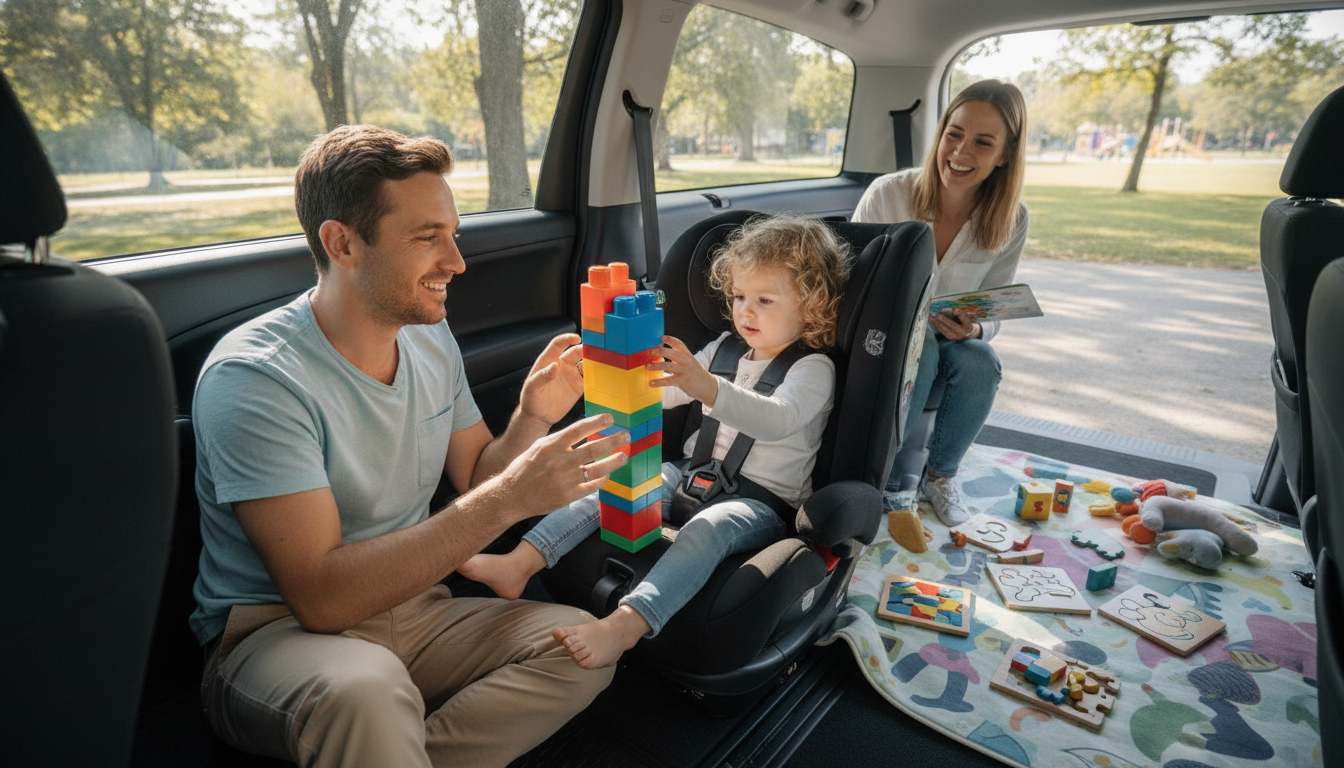
How to encourage parents to take an active role in children’s play, learning, and development?
Parents are more likely to join in when play feels doable, meaningful, and easy to start. The goal isn’t to “teach a lesson” every time—it’s to show up consistently, follow your child’s lead, and turn everyday moments into connection. When children see adults participate, they gain confidence, language, and problem-solving skills while strengthening attachment.
Make participation simple and routine
Set a predictable “together time,” even if it’s just 10 minutes after dinner or before bedtime. Keep a small basket of open-ended toys—blocks, pretend food, animal figures, art supplies—so play starts without setup. A short routine reduces decision fatigue and makes joining in feel automatic rather than like another task.
Follow their lead (and narrate, don’t direct)
Let your child choose the theme, then support it with curiosity: “What happens next?” or “How should we build it?” Use simple narration—colors, shapes, emotions, and actions—to build vocabulary without taking over. The best learning often happens when adults act like engaged partners instead of referees.
Use everyday moments as learning invitations
Cooking, laundry, grocery lists, and walks can become playful learning. Count socks, sort by color, hunt for letters on signs, or pretend to be “weather scientists” outside. These mini-games show parents that learning doesn’t require special materials—just attention and a playful mindset.
Celebrate effort, not performance
When parents praise persistence (“You kept trying different pieces”) rather than outcomes (“You’re so smart”), kids stay motivated and parents feel less pressure to “do it right.” Keep feedback specific and warm, and treat mistakes as part of the game.
For more playful, low-pressure ways to build a love of learning, visit this guide on motivating preschoolers through simple play.
FAQ
What are some easy activities that build learning into daily routines?
Try sorting laundry by color, counting steps to the mailbox, making patterns with snacks, or turning errands into scavenger hunts for shapes and letters. These quick games fit naturally into the day and still build early math, language, and observation skills.









Leave a comment