Monthly Baby Budget: What to Plan for (Real Numbers)
How much to budget for baby expenses per month?
A practical monthly budget for baby expenses often lands between $300 and $800, depending on feeding method, diapering choice, childcare needs, and where you live. Some families spend less by using hand-me-downs, buying secondhand, and skipping non-essentials, while others spend more if they rely on formula, premium diapers, or paid help.
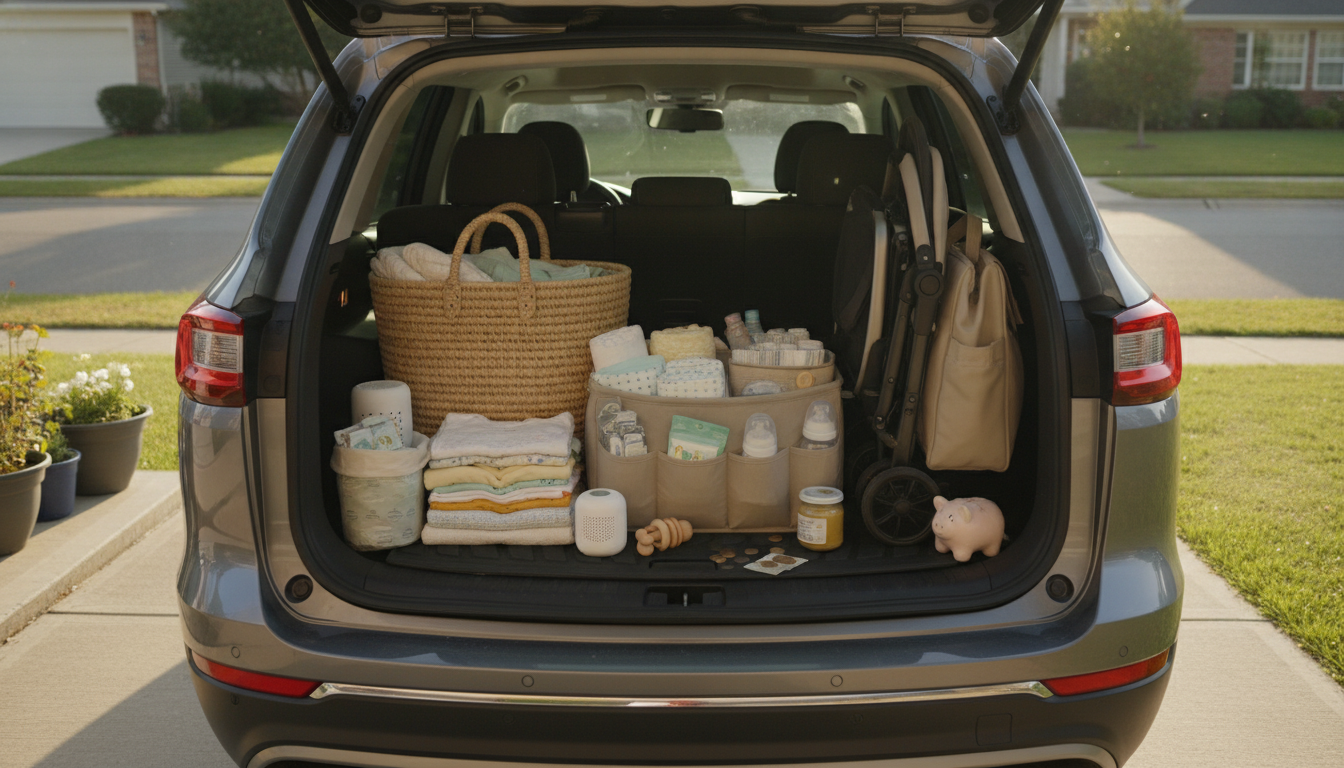
To set a number that fits your household, start with the “must-haves” you’ll buy every month (diapers, wipes, feeding supplies) and separate them from occasional costs (clothes in the next size up, a winter coat, a new car seat). If childcare is part of the picture, treat it as its own line item—it can easily be the largest monthly baby-related expense.
Typical monthly baby costs to plan for
Diapers and wipes: Disposable diapers and wipes commonly run $60–$120 per month, while cloth diapering may lower ongoing costs but can add laundry and up-front purchases.
Feeding: Breastfeeding may still include costs (pump parts, storage bags, nursing bras), while formula can range roughly $100–$250+ per month depending on brand and baby’s needs.
Clothing and basics: Many months are light, but budgeting $30–$75 helps cover growth spurts, seasonal changes, socks, and sleepers.
Healthcare: Co-pays, prescriptions, and over-the-counter items (saline, diaper rash cream, thermometer) vary widely; setting aside $25–$100 can prevent surprises.
Childcare: If needed, this can range from a few hundred to several thousand dollars per month based on location and schedule.
How to choose the right number for your family
Use a “baseline + buffer” approach: estimate your essentials, then add 10%–20% for unplanned purchases like extra formula during cluster-feeding weeks or replacing lost pacifiers. For a deeper breakdown by category and real-world scenarios, see the full guide: How much to budget for baby expenses per month.
FAQ
What are the biggest hidden baby costs?
Childcare, healthcare co-pays, and convenience spending (last-minute delivery fees, extra bottles, replacement parts) tend to add up quickly. Planning a small monthly buffer helps cover these without derailing your budget.









Leave a comment