Wood Cat Climbing Frame: Stylish Vertical Space for Cats
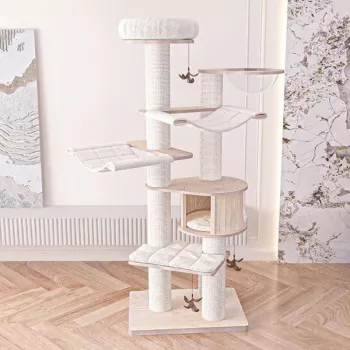
Wood Cat Climbing Frame: A Natural Way to Add Vertical Space at Home
Cats feel most at ease when they can climb, perch, and observe from above. A wood cat climbing frame brings that vertical territory indoors with a clean, furniture-like look—supporting daily movement, play, and rest without taking over the room.
Why vertical space changes a cat’s day
When you add vertical space, you’re not just giving your cat “something to climb”—you’re giving them control over how they move through the home. That sense of choice matters in everyday life, especially for indoor cats.
- Supports natural behaviors: climbing, surveying, and choosing a safe vantage point.
- Encourages active play: short bursts of movement that fit naturally into a cat’s rhythm.
- Helps create “zones”: cats can step away from noise, visitors, or busy hallways.
- Can reduce boredom-driven scratching: by offering an appealing route and destination that isn’t your bookshelf.
For more on why environment design matters, you can also reference guidance from International Cat Care (iCatCare) and enrichment resources from the American Animal Hospital Association (AAHA).
What makes a wood cat climbing frame feel at home
A climbing frame works best when it feels like it belongs—both to your interior and to your cat’s movement patterns. Wood-forward pieces can blend in like a purposeful side table or accent furniture, which makes it easier to keep the setup in place long-term.
- Wood-forward design: blends with everyday interiors and reads more like furniture than pet gear.
- Sturdy build: helps the frame feel reassuring underfoot for confident jumps and landings.
- Multiple levels: create options—a quick hop, a mid-height pause, and a higher perch.
- A dedicated “lookout”: can reduce the urge to claim shelves and countertops.
Quick comfort check before placing a climbing frame
| Placement choice | Why it works | Simple tip |
|---|---|---|
| Near a window | Adds visual stimulation and a calm perch | Keep a clear landing zone in front |
| In a quiet corner | Creates a retreat for naps and decompression | Aim for low foot traffic |
| Next to a scratching spot | Pairs climbing with a satisfying scratch routine | Add a scratch pad at the base |
| Close to family space | Lets cats stay involved without being underfoot | Leave space for pass-through walking |
Getting the most out of a new climbing setup
Even confident cats can take a day or two to decide a new structure is “theirs.” The smoothest introductions are simple, consistent, and hands-off—you’re inviting exploration, not directing a performance.
- Introduce it like a route: place a favorite blanket or familiar scent item on a mid-level to invite the first climb.
- Use positive cues: place a few treats on lower levels first, then progressively higher to teach the flow.
- Rotate engagement: end a short wand-toy session with a calm perch so the frame becomes the “win” spot.
- Keep it predictable: avoid moving the frame repeatedly during the first week so it becomes part of your cat’s map.
Choosing the right size and layout for your cat
The “best” climbing frame is the one your cat will actually use—and that often comes down to step spacing, platform stability, and whether the layout matches your cat’s confidence level.
- Match the frame to your cat’s style: bold jumpers enjoy taller, spaced levels; cautious climbers prefer closer steps.
- Consider household dynamics: multi-cat homes do best with more than one resting level to prevent bottlenecks.
- Check the jump path: cats prefer clear takeoff and landing areas—avoid tight gaps behind doors or near fragile décor.
- Plan for growth and aging: kittens learn quickly, while seniors appreciate shorter rises and stable platforms.
Layout guide by cat style
| Cat style | Best layout feature | What to avoid |
|---|---|---|
| Kittens and young adults | Multiple levels for energetic loops | One single high perch with no mid steps |
| Shy or cautious cats | Gradual steps and lower first platform | Forcing tall jumps too early |
| Large or sturdy cats | Wider platforms and stable spacing | Narrow perches that encourage slipping |
| Senior cats | Lower climbs with frequent rest points | Long gaps between levels |
Care and upkeep for a wood cat climbing frame
A climbing frame stays more “irresistible” when it’s comfortable under paws and consistent in the home. A few light habits keep the setup inviting and stable.
In-stock picks from our team
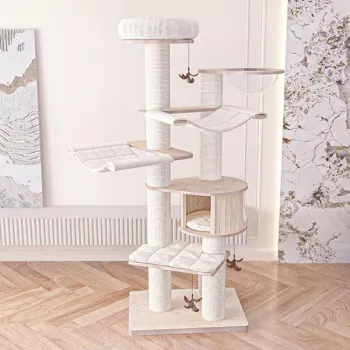
- Wood Cat Climbing Frame — a wood-forward climbing option designed to support daily movement, play, and calm perching.
- Skin Microbiome Balance: Prebiotics + Probiotics Routine – The Ultimate Guide for Radiant, Healthy Skin — a straightforward digital guide if you’re also refreshing your self-care routines.
- Unlock the Page: Your Simple Guide to Getting Motivated to Read More Books — a quick digital download built around practical reading momentum.
At-a-glance details
| Item | Details |
|---|---|
| Product | Wood Cat Climbing Frame |
| Availability | In stock |
| Price | 1450.49 USD |
| Link | https://candorale.com/wood-cat-climbing-frame/ |
FAQ
How do cats learn to use a climbing frame?
Start by making the frame smell familiar with a blanket or item your cat already uses, then add treats on the lowest levels and gradually higher ones. Keep sessions short and positive, and let your cat approach on their own—most cats accept it as a trusted route within a few days.
Where is the best place to put a wood cat climbing frame?
Window-adjacent placement adds a natural viewing perch, while a quiet corner creates a calm retreat; near family space works well for social cats who still want personal space. Prioritize a clear landing area, avoid tight door swings, and keep fragile décor out of the jump path.
Is a climbing frame helpful for multi-cat homes?
Yes—vertical territory can reduce tension by creating extra lanes and separate resting zones instead of forcing cats to share the same floor-level routes. Choose a setup with multiple usable levels so more than one cat can perch without blocking access.







Leave a comment