Solo Travel for Beginners: Thrive on Your First Trip
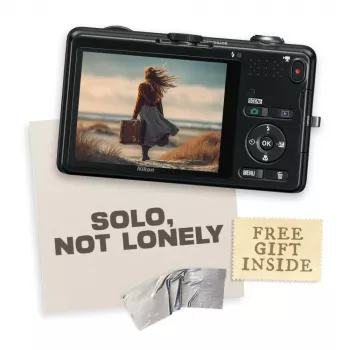
Solo, Not Lonely: A Practical Guide to Thriving on Your First Solo Trip
Solo travel can feel equal parts exciting and intimidating—especially the first time. The goal isn’t to “prove” anything or stay busy every minute. It’s to feel capable in new surroundings, make thoughtful choices, and leave room for connection (including with yourself) without pressure. The tips below focus on confidence before departure, destinations that naturally support solo explorers, a safety plan that’s calm—not consuming—and simple ways to feel connected on the road.
What “thriving alone” looks like (and what it doesn’t)
Thriving on a solo trip doesn’t mean turning every meal into a social event or collecting a full calendar of activities. A strong solo trip often looks surprisingly ordinary: good sleep, steady meals, a few intentional plans, and the confidence to pivot when your energy changes.
- Redefine success: A good solo trip isn’t nonstop socializing—it’s feeling capable, curious, and safe.
- Expect emotional weather: Excitement, quiet moments, and occasional loneliness can all coexist.
- Use a simple baseline: Sleep, food, movement, and a daily “anchor plan” prevent spirals.
- Aim for connected independence: Comfortable alone time plus light, low-pressure interaction.
If you find yourself judging the trip by how many people you met, switch the metric: “Did I take care of myself and explore with intention?” That’s thriving.
Mindset shifts that make solo travel easier
The fastest way to feel better alone is to treat choice as your advantage. When you’re the only decision-maker, you can design your days around your real energy—no negotiating, no apologizing, no rushing to match someone else’s pace.
- Swap “I’m alone” for “I’m in charge”: Decision-making becomes a feature, not a burden.
- Treat awkwardness as a transition phase: The first 24 hours often feel the strangest.
- Use micro-bravery: One small action at a time—ask a question, join a short tour, sit at the bar.
- Plan for recovery: Build in quiet blocks so social effort doesn’t become exhausting.
- Create a home-base ritual: Morning coffee walk, evening journal, or a fixed dinner spot.
That “first-day weirdness” is normal. Give yourself permission to do the basics well (eat, hydrate, get oriented), then let momentum build naturally.
Best destination traits for first-time solo travelers
For a first solo trip, the easiest destination isn’t always the most famous—it’s the place where logistics are smooth and solo behavior looks normal. Look for walkable neighborhoods, straightforward transit, and lots of group activities that don’t require you to arrive with a companion.
First-time solo destination checklist
| Trait | Why it helps | Quick test before booking |
|---|---|---|
| Walkable core | Reduces transport stress and decision fatigue | Map key spots; check if most are within 30–40 minutes on foot |
| Reliable public transit | More freedom, fewer pricey rides | Look up last train/metro times and airport connection options |
| Group activities available | Built-in connection without pressure | Search for walking tours, cooking classes, day trips, meetups |
| Good lodging options | Safety and social balance | Check reviews for “solo traveler friendly” and common-area vibe |
| Clear safety guidance | Better planning and calm | Read official travel advisories and local emergency numbers |
For official planning basics, check current guidance before you book and again before you fly: U.S. Department of State — International Travel, CDC — Travelers’ Health, and UK Foreign, Commonwealth & Development Office — Foreign Travel Advice.
A simple safety plan that doesn’t steal the joy
Safety gets easier when it’s a routine, not a constant mental debate. Think “light structure + layered backups” so you can relax without feeling careless.
Connection tips that feel natural (even for introverts)
Your first 48 hours: a confidence-building mini-itinerary
When loneliness shows up: a practical reset
A deeper companion guide for confident solo explorers
If you want a step-by-step approach you can reference before departure and during arrival days, Solo, Not Lonely: A Traveler’s Guide to Thriving Alone (eBook) is designed as a practical trip companion—mindset shifts, destination traits, connection strategies, and repeatable routines you can reuse on future trips.
For extra comfort planning downtime, a simple digital read can help build a calmer travel rhythm: Unlock the Page: Your Simple Guide to Getting Motivated to Read More Books. And if you’re building a light capsule wardrobe for variable weather, Zip It Up: The Ultimate Guide to Styling Your Zip-Up Hoodie Like a Pro can help you keep outfits simple and functional while still feeling put-together.
FAQ
How can a first-time solo traveler feel safe without being anxious the whole trip?
Use a lightweight framework: plan your arrival route, choose lodging in a central area, carry a few backups (offline maps, spare card, power bank), and check official advisories. A simple daily check-in routine reduces decision fatigue and keeps safety from becoming a constant mental loop.
What are easy ways to meet people while traveling alone without forcing it?
Choose structured social options like walking tours, classes, and small-group day trips, then add “repeat-venue” routines (the same café for a couple mornings). Use low-pressure openers like “What’s been the highlight so far?” and keep a daily social time limit so it stays enjoyable.
What should be planned in advance for the first 48 hours of a solo trip?
Pre-plan your first meal, the route from arrival to lodging, and a short neighborhood loop to find transit and essentials. Book one guided activity for Day 1, pick one comfort activity, and keep Day 2 flexible with a simple day trip or a walking route with a few planned stops.









Leave a comment