Essential Oils for Thicker-Looking Hair: Simple Routine
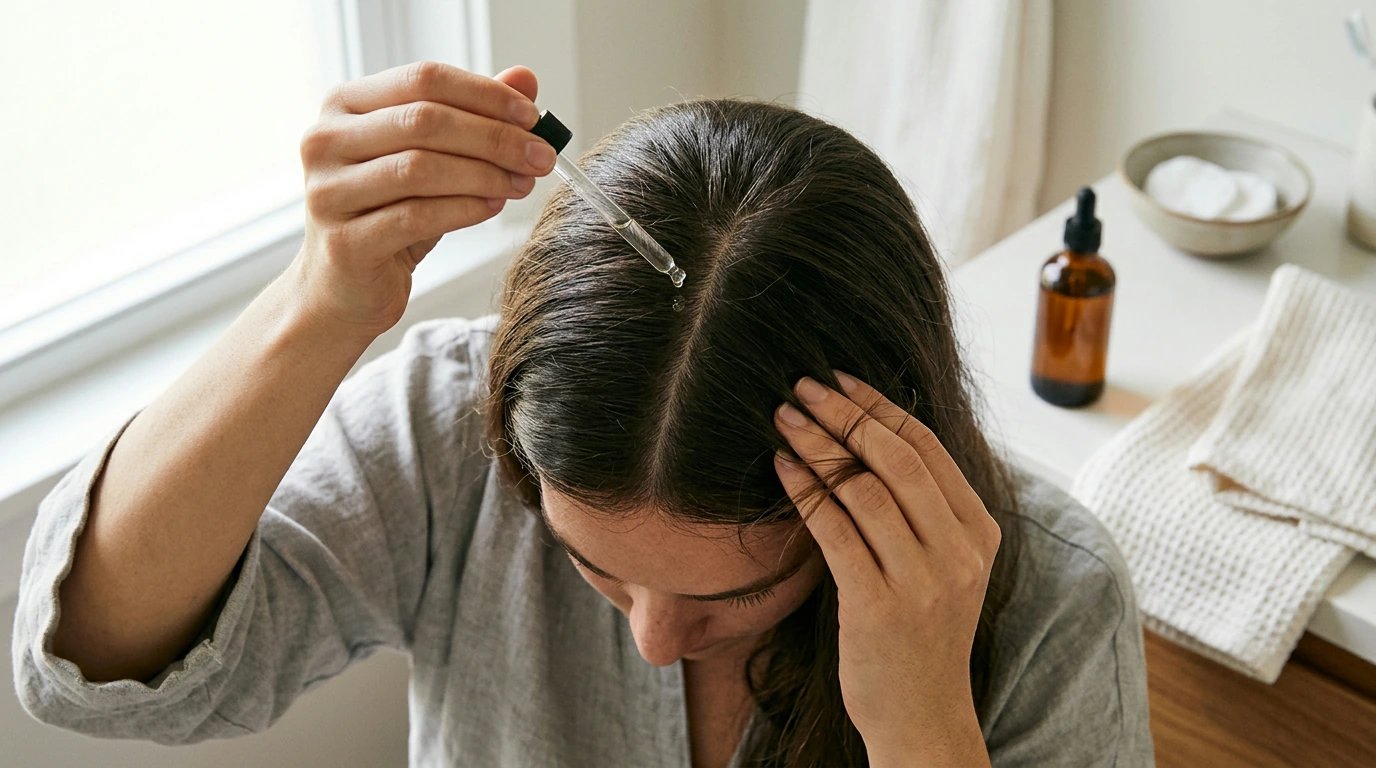
Grow Gorgeous: using essential oils for thicker-looking hair—without making it complicated
Thicker-looking hair starts with consistent scalp care, smart oil choices, and a routine that fits real life. Our team built this guide for anyone who wants to use essential oils thoughtfully—supporting a healthier scalp environment, reducing breakage, and encouraging fuller-looking growth over time—without turning the process into a complicated chemistry project.
If you’re also dealing with noticeable thinning, sudden shedding, scalp pain, or patchy loss, it’s worth checking the American Academy of Dermatology’s overview on when to see a dermatologist: https://www.aad.org/public/diseases/hair-loss.
What “regrowth” really looks like when you use essential oils
When you start an essential-oil routine, the earliest wins are usually about the scalp—not instant new strands. A calmer, more comfortable scalp can make hair feel better at the root and look less “flat” from irritation or excess oil swings.
- Start with scalp conditions first: less irritation, more balanced oil production, and improved comfort can change how dense hair appears.
- Expect gradual changes: shine, less breakage-related shedding, and stronger-feeling lengths often show up before visible fullness at the hairline.
- Separate shedding from breakage: oils can boost slip and reduce friction, which helps protect strands from snapping.
- Use essential oils as part of a system: gentle cleansing, consistent application, and massage matter as much as the oil you pick.
Essential oils that show up again and again in hair routines (and why)
Essential oils are highly concentrated. The goal isn’t to “do the most”—it’s to choose one or two oils you’ll actually use consistently, at a sensible dilution. For safety and best practices, the National Center for Complementary and Integrative Health is a solid reference: https://www.nccih.nih.gov/health/essential-oils.
- Rosemary essential oil: commonly used for scalp stimulation and a refreshed scalp feel; pairs well with a quick massage ritual.
- Peppermint essential oil: known for a cooling sensation; best kept at low dilution and skipped if your scalp is reactive.
- Lavender essential oil: popular for calming routines and scalp comfort; blends easily with most carrier oils.
- Tea tree essential oil: frequently chosen for oily scalp or buildup-prone routines; dilute carefully.
- Cedarwood essential oil: often used in blend recipes aimed at scalp balance and a cleaner-feeling root area.
Quick essential-oil blending cheat sheet (dilution + best pairing)
| Essential oil | Common routine goal | Suggested carrier oils | Beginner-friendly dilution |
|---|---|---|---|
| Rosemary | Scalp stimulation + thicker-looking roots | Jojoba, argan, grapeseed | 1% (about 6 drops per 1 oz / 30 ml carrier) |
| Peppermint | Fresh, cooling scalp feel | Jojoba, fractionated coconut | 0.5% (about 3 drops per 1 oz / 30 ml carrier) |
| Lavender | Scalp comfort + soothing routine | Sweet almond, jojoba, olive | 1% (about 6 drops per 1 oz / 30 ml carrier) |
| Tea tree | Buildup-prone or oily scalp support | Jojoba, grapeseed | 0.5–1% (3–6 drops per 1 oz / 30 ml carrier) |
| Cedarwood | Scalp balance + blend builder | Jojoba, castor (small amount), argan | 1% (about 6 drops per 1 oz / 30 ml carrier) |
A simple 3-step routine that stays consistent (the real secret)
Consistency beats complexity. If your routine is too fussy, it won’t happen on a busy week—so we recommend building something you can repeat.
Blend recipes that work with different scalp types
Safety and “non-negotiables” for essential oils on the scalp
What’s inside our Grow Gorgeous guide (and how to use it week by week)
If you want a clear plan you can repeat, our team created Grow Gorgeous: Unlocking the Power of Essential Oils for Hair Regrowth Guide – Natural Solutions for Thicker Hair. It’s designed to help you build a routine that’s structured, not overwhelming.
If you like routine-based guides, you may also want our skin support read: Skin Microbiome Balance: Prebiotics + Probiotics Routine – The Ultimate Guide for Radiant, Healthy Skin. A calm scalp often starts with the same basics as calm skin.
Pairing scalp care with skin-barrier basics for better comfort
More digital guides we keep on hand
- Unlock the Page: Your Simple Guide to Getting Motivated to Read More Books
- Zip It Up: The Ultimate Guide to Styling Your Zip-Up Hoodie Like a Pro
FAQ
How long does it take to see results from essential oils for hair regrowth?
Most people notice scalp comfort changes and less breakage first, while fuller-looking density typically requires consistent use for 6–12+ weeks. Choose one focus zone (hairline, part, or crown) and track monthly under the same lighting to spot gradual progress.
Can essential oils be applied directly to the scalp?
No—essential oils should be diluted in a carrier oil to lower the risk of irritation and sensitization. For beginners, 0.5–1% dilution is a practical starting range, and a 24-hour patch test helps you avoid unpleasant surprises.
Which carrier oil is best for a scalp oiling routine?
Jojoba works well for most scalps because it feels lightweight and rinses cleanly; grapeseed is a good pick if you run oily, and sweet almond can feel more comforting for dryness. If you want a thicker blend, add only a small amount of castor oil so wash-out stays manageable.









Leave a comment