2–3 Day Backpacking Packing List: Essential Gear
What are the essential items on a backpacking packing list for a 2-3 day trip?
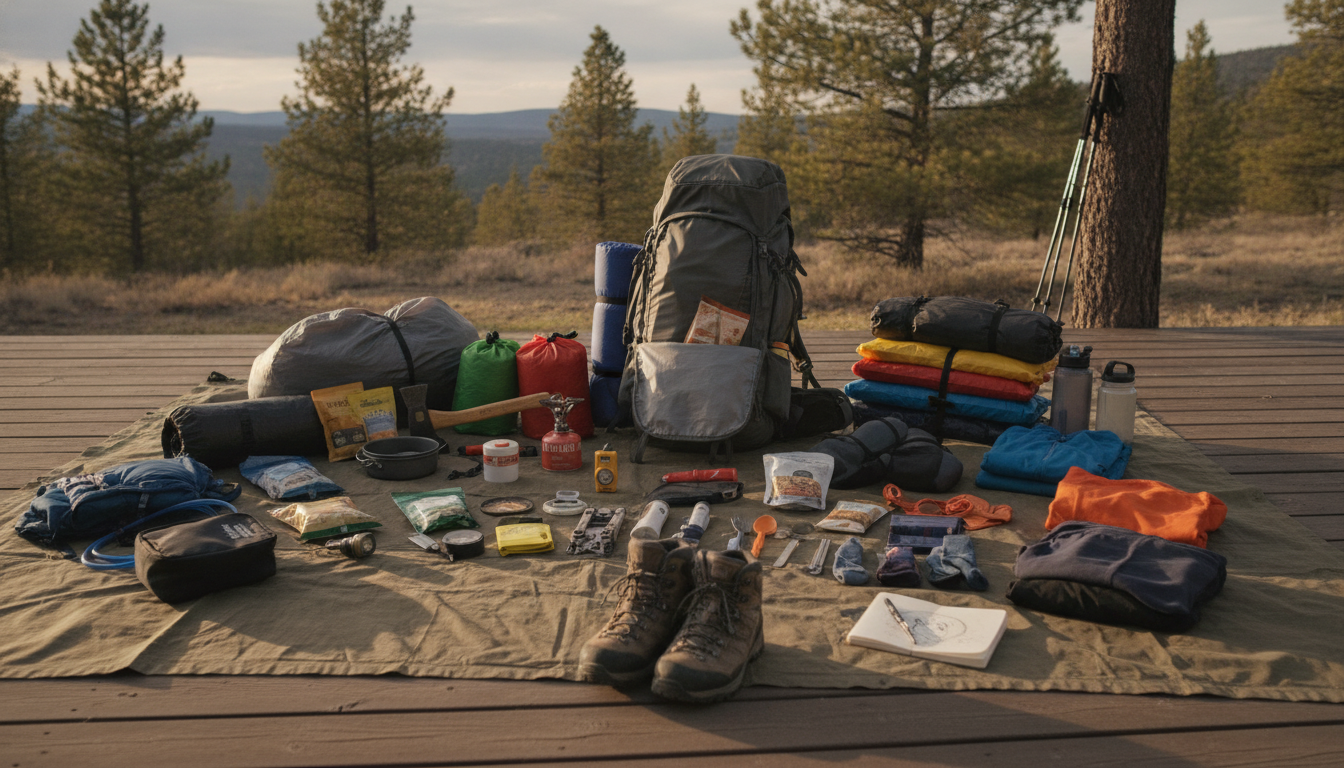
For a 2–3 day backpacking trip, the essentials come down to safety, shelter, sleep, water, food, navigation, and weather protection—without overpacking. Start with the “big three” (pack, shelter, sleep system), then build around the conditions and how remote the route is.
Core gear (the non-negotiables)
Backpack: A comfortable pack (often 40–60L) with a supportive hip belt and a rain cover or pack liner. Shelter: Lightweight tent, tarp, or hammock setup plus stakes/guylines. Sleep system: Sleeping bag or quilt rated for expected lows, plus a sleeping pad for insulation and comfort.
Clothing and weather layers
Pack quick-dry basics plus layers: moisture-wicking base layer, insulating mid-layer (fleece or puffy), and a waterproof/windproof shell. Add extra socks, a warm hat, and gloves if nights run cold. Keep a dedicated dry sleep set if conditions are wet or temperatures drop.
Water and hydration
Carry bottles or a hydration reservoir and bring a reliable water treatment method (filter, purifier, or tablets). Plan capacity based on water sources—many hikers carry 2–3 liters total, then refill as needed.
Food, cooking, and storage
Bring calorie-dense meals and snacks for 2–3 days plus a little extra. A small stove and fuel, lighter/matches, a pot, and a spoon cover most needs. In bear country, add a bear canister or approved hang system.
Navigation, light, first aid, and repairs
Carry a map and compass (and/or GPS/phone with offline maps), a headlamp with extra battery, a compact first-aid kit, and a simple repair kit (duct tape, needle/thread, patch kit, multi-tool).
Personal items and hygiene
Pack sunscreen, insect repellent, lip balm, toiletries, a trowel and toilet paper/wipes, hand sanitizer, and a small trash bag. Trekking poles are optional but helpful for stability and knees.
For a printable, more detailed checklist you can tailor to season and terrain, visit this backpacking gear checklist guide.
FAQ
How do I keep my pack weight down for a short backpacking trip?
Prioritize the big three (pack, shelter, sleep) and skip duplicates. Choose calorie-dense foods, minimize “just in case” extras, and bring only the layers needed for the forecast and nighttime lows.









Leave a comment