What to Put on Fabric to Make It Waterproof
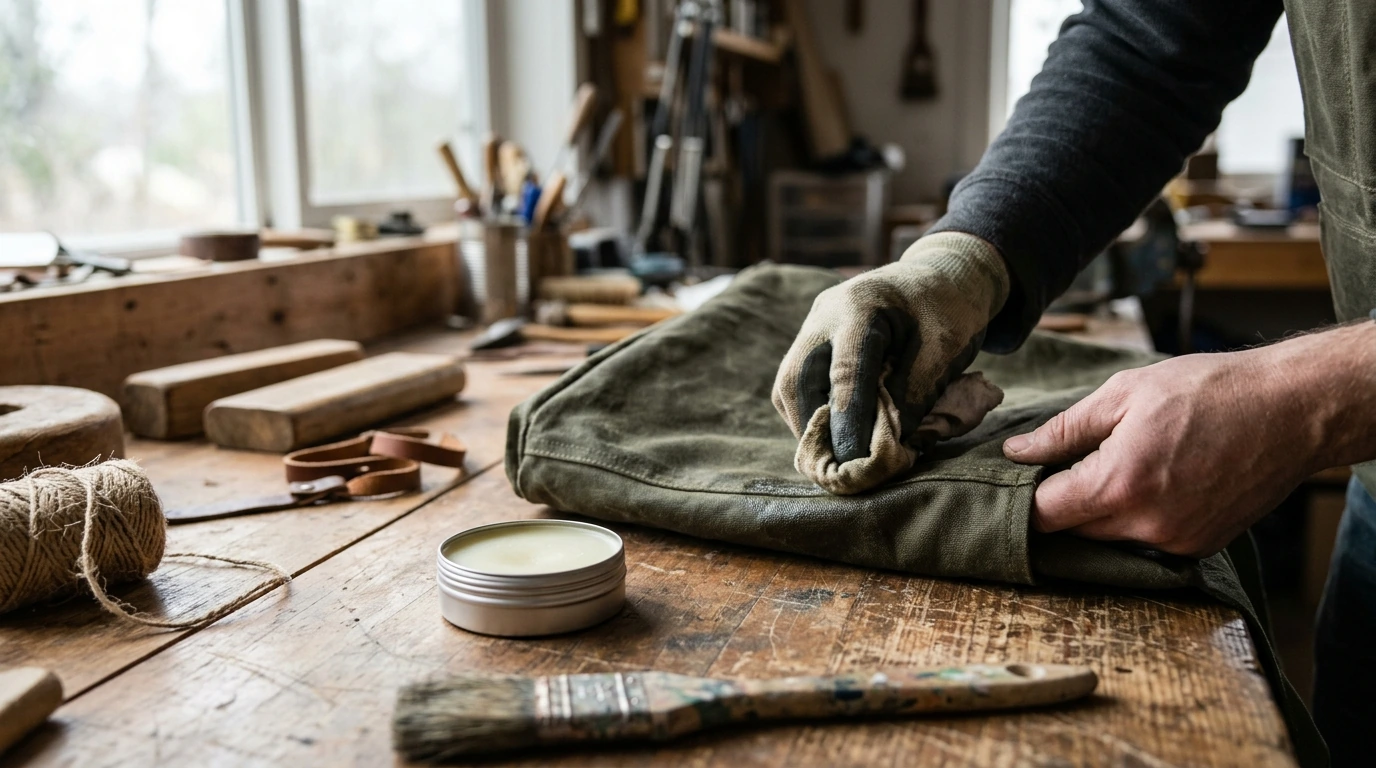
Is there something you can put on fabric to make it waterproof?
Yes—there are several coatings and treatments you can apply to fabric to make it waterproof or far more water-resistant. What you choose depends on the fabric type, how flexible you need it to stay, and whether you’re trying to repel brief rain or block steady water pressure.
Best options you can apply to fabric
1) Wax treatments (great for canvas and natural fibers)
Wax is a classic way to waterproof cotton canvas, denim, and other tightly woven natural fabrics. You rub the wax on, then use gentle heat to melt it into the fibers. This creates a durable, water-shedding barrier, but it can slightly stiffen fabric and darken the color.
2) Spray-on DWR (easy refresh for outdoor gear)
DWR (durable water repellent) sprays or wash-in treatments are popular for jackets, backpacks, and performance fabrics. They help water bead up and roll off, but they don’t usually make a fabric fully waterproof on their own—especially if seams and stitch holes are still exposed.
3) Seam sealing (the difference between “repellent” and “waterproof”)
If your project has seams, water can sneak in through needle holes even when the fabric is treated. Seam sealer (liquid or tape, depending on the material) is what turns many “water-resistant” builds into genuinely waterproof ones. Our team typically treats fabric first and seals seams second for the most reliable results.
4) Waterproof coating (maximum barrier, less breathability)
For strong water blocking, you can apply brush-on or spray-on coatings designed for fabric (often urethane-based). These can handle heavier exposure, but they may reduce breathability and change the hand feel. They’re best for items like tote bags, covers, or utility projects where airflow isn’t the priority.
How to choose the right approach
Start by matching the treatment to the fabric: wax for natural fibers, DWR for many technical textiles, and coatings when you need a tougher barrier. Then account for construction details—seams, zippers, and high-wear spots are where leaks usually start. For a step-by-step checklist (including waxing, DWR, and seam sealing), use our complete guide: https://candorale.com/guide-diy-fabric-waterproofing-checklist-wax-dwr-seams/.
FAQ
How do you waterproof fabric seams?
Use a seam sealer that matches your material, applying it along stitching lines on the side where water will pool or press most. Let it cure fully before exposing the item to moisture.









Leave a comment