Ebony Leather Rocking Chair: Solid Wood or Veneer?
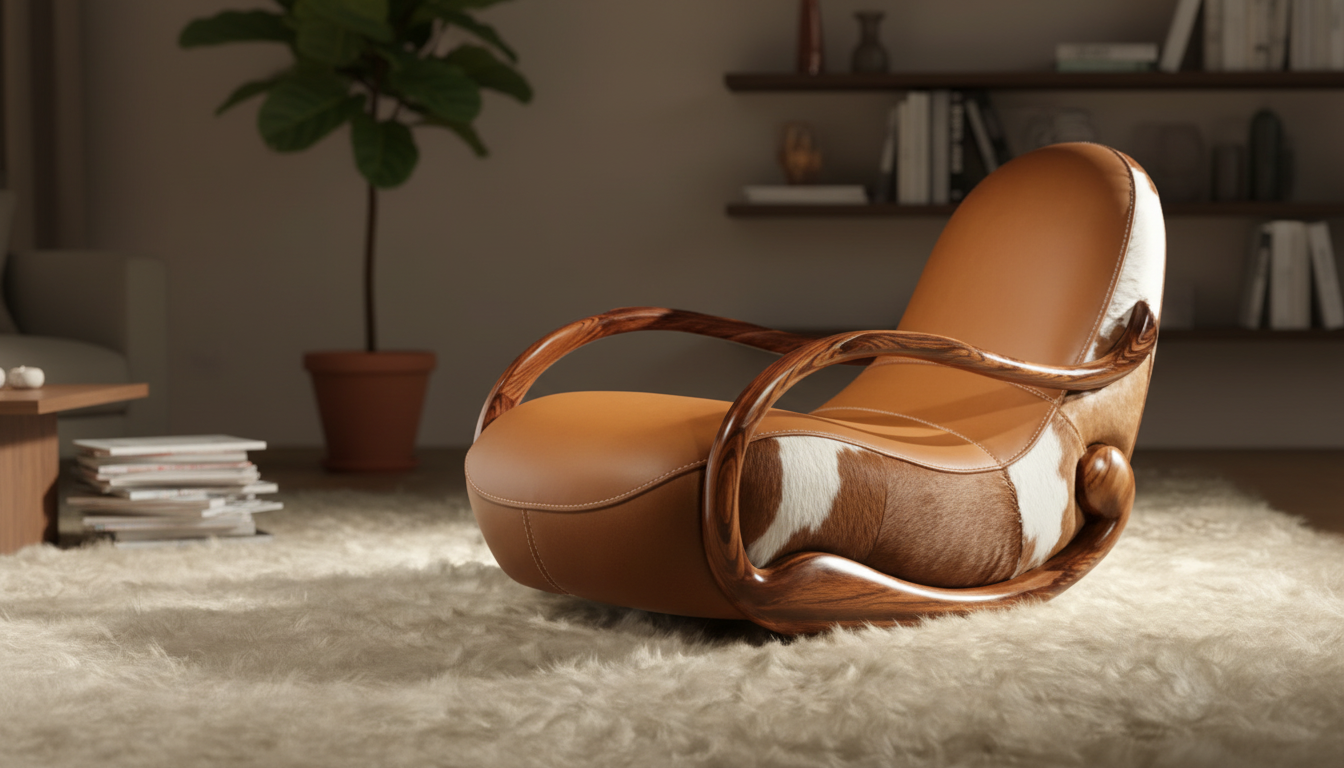
Is an ebony leather rocking chair real wood or wood veneer?
It can be either—“ebony” often describes the color and overall look, not a guarantee that the chair is made from solid ebony wood. Many ebony leather rocking chairs on the market use a solid hardwood frame (such as oak, ash, rubberwood, or beech) finished in an ebony stain, while some use engineered wood components with an ebony-toned veneer for visible surfaces.
How to tell which you’re getting
Start with the product specs. Listings that say “solid wood frame” or name a species (for example, “solid beech” or “solid oak”) are typically real wood. If you see terms like “MDF,” “plywood,” “engineered wood,” “rubberwood with veneer,” or “wood veneer,” the chair includes veneered or composite parts—often on broad, flat panels where veneer performs well and helps control movement over time.
What’s most common for rocking chairs
Because rockers rely on strength at the joints and runners, manufacturers frequently use solid wood for the structural pieces (legs, rails, rockers) even when other areas may be veneered. An “ebony” finish is usually a dark stain or paint applied over that base material, paired with ebony or black leather upholstery for a cohesive look.
Does veneer mean “lower quality”?
Not automatically. A well-made veneer over stable engineered wood can resist warping and keep a smooth, consistent appearance. What matters more is joinery, weight rating, the quality of the finish, and how the leather is upholstered (full-grain vs. top-grain vs. bonded leather).
For a deeper look at materials, styling, and what to check before buying, see the full guide: Ebony Leather Rocking Chair: Quiet Luxury & Comfort.
For Ebony Leather Rocking Chair: Solid Wood or Veneer?, the best answer depends on fit, material, care instructions, and how the product will be used day to day.
FAQ
How do I care for an ebony leather rocking chair?
Dust the wood with a soft cloth and use a leather cleaner/conditioner made for finished leather. Keep the chair out of direct sun and away from heat sources to reduce fading and drying.




Leave a comment