Clean a Wood Table Safely: Protect the Finish
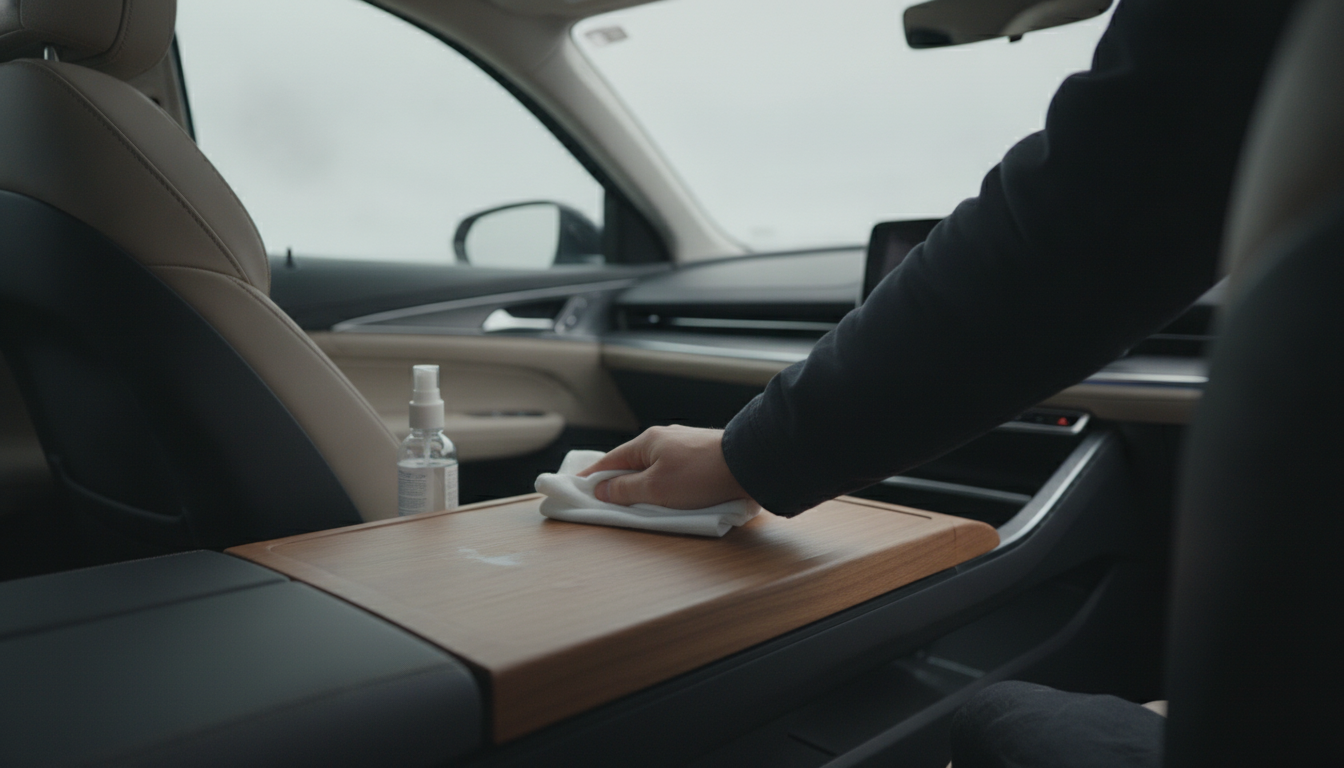
How to clean a wood table without damaging the finish?
Keeping a wood table looking great comes down to gentle, low-moisture cleaning and avoiding harsh chemicals that can dull, haze, or lift the finish. A simple routine done consistently works better than occasional “deep cleans” with strong products.
1) Start with dry dusting (it matters)
Use a soft microfiber cloth to remove dust and grit first. Tiny particles can act like sandpaper when you wipe with moisture, leading to fine scratches and a cloudy look over time.
2) Use a barely damp cloth for everyday wipe-downs
Lightly dampen a microfiber cloth with water, then wring it out well so it’s just slightly moist. Wipe with the grain and avoid letting water sit. Immediately follow with a second dry cloth to buff and remove any remaining moisture.
3) For fingerprints or light grease, add a drop of mild soap
If plain water isn’t enough, mix a small amount of gentle dish soap into a bowl of warm water (think: a drop or two, not sudsy). Dip the cloth, wring it nearly dry, wipe the area, then wipe again with a clean damp cloth (water only) to remove soap residue. Dry and buff right away.
4) Skip products that commonly damage finishes
Avoid abrasive powders, scouring pads, straight vinegar, ammonia-based cleaners, and alcohol-heavy sprays unless the finish type is confirmed safe. Also be cautious with silicone-heavy polishes that can leave buildup and make future refinishing difficult.
5) Spot-test and protect high-use areas
Before using any new cleaner, test it on an inconspicuous spot. Use coasters, placemats, and trivets to prevent heat rings and water marks, and wipe spills promptly to keep moisture from creeping into seams.
For more detailed steps, finish-safe product guidance, and troubleshooting common marks, visit https://candorale.com/how-to-clean-a-wood-table-without-damaging-the-finish/.
FAQ
How do you remove water rings from a wood table?
Try gentle heat with a hair dryer on low, moving constantly, then buff with a clean microfiber cloth. If the mark persists, use a finish-safe method matched to your table’s finish type and test first in a hidden area.









Leave a comment