Travel Emergencies: Calm Steps for Any Surprise
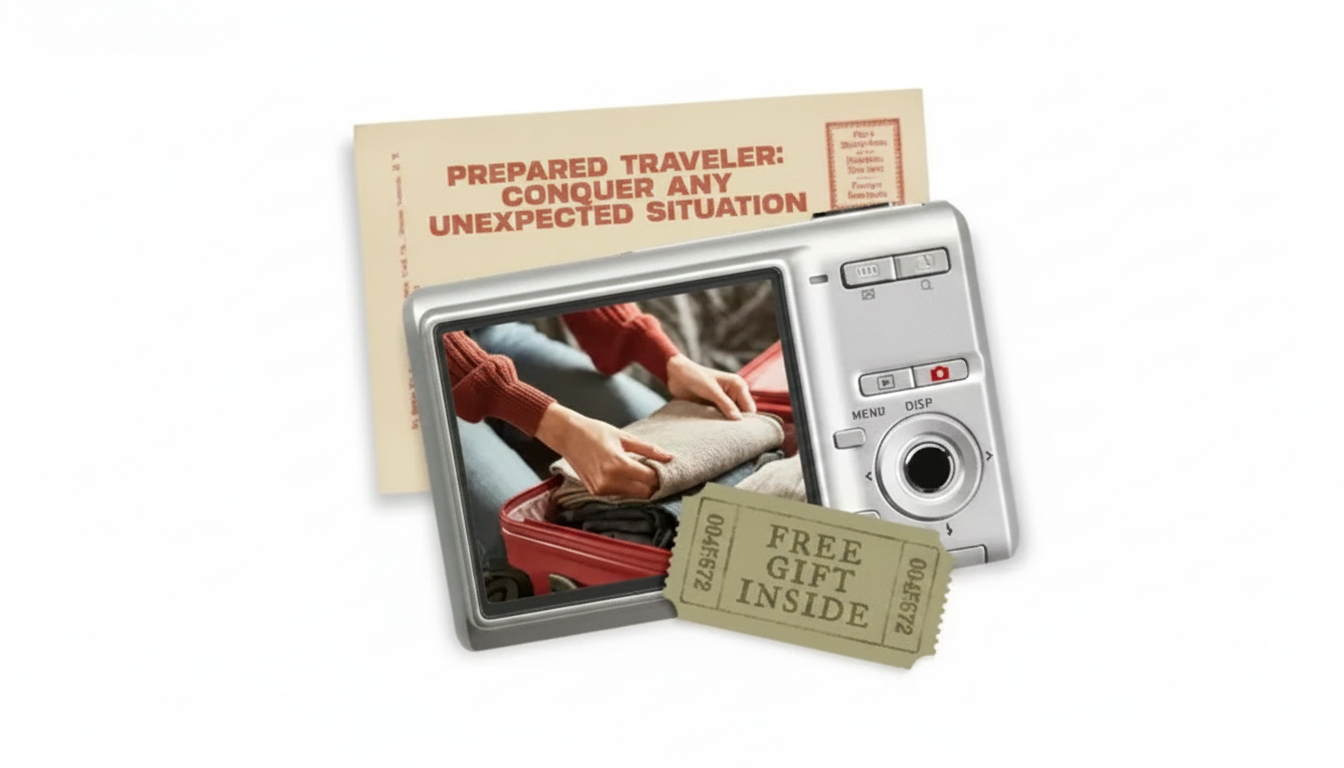
Prepared Traveler: Handling Travel Emergencies with Calm, Clear Steps
Travel disruptions rarely announce themselves—an injury on a hike, a stolen phone, a missed connection, or a sudden storm can turn a simple trip into a high-stress situation. A prepared traveler reduces risk by planning key details before departure, packing a few essentials, and knowing what to do in the first 30 minutes of an emergency so decisions stay practical instead of reactive.
The First 30 Minutes: A Simple Emergency Decision Flow
When something goes wrong, the goal is to create a little structure. Use this quick flow to move from panic to control.
- Check immediate safety: Move away from danger (traffic, unstable structures, crowds), assess injuries, and get to a well-lit public place.
- Get help fast when needed: Call the local emergency number; ask hotel staff, transit employees, or nearby businesses for assistance if language barriers exist.
- Stabilize essentials: Confirm passports, cards, medications, and phone (or backup) are secure; if anything is missing, start a quick inventory.
- Document early: Take photos of damage, injuries, receipts, and any official reports; write down names, badge numbers, and locations.
- Communicate clearly: Message one trusted contact with where you are, what happened, and what help is needed (money transfer, calls, translation).
Emergency Info to Store Before Departure (Digital + Paper Backup)
| Item | Where to store it | Why it matters |
|---|---|---|
| Local emergency number + country code | Phone notes + wallet card | Saves time when stress is high |
| Embassy/consulate contact | Printed page + cloud folder | Fast support for lost passport or legal issues |
| Travel insurance policy + hotline | Email + offline PDF | Speeds approvals for care, evacuation, claims |
| Medical info (allergies, conditions, prescriptions) | Wallet card + phone medical ID | Helps clinicians treat safely |
| Bank card issuer numbers + card freeze steps | Secure password manager + paper backup | Stops fraud quickly if wallet is lost |
| Itinerary + lodging details | Shared calendar + printed copy | Keeps plans intact when devices fail |
Pre-Trip Setup That Prevents Most Emergencies from Escalating
Most “emergencies” become manageable when the boring setup is already done. These steps reduce the chance that one mistake (or one lost item) derails your entire trip.
- Share a trip snapshot: Send a trusted contact your itinerary, lodging addresses, flight numbers, and a securely stored passport/ID photo.
- Enable device protections: Use a strong passcode, biometric lock, SIM PIN, and “Find My Device” features; save recovery codes before you leave.
- Build a small financial safety net: Carry two payment methods stored separately, plus modest local cash for transport and food.
- Know the basics of the destination: Common scams, neighborhood safety, weather risks, and local customs can prevent conflict and bad choices.
- Confirm insurance coverage: Check medical care abroad, emergency evacuation, trip interruption, and device coverage if it matters for your travel style.
For travelers who prefer having a structured, ready-to-follow plan (especially when you’re tired, jet-lagged, or stressed), keep a compact reference you can open quickly: Prepared Traveler: Conquer Any Unexpected Situation – Your Ultimate Guide to Handling Travel Emergencies.
Emergency Essentials to Pack Without Overpacking
Packing for every scenario is impossible. Packing for the first few hours is realistic—and that’s often what matters most.
- Core mini-kit: Basic first aid supplies, blister care, antiseptic wipes, a few bandages, and personal medications (original packaging when possible).
- Power and connectivity: Compact power bank, charging cable, and a backup way to access accounts (printed recovery codes sealed in an envelope).
- Copies and backups: Printed copies of passport ID page, visa, insurance card, and key addresses; keep originals and copies separate.
- Safety and comfort: Small flashlight, whistle, and an extra layer or compact rain shell—especially for road trips and outdoor travel.
- Food/water contingencies: A snack and refillable bottle; for remote areas, consider purification tablets where appropriate.
Medical Issues Abroad: Getting the Right Care Quickly
When health is involved, speed and clarity beat guesswork. If you’re unsure, err on the side of professional help.
Authoritative travel health guidance is available via CDC Travelers’ Health, and for basic response steps, the American Red Cross is a strong reference.
Lost Passport, Stolen Phone, or Missing Luggage: A Practical Recovery Plan
For destination-specific updates and embassy contacts, rely on official sources like the U.S. Department of State – International Travel.
Weather, Natural Disasters, and Civil Disruptions
Staying Calm Under Pressure: Simple Techniques That Improve Decisions
A Ready-to-Use Resource for Real-World Scenarios
When your brain is overloaded, step-by-step guidance can be the difference between a fast recovery and hours of confusion. Prepared Traveler: Conquer Any Unexpected Situation is designed for quick reference across common travel emergencies—so you can build a simple personal plan (contacts, document backups, packing essentials, and scenario checklists) and keep it accessible offline.
If delays or disruptions leave you stuck in terminals, buses, or hotel rooms, having a simple digital download you can read anytime can help you stay grounded and productive: Unlock the Page: Your Simple Guide to Getting Motivated to Read More Books.
FAQ
What should be done first if a phone is stolen while traveling?
Lock and locate the device as soon as possible, then change the password for your primary email first. Suspend your SIM/service with the carrier, use remote wipe if needed, and document the theft for insurance or police reporting requirements.
How can travel emergencies be prevented without packing a lot of gear?
Prioritize information backups, account security, and separating essentials (cards, ID copies, and cash) rather than bringing bulky equipment. A compact first-aid and power setup covers many common situations without adding much weight.
What documents should be copied before an international trip?
Copy your passport ID page, visa/entry documents, insurance details, itinerary and lodging confirmations, and payment card issuer contacts. Store them securely in the cloud and keep a printed backup separate from the originals.







Leave a comment