Tea Tree Oil for Skin: Safe Dilution & Spot-Treatment Guide
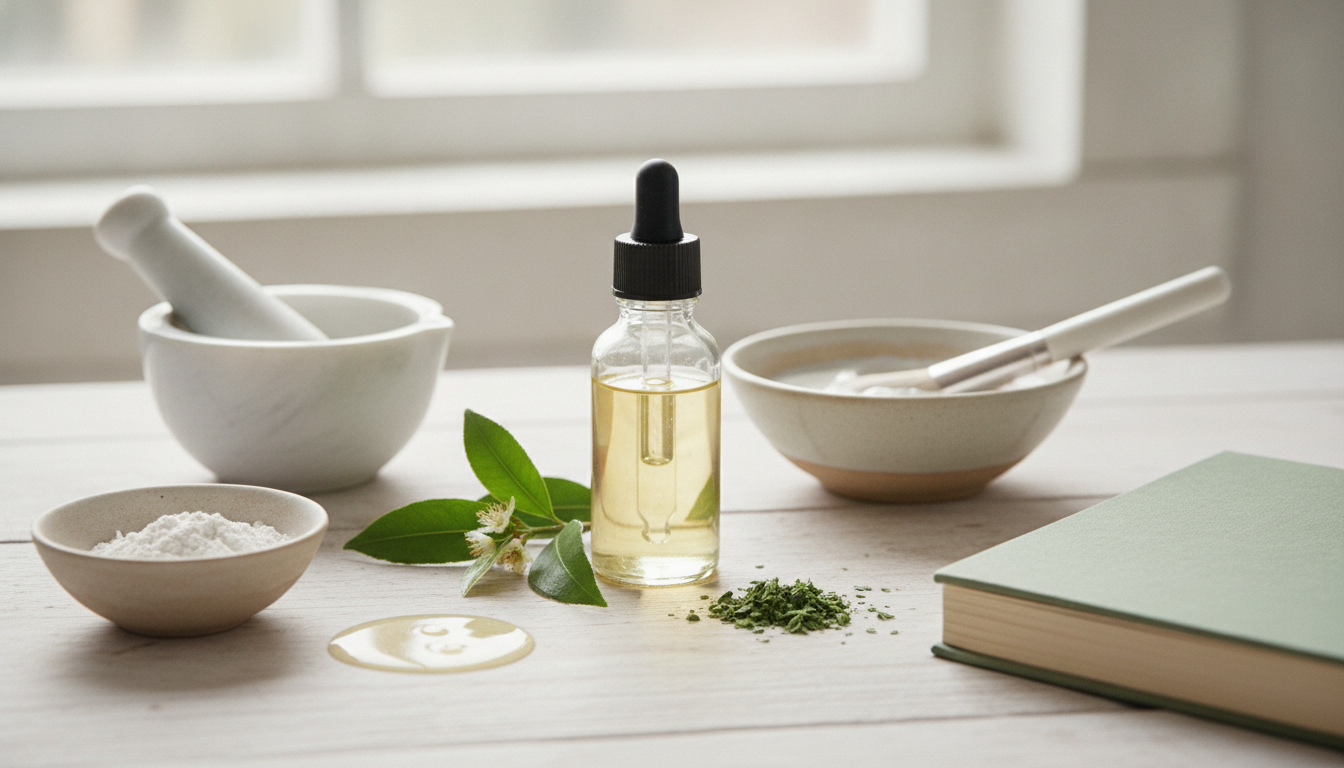
Tea Tree Oil Uncovered: A Practical Guide to Clear, Healthy Skin
Tea tree oil is a concentrated essential oil known for its antimicrobial and anti-inflammatory potential—yet it can also irritate skin when used incorrectly. This guide breaks down what tea tree oil can (and can’t) do for common skin concerns, how to dilute it safely, and how to build a simple routine that supports clearer, calmer-looking skin without over-stripping or triggering sensitivity.
What Tea Tree Oil Is—and Why Skin Responds to It
Tea tree oil comes from the leaves of Melaleuca alternifolia and is typically used topically only after dilution. In skincare, it’s valued for properties that can be helpful in blemish-prone areas—especially its antimicrobial activity and its potential to reduce the look of redness around occasional breakouts.
The tricky part is potency. Essential oils contain many active compounds, and “strong” doesn’t always mean “better.” Using tea tree oil undiluted increases the risk of irritation and allergic contact dermatitis, particularly on the face where skin is thinner and more reactive. For most skin types, it’s best used as a targeted spot treatment or on small areas instead of being applied all over the face.
What It Can Help With (and Where Expectations Go Wrong)
Blemish-prone skin
When properly diluted and used consistently, tea tree oil may help reduce the appearance of inflamed breakouts. Results are usually gradual—think calmer-looking spots over time rather than an overnight “reset.”
Oily shine
Tea tree oil can support a fresher look for oily-feeling areas, but it won’t “shrink pores” or permanently change how much oil your skin produces. Overdoing it can backfire by drying the skin, which may make it feel tighter and look shinier later.
Body concerns (back/chest)
Back or chest blemishes and follicle-related bumps can respond well to carefully diluted tea tree oil because body skin is often more tolerant than facial skin. Still, irritation can happen—especially if used daily at too high a concentration.
Scalp-to-skin overlap
Tea tree oil is common in dandruff-focused products, but facial skin is often more reactive than the scalp. If you tolerate a tea tree shampoo, that doesn’t automatically mean your cheeks will tolerate a concentrated oil.
Common myths to skip: “natural means non-irritating,” “more is better,” and “apply neat for faster results.” For safety guidance, see the American Academy of Dermatology’s overview on essential oils and skin safety.
Safety First: Patch Testing, Dilution, and When to Skip It
How to patch test
Mix tea tree oil into a carrier first, then apply a small amount to the inner forearm. Leave it on and monitor for 24–48 hours. Burning, itching, rash, or swelling is a sign to avoid using it on the face.
Non-negotiables
- Never apply undiluted tea tree oil to the face or broken skin.
- Avoid eyes, lips, and mucous membranes.
- Skip use during eczema flares or when the barrier is impaired (raw, peeling, sunburned).
- If there’s a history of fragrance/essential-oil sensitivity, proceed with extra caution or avoid entirely.
Pregnancy/breastfeeding and children require added caution—consult a clinician first. If persistent stinging, welts, or worsening redness occurs, stop immediately. For more on irritation and rash patterns, the Mayo Clinic’s guide to contact dermatitis is a helpful reference.
Dilution Guide: How Much Is Enough for Real-World Use
| Use case | Approx. concentration | Tea tree oil amount | Carrier amount | How often to start |
|---|---|---|---|---|
| Facial spot treatment (sensitive-prone) | 0.5% | 1 drop | 2 tsp (10 mL) carrier | 2–3 nights/week |
| Facial spot treatment (tolerant skin) | 1% | 1 drop | 1 tsp (5 mL) carrier | Every other night |
| Body blemish areas (back/chest) | 2% | 2 drops | 1 tsp (5 mL) carrier | Daily if tolerated |
| Short-contact wash-off blend (mixed into cleanser in palm) | Very low, occasional | 1 drop | Single palmful cleanser | 1–2x/week |
Routine Ideas: Using Tea Tree Oil Without Damaging the Skin Barrier
A simple spot-treatment flow
Don’t stack irritants early on
For a step-by-step routine that keeps dilution, frequency, and barrier support organized, consider Tea Tree Oil Uncovered: Your Ultimate Guide to Clear, Healthy Skin (digital download). If your focus is long-term calmness and resilience, Skin Microbiome Balance: Prebiotics + Probiotics Routine – The Ultimate Guide for Radiant, Healthy Skin pairs well with a “less but better” approach.
Picking a Quality Tea Tree Oil Product (and Storing It Well)
Store tea tree oil in a cool, dark place with the lid closed snugly. If the scent becomes unusually harsh or “off,” or the oil looks cloudy/altered, replacing it can reduce the chance of irritation. Pre-diluted options can be convenient for beginners, but patch testing still matters. For broader safety notes, the National Center for Complementary and Integrative Health (NCCIH) summary on tea tree oil offers a practical overview.
When to Seek Professional Help
FAQ
Can tea tree oil be applied directly to the skin?
It’s best not to use tea tree oil undiluted, especially on the face. Undiluted use increases the risk of irritation and allergic reactions, so start with a low dilution and patch test first.
How long does it take for tea tree oil to help with breakouts?
Changes are usually gradual and may take several weeks of consistent, gentle use. If you notice stinging, peeling, or increasing redness, scale back frequency or stop rather than trying to “push through.”
What should tea tree oil not be mixed with in a skincare routine?
Avoid layering it on the same night with strong acids (AHA/BHA), benzoyl peroxide, or retinoids until your skin clearly tolerates it. Alternating nights and prioritizing moisturizer support can reduce the risk of irritation.










Leave a comment