Framed to Flaunt: Style Fashion Glasses With Confidence
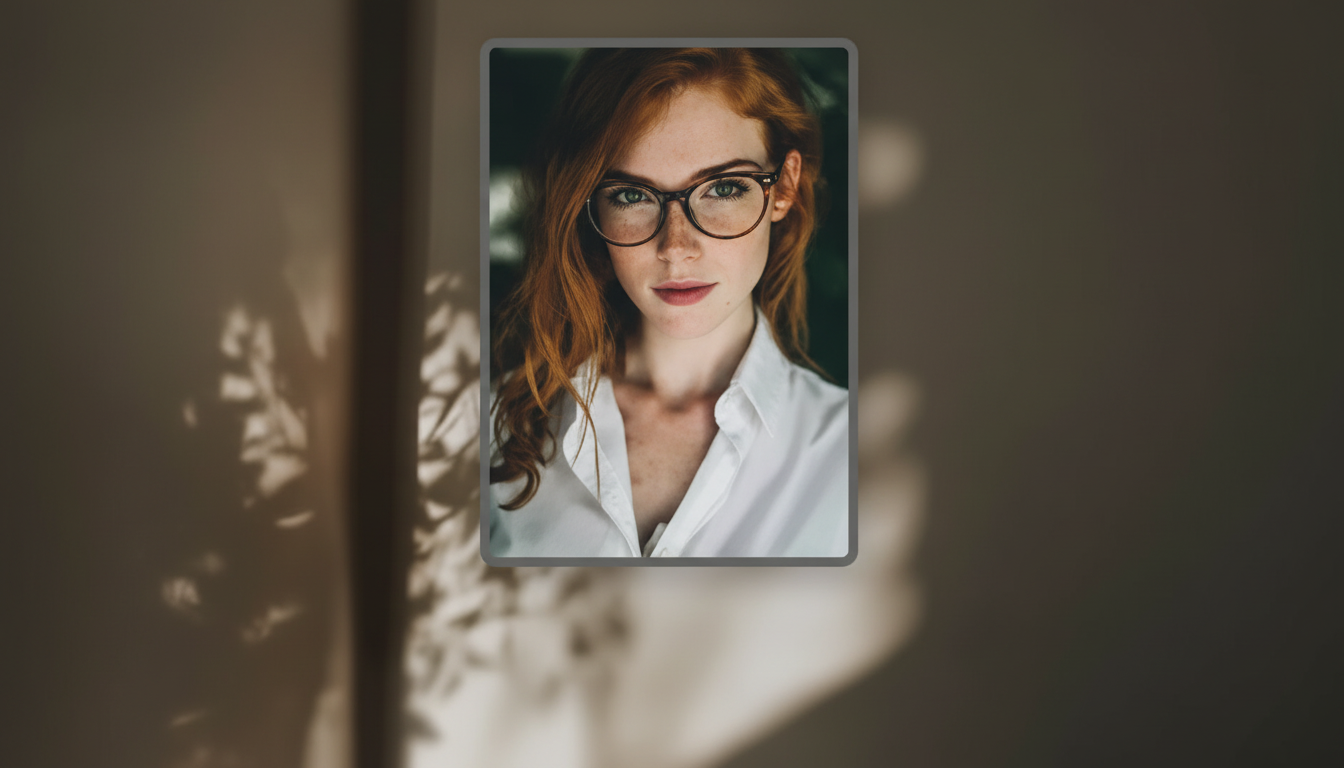
Framed to Flaunt: A Stylish Guide to Choosing and Wearing Fashion Glasses with Confidence
Fashion glasses can sharpen an outfit, soften features, and signal personal style in a single detail. The right frames create instant intention—like a great belt or a favorite pair of boots—only they sit where people look first. Below is a practical, style-forward way to choose frames that flatter your face, coordinate with your wardrobe, and feel comfortable enough to wear all day.
Why Fashion Glasses Change an Outfit Instantly
Frames work like wearable styling. They add structure near the face, which naturally becomes the focal point in conversation and in photos. A single pair can shift the vibe from relaxed to polished, creative, retro, minimalist, or edgy without changing anything else.
They also create visual balance with hair, brows, and accessories. When the proportions feel right, your whole outfit reads as “finished.” Treat frames like you would shoes or a bag: a repeatable signature pair can simplify getting dressed on busy mornings, while a second bold option can carry you through nights out and special occasions.
Find the Right Frame Shape for Your Features
Start with shape and proportion, not trends. Contrast usually looks intentional: rounder faces often pair well with angular frames (rectangle or square) for definition, while square faces tend to look balanced with curved shapes (oval or round) to soften strong angles. Oval faces can wear most styles—focus on scale so the frame doesn’t look oversized or too tall.
Heart-shaped faces often suit lighter-looking frames (thin metal, rimless, or bottom-weighted styles). And don’t skip the practical check: frames should sit comfortably without resting on your cheeks when you smile.
Quick Frame Match Guide
| Feature to Consider | What Often Works Well | What to Watch For |
|---|---|---|
| Rounder face shape | Rectangular or geometric frames | Very small round frames that emphasize fullness |
| Sharper jawline | Oval or round frames | Overly boxy frames that add heaviness |
| High cheekbones | Slight cat-eye or upswept corners | Frames that sit on cheeks when smiling |
| Soft, low-contrast features | Medium-to-bold frame thickness | Ultra-thin frames that disappear on the face |
| Strong brows | Browline or slightly thinner top rim | Thick top rim that competes with brows |
Color, Finish, and Material: Pick What Complements Your Palette
Once the shape is close, color does the styling heavy lifting. Match undertone first: warm undertones often pair well with tortoise, honey, amber, and gold hardware; cool undertones tend to look crisp with black, silver, gray, clear, and smoky tones. If you’re unsure, hold up gold and silver jewelry—whichever looks more harmonious on your skin is a helpful clue.
Use contrast on purpose. Bold black frames create a graphic look that can “anchor” a simple outfit. Translucent frames feel lighter and modern—especially flattering when you want the glasses to add polish without dominating your features. Hair color matters too: high-contrast frames can look striking (dark frames with light hair, or vice versa), while tonal frames blend for an effortless feel.
Material sets the mood: metal frames read sleek and refined; acetate frames read expressive and fashion-forward. Glossy finishes feel sharper and dressier; matte finishes lean understated and contemporary.
Fit and Comfort Essentials (So They Look Good All Day)
Even the most stylish frames won’t look “expensive” if they’re sliding down your nose or leaving marks. The bridge is the first checkpoint: frames should feel secure without pinching. Slipping often means the bridge width is off or the nose pads need adjustment. (Many optical shops can adjust fit quickly; the American Academy of Ophthalmology also shares general guidance on eyeglasses basics and fit.)
Next, check temple length. Arms should rest comfortably behind your ears without pressure points. In the mirror, aim for balanced proportions: eyes centered horizontally in each lens generally looks most harmonious. If frames touch your cheeks when smiling, try a higher bridge, adjustable nose pads, or a slightly smaller lens height. For long wear, lighter materials and well-adjusted nose pads reduce fatigue and help your glasses stay put through the day.
Outfit Pairing Formulas: Make Frames Look Intentional
Styling With Hair, Makeup, and Accessories
For makeup, aim for balance: bold frames often look best with simpler eye makeup and a defined lip, while subtle frames can handle a stronger eye look. If you’re experimenting, beauty editors often recommend adjusting emphasis rather than adding more—see glasses-friendly makeup tips from Allure.
Confidence Moves: Wearing Bold Frames Without Overthinking
Digital Style Guide: What’s Inside “Framed to Flaunt”
If you want a simple system you can revisit anytime, Framed to Flaunt: Your Stylish Guide to Fashion Glasses (Digital Download) focuses on choosing frames, styling outfits around them, and building a repeatable glasses-based style identity. It’s designed for quick wins—actionable checklists, wearable ideas, and confidence-boosting styling approaches that translate to everyday outfits and special occasions.
More Digital Guides You Might Like
- Zip It Up: The Ultimate Guide to Styling Your Zip-Up Hoodie Like a Pro
- Unlock the Page: Your Simple Guide to Getting Motivated to Read More Books
FAQ
How can fashion glasses look expensive even on a budget?
Prioritize fit first: no sliding, no pinching, and lenses centered for balance. Choose a classic shape with a clean finish, avoid flimsy hinges, and coordinate your frames with one polished accessory like a watch or simple hardware.
What frame shape is most versatile for everyday outfits?
Medium-width rectangles, soft squares, and subtle cat-eye shapes tend to pair well with both casual and dressier looks. The most versatile choice is the one that matches your proportions and feels comfortable for long wear.
How do you stop glasses from overpowering your face?
Reduce visual weight with thinner rims or translucent colors, and keep eyebrows visible rather than hidden behind a heavy top rim. Simplify other accessories and choose a frame width that closely aligns with the widest part of your face.





Leave a comment