Minimalist Shelf Styling for Modern Interiors: A Simple Formula
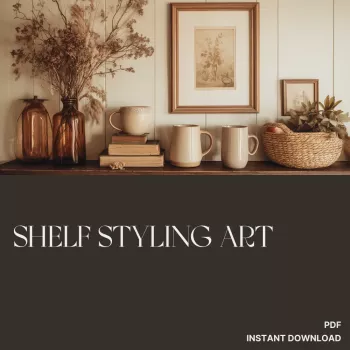
The Art of Shelf Styling: Minimalist Shelf Design for Modern Interiors
Shelf styling is equal parts composition and restraint: shaping everyday objects into a calm, functional display that supports how a space is used. A minimalist approach relies on intentional editing, balanced proportions, and repeatable rules—so shelves look curated without feeling staged. The steps below focus on modern interiors, where clean lines, negative space, and thoughtful organization do the heavy lifting.
Start with the Shelf, Not the Stuff
Minimalist shelf styling gets easier when the shelf itself sets the rules. Before choosing objects, decide what the shelf needs to do and what “calm” looks like in that room.
- Define the shelf’s job: display, storage, or a blend; this determines how much “air” (empty space) is needed.
- Assess lighting and sightlines: shelves at eye level read as decor; higher shelves read as architecture and need fewer small items.
- Choose a consistent backdrop: neutral wall color, even spacing, and a limited mix of materials helps the styling feel modern.
- Reset before styling: clear everything off, wipe surfaces, and remove dust jackets, stray cords, and mismatched packaging.
If you want a guided reset you can follow room-by-room, The Art of Shelf Styling digital home decor guide is designed to streamline decisions with simple formulas and examples.
Minimalist Building Blocks: Shapes, Heights, and Negative Space
Modern shelves look intentional when they’re built from a few repeatable elements. Think in silhouettes first, then in color.
- Use three core shapes: vertical (vases, frames), horizontal (books, trays), and organic (plants, sculptural objects) for contrast without clutter.
- Create a height rhythm: one tall anchor per shelf section, a mid-height cluster, and a low “rest” zone.
- Protect negative space: leave at least 20–40% of each shelf visually open to keep the arrangement calm.
- Repeat materials to unify: for example, matte ceramic + warm wood + black metal, repeated 2–3 times across the unit.
- Avoid micro-items: tiny decor disperses attention; group small pieces on a tray or in a shallow bowl.
For more modern styling references and room inspiration, browse curated examples from Architectural Digest or project photos on Houzz to see how negative space and repetition create that “quiet” look.
A Simple Shelf Styling Formula That Works in Any Room
When shelves feel scattered, a reliable sequence prevents overfilling. Use this as a repeatable checklist across a bookcase, built-ins, or floating shelves.
- Step 1: Place anchors first (one per section): a large framed print, tall vase, or lidded basket.
- Step 2: Add book structure: stack horizontally for platforms and place a few vertical spines for height.
- Step 3: Build clusters of 2–5 items: vary height and texture; keep color tones consistent.
- Step 4: Add one organic element: plant, branch, or natural stone for softness against straight lines.
- Step 5: Edit for breathing room: remove one item from any spot that feels busy; modern styling improves with subtraction.
- Step 6: Finish with alignment: keep some edges flush (clean, modern) and some offset (natural, relaxed) for balance.
Quick formula by shelf type
| Shelf type | Anchors | Best add-ons | Avoid |
|---|---|---|---|
| Living room shelves | Large art or tall vase | Books + sculptural object + plant | Too many small figurines |
| Kitchen open shelving | Matching canisters or crock | Stacked plates + wood board + one plant | Mixed packaging, loud labels |
| Home office shelves | File boxes or bins | Books + framed photo + minimal clock | Random cables and loose paper |
| Bathroom shelves | Matching baskets | Rolled towels + simple bottles + tray | Too many product shapes/colors |
Aesthetic Organization: Make Storage Look Intentional
Minimalism doesn’t mean owning nothing—it means reducing visual noise. The cleanest shelves often hide the messiest categories behind consistent shapes.
If your shelves are book-forward, a simple way to keep the “library” vibe without visual clutter is to limit color blocks and rotate titles. For a practical nudge to keep reading (so shelves stay active, not just decorative), Unlock the Page: Your Simple Guide to Getting Motivated to Read More Books pairs well with a book-based shelf setup.
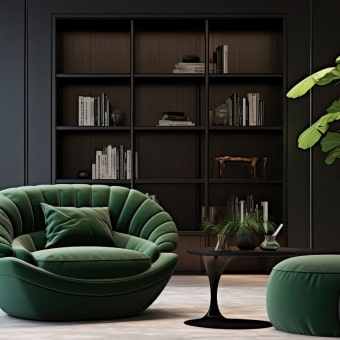
Color, Texture, and the Modern Minimal Palette
Room-by-Room Styling Cues for Modern Interiors
A Guided Approach for Faster Results
- For step-by-step prompts, visual examples, and clear formulas that simplify decisions, use the digital guide: The Art of Shelf Styling.
- Ideal for modern interiors that need curated calm: minimalist shelf design, cohesive styling, and aesthetic organization methods that scale from one shelf to a full wall unit.
- Best used as a reset tool: clear shelves, follow a repeatable structure, then refine with a short edit pass to keep the look polished.
FAQ
How many items should go on a minimalist shelf?
For a 30–36 inch shelf, 5–9 medium-to-large items (including books) usually reads minimal, especially when you leave 20–40% of the shelf visually open. If you have smaller objects, group them on a tray or in a shallow bowl so they read as one shape.
How do shelves look styled but not cluttered?
Start with one anchor per section, then repeat 2–3 materials and limit your palette to a neutral plus one accent. Vary heights, add one organic element, hide utility items in matching storage, and do a final edit pass—remove one item anywhere the shelf feels “busy.”
What should be stored in baskets versus displayed?
Use baskets and boxes for irregular or utilitarian items like cables, remotes, papers, kids’ items, and extra toiletries. Display cohesive, attractive pieces—ceramics, a small set of framed art, a few books, and one plant—so the shelf reads intentional at a glance.



Leave a comment