How to Wear a Belt: Your Practical Styling Checklist
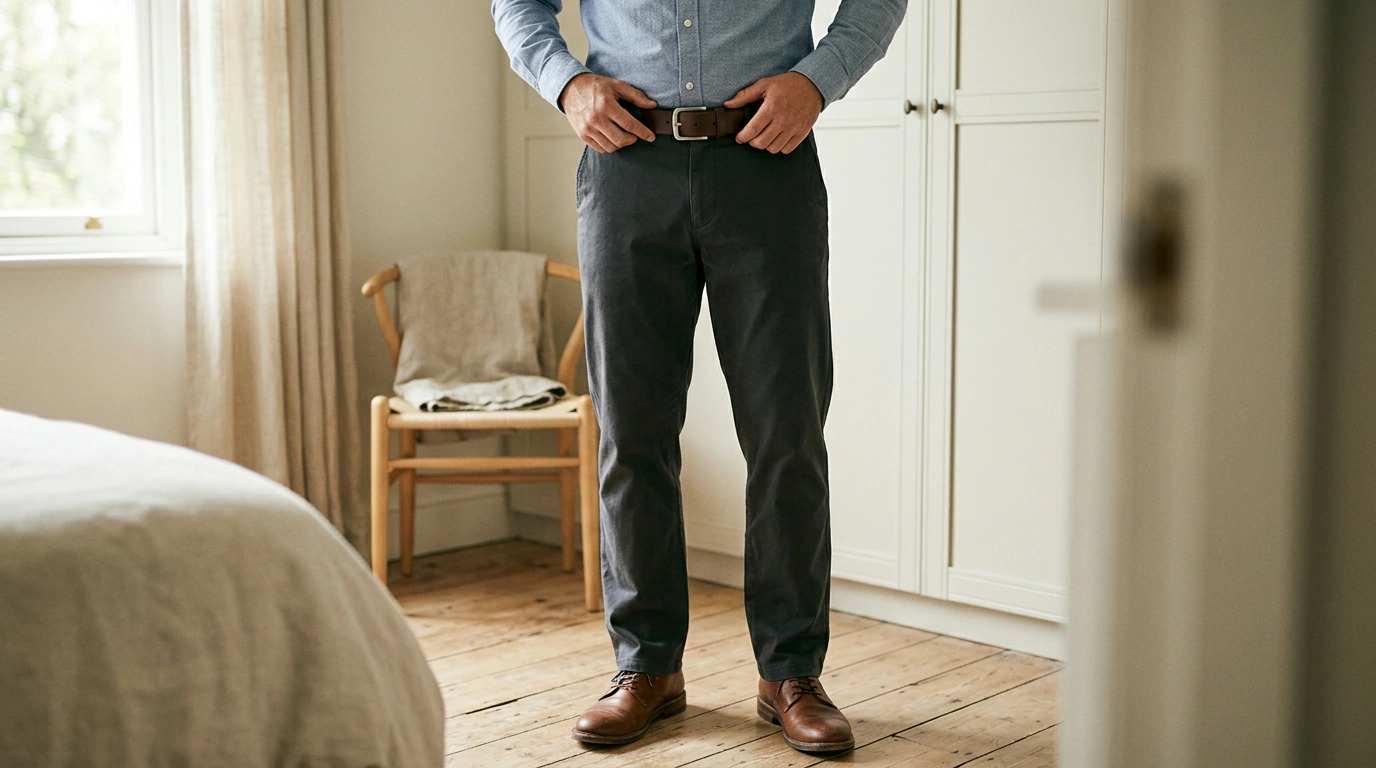
A well-chosen belt can bring an outfit together while keeping your waistband comfortable. The right one doesn’t have to match everything perfectly or follow a long list of rules. It simply needs to fit, work with your clothes, and feel good throughout the day. For more guidance, see How to Wear Belts with Dresses A Complete Styling Guide.
Our team created a digital belt checklist to make those decisions simpler. Start with the practical checks below, then keep our guide handy whenever you want a quick reminder. For further reading, see Helpful Tips for Wearing Belts and Easily Styling Them.
Start With the Right Fit
Fasten your belt so it holds your garment in place without digging into your waist. If you have to pull it tight enough to gather the waistband into bunches, the garment may need a different fit rather than a tighter belt. You should be able to move naturally without the buckle pressing uncomfortably against you.
Check the fit while standing, then sit down. Your waist and the position of your clothing can shift when you sit, making a belt that felt fine a moment ago feel too tight. Loosen it or try a different placement if you notice pressure, pulling, or a buckle that gets in the way.
Belt sizes can differ from trouser sizes, so your usual pants size is only a starting point. A useful alternative is to measure a belt you already wear comfortably: lay it flat and measure from where the buckle’s prong rests to the hole you use most often. Compare that measurement with the sizing guidance for the belt you’re considering.
Match the Belt to the Outfit
For tailored trousers or a polished outfit, a narrower belt with a simple buckle usually creates a clean line. A wider belt, woven finish, or more visible texture can feel at home with jeans and other relaxed pieces. Let the belt loops help guide your choice: the belt should pass through them easily without folding or forcing the fabric.
Coordinating your belt and shoes can make an outfit feel cohesive, especially for a formal occasion. Black shoes with a black belt or brown shoes with a belt in a similar shade are easy starting points. An exact match isn’t essential, though, and casual outfits leave plenty of room for contrast.
Consider the buckle, too. A small, understated buckle complements a streamlined look, while a larger or more decorative one can become a focal point. Choose a scale that feels balanced with your belt and clothing rather than letting the hardware overpower the outfit. For more context on dressing for different occasions, see The Emily Post Institute’s attire guide.
Belt Styling at a Glance
| Outfit | Belt approach | Finishing touch |
|---|---|---|
| Tailored trousers | Choose a slim, understated belt | Coordinate with dress shoes |
| Jeans and a T-shirt | Try a casual belt with texture | Keep the buckle in proportion |
| Dress or long shirt | Use a belt to define the waist | Adjust for comfort and desired shape |
Run Through the Finishing Checks
Once your belt is fastened, take a moment to look at the whole outfit. A few small adjustments can make the difference between a belt that looks intentional and one that distracts from your clothes.
- Make sure the belt lies flat and passes smoothly through each loop.
- Secure the loose end in the keeper or an adjacent belt loop so it doesn’t flap around.
- Look for twists and smooth out any fabric caught beneath the belt.
- Sit down again to check for tightness or an awkwardly positioned buckle.
Placement is flexible when you’re wearing a belt over a dress or long shirt. Try it at your natural waist for definition, or move it slightly to find a shape you prefer. The best placement is the one that works with the garment and lets you move comfortably.
Keep the Digital Checklist Handy
When you want a quick styling reference, our The Ultimate Checklist for Wearing a Belt Flawlessly is a digital download listed at $2.99. It offers straightforward guidance for thinking through your belt choice and finishing touches.
Use it while putting together an everyday outfit, or turn to it when you want a more polished look for an occasion. Having a checklist nearby can make it easier to pause over the details that matter: fit, proportion, comfort, and how the belt works with the rest of your clothes.
Build a Complete Casual Look
A belt can be one understated detail in a relaxed outfit. Try jeans, a T-shirt, and a zip-up hoodie with a textured or simple casual belt. If you wear the hoodie open or tuck in the T-shirt, the belt can add definition without making the outfit feel overly formal.
Keep the buckle comfortable under your layers, and choose a finish that complements your shoes or other accessories. For more ways to put the outfit together, explore our guide to styling a zip-up hoodie.
FAQ
How tight should a belt be?
A belt should hold your garment comfortably without digging in or bunching the waistband. Check the fit while standing and sitting.
Should a belt match your shoes?
Coordinating colors can make a formal outfit look cohesive, but an exact match is optional. Casual outfits leave more room for contrast.
Can you wear a belt with a dress?
Yes. A belt can define your waist or add contrast; choose a width and placement that feel comfortable with the dress.




Leave a comment