How to Get Soft Beach Waves Without Heat at Home

Beach waves can look easygoing without a curling iron. Our heatless routine starts with slightly damp hair, a comfortable braid, wrap, or twist, and a little patience while everything dries. The result will depend on your hair and the method you choose, which is part of the fun: you can adjust the pattern until it feels like yours.
Start with the right amount of moisture
Wash and condition your hair as usual, then gently blot it with a towel instead of rubbing. Let it air-dry until it feels only slightly damp before you put it up. Hair that is still wet may remain damp inside a braid or wrap, especially if it is thick or long.
Detangle gently before making sections. If you normally use a lightweight styling product, work a modest amount through the lengths; too much can weigh down the soft movement you’re after. Starting with dry hair? Lightly mist the lengths with water rather than soaking them. For broader everyday care guidance, the American Academy of Dermatology Association’s hair care tips are a useful reference.
Pick a wave pattern that suits your morning
The method you choose shapes the finished wave. A loose braid makes relaxed, relatively small bends, while two braids can give you a more even pattern on each side. For larger, flowing waves, divide your hair in two and wind each section away from your face around a soft fabric wrap or robe tie. Loose twisted buns create less uniform movement.
Whichever you try, keep tension gentle at the roots. You should be able to settle in comfortably. If a style tugs at your scalp or gets in the way of sleep, loosen it or switch methods. Soft ties and gentle twists are better suited to this routine than pulling sections tight in pursuit of extra definition.
Choose your heatless wave method
| Method | Wave shape | Good to know |
|---|---|---|
| One loose braid | Soft, relaxed bends | Simple for longer lengths |
| Two braids | More defined, even bends | Braid loosely for a less crimped look |
| Fabric wrap | Larger, flowing waves | Use soft fabric without tight tension |
| Loose twisted buns | Varied, tousled movement | More sections may help shorter lengths stay put |
Let the waves set, then separate them gently
Leave your braid, wrap, or twists in place until your hair is completely dry. Overnight is convenient, but it is not a guaranteed drying time: thickness, length, section size, and humidity all make a difference. If a section is still damp when you take it down, let it dry before trying to reshape it.
Remove ties and fabric carefully, then use your fingers to separate the sections. A brush can soften the pattern into a fluffier finish, so save it for days when that is what you want. If the waves look more defined than expected, gently shake out the roots and loosen a few strands by hand. Finish with a small amount of your usual product only if you need it; the goal is touchable movement, not stiffness.
Make the routine your own
Section size is an easy place to experiment. If your hair is fine, start with larger sections and minimal product so the movement stays light. If it is thick, smaller sections or extra drying time may help the inner layers dry before you release them. For shorter layers that slip out of a braid or wrap, try small, gentle twists secured with clips instead.
Give the routine its first run on a low-key day, when you have time to see how your hair responds. Next time, change just one thing—starting dampness, section size, or drying time. That makes it easier to find the combination you like instead of guessing what made the difference.
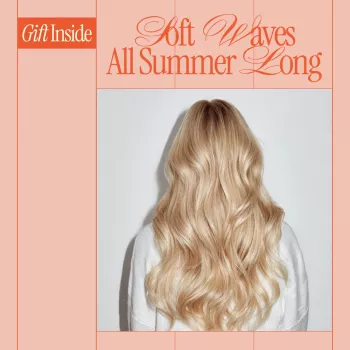
Want a dedicated place to explore the look at home? Our Soft Waves All Summer Long heatless beach wave guide is a $6.99 option if you’d like to keep working on your routine. You do not need to buy a guide to try the braid, wrap, or twist methods above.
Keep the laid-back look going
If an area flattens later, lightly mist that section and put it in a loose twist while you get ready. Let it dry before releasing it, then separate it with your fingers. There is no need to redo every strand: a few uneven bends belong in a relaxed beach-wave look.
You can also let the waves become one part of an easy outfit rather than making them the whole plan. If you’re putting together a casual layer for a cooler evening, our Zip It Up hoodie styling guide offers outfit ideas. For your hair, keep the decision simpler: choose the comfortable method you can leave in until dry, then adjust from there.
FAQ
Can I make beach waves without heat on dry hair?
Yes. Lightly mist dry hair before braiding or wrapping it, then let it dry completely before taking the style down.
Why did my overnight waves fall flat?
Your hair may have been too damp when you released it, or your sections may have been too large for the definition you wanted. Try slightly damp hair and adjust the section size next time.
Should I brush out heatless beach waves?
Start by separating them with your fingers. Brushing can make the pattern softer or fluffier, so use it if that is the finish you want.








Leave a comment