Dresser Styling Rules: Printable Checklist for Any Room
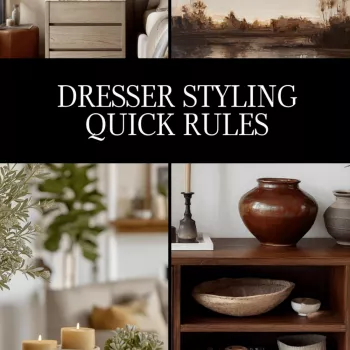
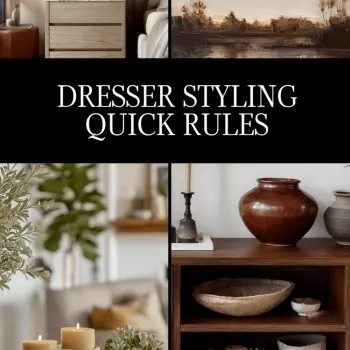
Dresser Styling Quick Rules: A Printable Checklist for Minimalist, Modern, and Bohemian Rooms
A well-styled dresser can make a bedroom (or entryway) feel finished without adding clutter. The easiest way to get there is to follow a few repeatable rules: start with function, build simple structure, then layer in one or two personal details. Use the quick checklist below to create a clean, balanced surface that fits minimalist, modern, or bohemian spaces—and reset it in minutes when it starts to drift.
Start with a clean surface and a purpose
Great styling starts before you place a single object. A spotless, cleared-off surface instantly makes whatever you add look more intentional.
- Clear everything off and wipe the top; styling looks sharper when the base is spotless.
- Decide the dresser’s job: daily landing zone, display-only, or a mix (this determines how much open space is non-negotiable).
- Group practical items into one container (tray, bowl, lidded box) so necessities don’t become visual noise.
- Set a “reset rule”: every night, return items to the container and keep the rest of the surface empty.
If you’re building a small “drop zone,” aim for a single contained area: keys, watch, hand cream, lip balm—everything else should either live in a drawer or earn its keep as decor.
Build a simple structure: anchor, balance, and breathing room
Once the dresser has a purpose, give your styling a clear framework. Designers lean on proportion and visual balance—the same fundamentals that show up in art and design basics.
- Choose one anchor item that sets height: a mirror, framed art, or a tall lamp placed slightly off-center.
- Create balance with a lower counterweight on the opposite side: a stack of books, a short vase, or a sculptural object.
- Leave at least 30–40% of the surface open; negative space is what makes styling look intentional.
- Use the “triangle rule”: vary heights in a small cluster (tall/medium/low) so the eye moves naturally.
For a quick refresher on visual principles like balance, contrast, and proportion, the National Gallery of Art’s Elements of Art overview is a useful reference, and Britannica’s interior design basics offers helpful context for how rooms are composed.
Use the quick rules checklist (fast decisions, consistent results)
- Limit the palette: 2–3 core colors plus one accent keeps the top calm and cohesive.
- Repeat one material at least twice (wood, ceramic, brass, glass, linen) to make mixed objects feel related.
- Stick to odd numbers for display clusters (3 or 5) and even numbers for symmetrical looks (2 matching lamps or vases).
- Keep the front edge mostly clear so the dresser feels functional, not crowded.
- Add one “life” element: plant, branches, or fresh flowers—then keep it simple elsewhere.
- Swap seasonally by changing one item only (candle scent, stem color, or a small textile) to avoid a full redo.
One-Glance Dresser Styling Checklist
| Rule | What to do | Best for |
|---|---|---|
| Anchor + counterweight | One tall focal item, one lower balancing item | Minimalist, modern |
| 30–40% open space | Stop adding items once the surface can “breathe” | Minimalist |
| Triangle heights | Arrange tall/medium/low in a cluster | Modern, bohemian |
| Tray for everyday items | Contain small necessities to reduce clutter | All styles |
| Repeat a material | Echo wood/ceramic/brass at least twice | Modern |
| One soft element | Add a small textile or woven piece sparingly | Bohemian |
| One statement object | Choose a single bold piece; keep the rest quiet | Modern, bohemian |
Style variations by interior vibe
The same rules work across styles—the difference is in the finishes, shapes, and how much texture you introduce.
- Minimalist: one anchor (mirror or art), one tray, one small object; keep colors neutral and lines clean.
- Modern: lean into contrast—black/white, warm wood + matte metal; add one geometric or sculptural piece.
- Bohemian: mix textures (woven, ceramic, wood) while keeping the color story tight; add greenery or dried stems for movement.
- If the dresser itself is visually heavy, keep decor lighter and fewer; if the dresser is simple, the anchor can be bolder.
A practical shortcut: choose one “hero” finish (like oak, matte black, or warm brass), then repeat it in two places—lamp base + frame, vase + candle holder, or bowl + picture frame.
Scale and placement that looks “right” (even in small rooms)
Common styling problems (and quick fixes)
Make it easy to maintain: the 60-second reset
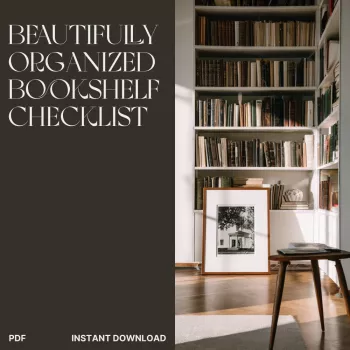
Printable checklist download
For a simple styling add-on that also makes your dresser look lived-in (in a good way), a neat book stack is an easy counterweight. If you want extra momentum for building a reading routine, you can pair the look with Unlock the Page: a simple guide to getting motivated to read more books.
FAQ
How many items should be on top of a dresser?
For most dressers, 3–7 visible decor items plus one container for daily essentials is a workable range. The bigger rule is leaving about 30–40% of the surface open so it still feels functional and uncluttered.
Should a dresser mirror be centered or off-center?
Center it for a clean, symmetrical look (especially in minimalist rooms). Place it slightly off-center for a more relaxed modern or bohemian feel, then balance the other side with a lower “counterweight” like books or a short vase.
What can be used instead of a tray for a dresser top?
A shallow bowl, lidded box, small basket, or catchall dish works just as well. The goal is containment—one defined spot that keeps small everyday items from spreading across the surface.



Leave a comment