Azelaic Acid Routine for Redness, Acne and Texture
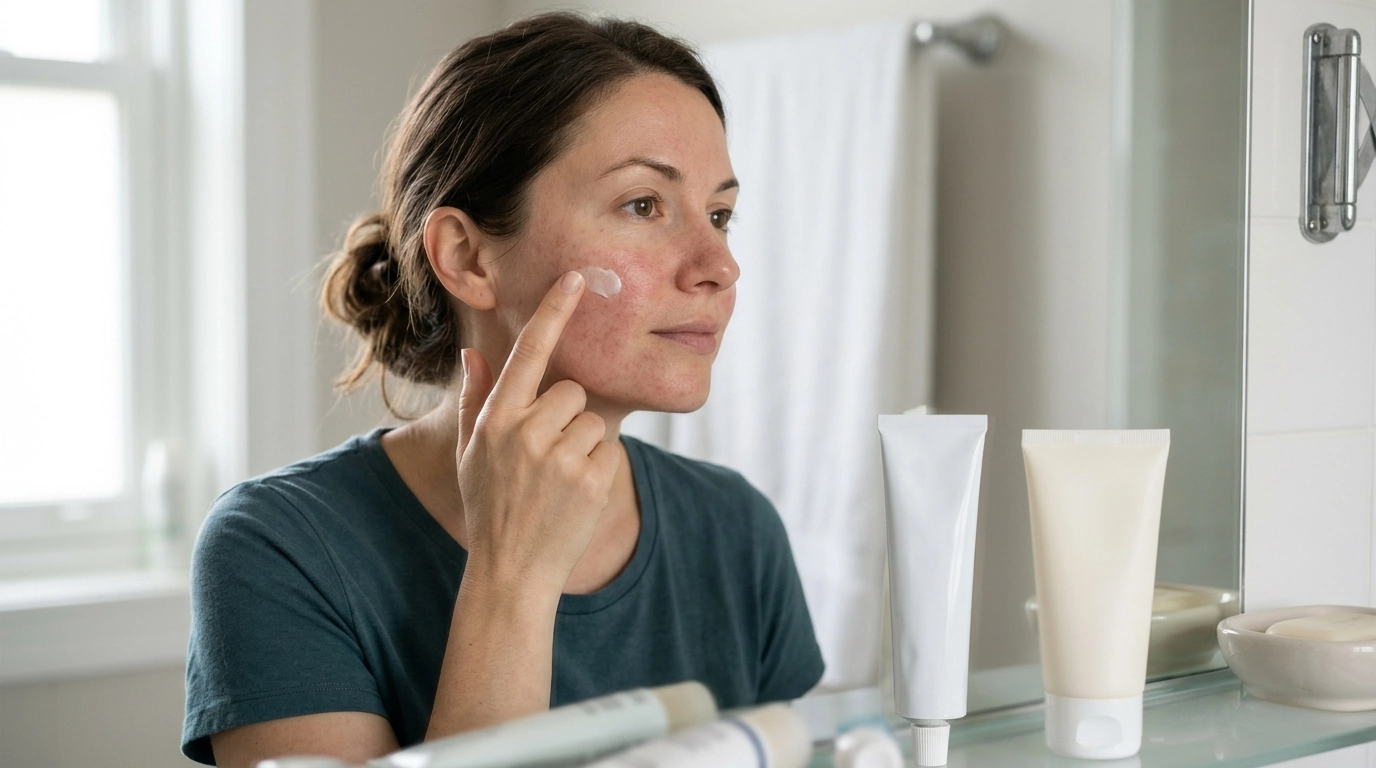
When your skin looks red, feels uneven, or is dealing with acne, adding more products is not always the answer. Azelaic acid can be a useful part of a straightforward routine that supports a calmer-looking complexion while addressing breakouts and texture.
Our team created this guide to help you plan a gentle approach. Results take time, and azelaic acid is not a cure for every cause of redness. The right routine depends on your skin, the product you use, and any guidance you receive from a clinician.
What Azelaic Acid Can Do for Your Skin
Azelaic acid is used to treat acne and certain symptoms of rosacea, including redness and bumps. It may also help improve the appearance of post-acne dark marks and uneven texture over time. Different formulations and strengths are available, so follow the directions for your specific product.
Redness itself can have several causes, from irritation to rosacea and other skin conditions. A product that helps one person may not address another person’s concern. If redness persists or you are unsure what is causing it, a dermatologist can help you identify an appropriate treatment.
For more information about prescription uses and precautions, see MedlinePlus’s azelaic acid drug information.
Build a Gentle Morning and Evening Routine
A simple routine makes it easier to notice how your skin responds. Begin with a gentle cleanser, apply your azelaic acid product as directed, and use a moisturizer to help keep skin comfortable. In the morning, finish with broad-spectrum sunscreen with SPF 30 or higher.
Sun exposure can aggravate redness and make dark marks more noticeable. Apply sunscreen every morning and reapply as directed, especially when you are outdoors. If your skin is easily irritated, choose gentle, fragrance-free products where possible. The American Academy of Dermatology’s rosacea skin care tips offer additional guidance for sensitive skin.
A Simple Routine at a Glance
| Step | Morning | Evening |
|---|---|---|
| Cleanse | Use a gentle cleanser | Remove sunscreen and cleanse gently |
| Treat | Apply azelaic acid if directed | Apply azelaic acid if directed |
| Moisturize | Use a gentle moisturizer | Use a gentle moisturizer |
| Protect | Apply broad-spectrum SPF 30 or higher | Not applicable |
The treatment step does not necessarily mean using azelaic acid twice a day. Your label or clinician’s instructions determine when and how often to apply it. Avoid applying it to broken or irritated skin, and introduce new products gradually so you can recognize a reaction.
Introduce Azelaic Acid Without Overdoing It
Follow the product label or your clinician’s instructions for frequency and application. If your skin is sensitive or you have reacted to treatments before, ask a clinician whether starting less often is appropriate for you.
Mild stinging or dryness can occur, particularly when you first begin. A gentle moisturizer can help with comfort, but persistent or severe irritation is a reason to pause use and seek advice. Avoid scrubbing or trying to work through a reaction.
Keep the rest of your routine uncomplicated while you assess your skin’s response. Exfoliating acids, retinoids, and other potentially irritating products may be useful for some people, but introducing several at once can make it harder to identify what is causing sensitivity. If you want to combine treatments and are unsure how to proceed, ask a dermatologist.
Give Your Routine Time
Improvement generally takes weeks, and the timeline varies with your concern, the formulation, and your skin. Redness, acne, and post-acne marks may not change at the same pace. Rather than adding multiple treatments when progress feels slow, use your chosen product consistently as directed and pay attention to comfort.
It can help to notice changes under similar lighting from week to week instead of judging your skin every day. If redness persists, acne is painful, or symptoms worsen, speak with a dermatologist. You may need a different approach or an assessment of an underlying condition.
Explore the Redness Relief Guide
If you want more help organizing your routine, our Azelaic Acid Routine for Redness Relief guide is a resource for exploring routine planning around acne, texture, and redness. It is listed at $8.99 and can help you think through a consistent approach without treating a guide as a substitute for individual medical advice.
For a complementary skincare topic, explore our Skin Microbiome Balance guide. You do not need to change your entire routine to learn about another aspect of skin care; introduce any new products gradually and focus on what your skin tolerates.
Before choosing, compare the product details with your daily routine, available space, care needs, and preferred setup. The strongest option is usually the one that fits the intended use clearly and remains simple to clean, store, and check before repeat use.
FAQ
Can azelaic acid help with both acne and redness?
Azelaic acid is used for acne and certain rosacea symptoms, including redness. Redness has several possible causes, so results and appropriate treatments vary.
How often should azelaic acid be used?
Follow your specific product’s directions or your clinician’s advice. If your skin is sensitive, ask a clinician whether introducing it less often is appropriate.
Can azelaic acid be combined with other active ingredients?
It can be used alongside other skincare ingredients, but combining potentially irritating treatments may increase sensitivity. Introduce products gradually and consult a clinician if you are unsure.










Leave a comment