Chair Placement Ideas for Better Flow in Every Room
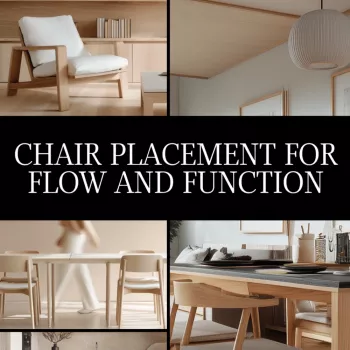
A chair can make a room feel welcoming—or turn a walk to the doorway into an obstacle course. Before you decide where it looks best, notice how you use the space. Where do you walk with a laundry basket? Which drawer do you open every morning? Where does someone sit while another person passes through? Those everyday movements can help you find a placement that works when the room is busy, not just when it is tidy.
Start with the paths you actually take
Walk the routes between doors, seating, storage, and anything else you use regularly. Pay attention to the turns you make and the places where you carry something wide or heavy. A chair may look comfortably tucked into a corner while its front leg still catches the path to a closet.
Then test the room with the chair in use. Dining and desk chairs need space behind them when someone pulls them out. An accent chair may need room for a person’s feet as well as its frame. Ask someone to sit while you walk the busiest route; it is easier to spot an awkward squeeze when the room is being used normally.
If you are planning for a person with specific mobility needs, start with that person’s requirements rather than assuming a layout will work. The U.S. Access Board’s accessible routes guidance can be a useful reference, but a home arrangement still needs to be tested by the people who use it.
Give every chair a job
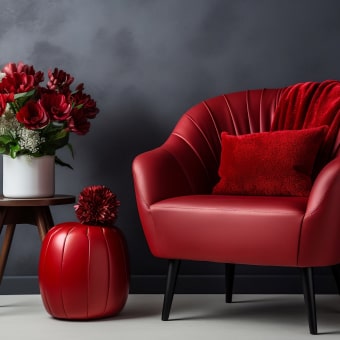
A chair’s purpose should guide its direction and what you place nearby. A conversation chair usually works best when the person seated can face others without calling across the room. It does not have to sit squarely opposite the sofa: a slight angle may invite conversation while keeping the route around it open.
For a reading chair, consider the light at the time you are most likely to read. Is there a practical place for a lamp? Can you set down a book or drink without reaching across a walkway? If you are building a reading spot you will use regularly, our Unlock the Page reading habit guide can help you make that time part of your routine; the chair still needs to be comfortable to approach and leave.
Dining and desk chairs have a different job: you need to pull them back, sit down, and get up without moving other furniture. Occasional seating can be more flexible, but avoid making “occasional” mean that the chair must be shifted every time you open a door.
Match the placement to the room
Use these arrangements as starting points rather than fixed rules. The useful position is the one that supports the chair’s job and feels natural when people move around it.
| Space | Placement to try | Check before settling on it |
|---|---|---|
| Living room | Angle an accent chair toward the main seating area. | Can someone pass beside or behind it without interrupting a seated person? |
| Bedroom | Put an occasional chair where it helps with dressing or reading. | Can doors, drawers, and closets open fully? |
| Dining area | Look at the arrangement with chairs pulled out. | Can people sit down and move around occupied chairs? |
| Home office | Position the chair for easy access to the work surface. | Can it slide or roll back without striking furniture or blocking the door? |
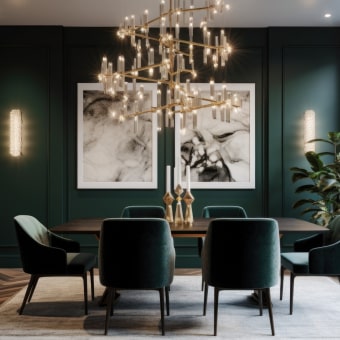
Pay particular attention to shared rooms. In a living room, a chair can define a conversation area without sitting directly in a walking route. In a bedroom, a useful chair should not come at the expense of closet access. Around a dining table, judge the space when everyone is seated, not when every chair is pushed neatly underneath.
Test the arrangement before calling it done
Place the chair, sit down, and stand up. Walk your usual routes, open nearby doors and drawers, and have another household member pass through. Notice whether you have to turn sideways, step around a chair leg, or ask someone to move. Also check the view from the seat: can you see the people, screen, or work surface the chair is meant to serve?
If a path feels crowded, try a small adjustment first. Shifting the chair a few inches, changing its angle, or moving a nearby side table may solve the problem without rearranging the whole room. Test again with someone seated. A change that improves circulation should not make the chair inconvenient to use.
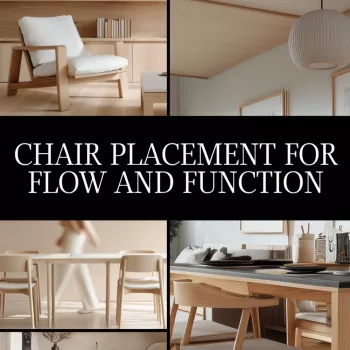
When you want a way to bring those observations together, our Chair Placement for Flow and Function digital guide and checklist supports your room-layout and interior-planning decisions. Use it alongside the simple test that matters most: whether you can sit comfortably and move through your room without working around the chair.
FAQ
Should a chair face the sofa or the TV?
Start with the chair’s main purpose: face it toward other seats for conversation or toward the screen if viewing is the priority. Either way, leave a comfortable path through the room.
How can I tell if a chair is blocking the flow of a room?
Walk the routes you use most while someone occupies the chair. If you must turn sideways, detour, or move the chair to reach a door or drawer, adjust its position.





Leave a comment