Beginner Camping Gear Checklist: Essentials to Pack
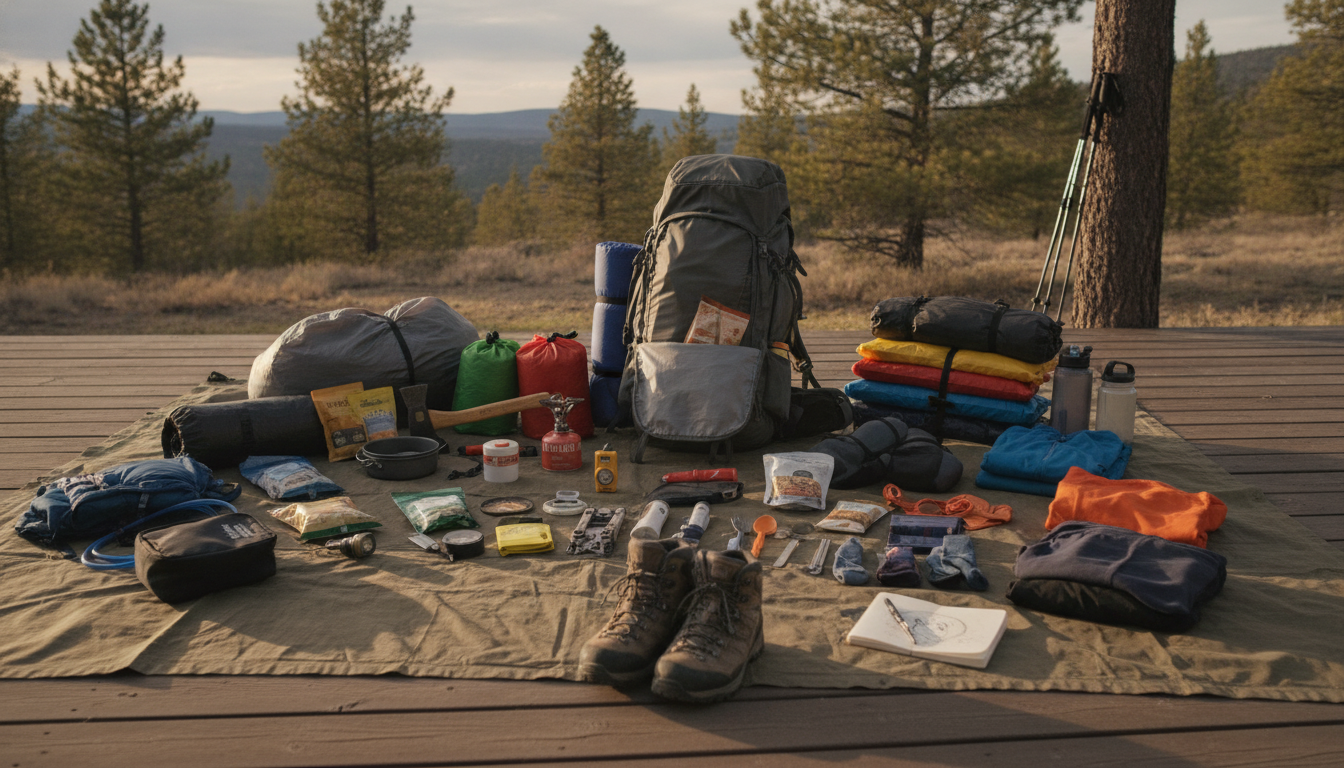
What should be on a camping gear checklist for beginners?
A beginner-friendly camping gear checklist should cover five basics: shelter, sleep, cooking, safety, and clothing. Packing is easier when each category has a “must-have” core kit plus a few comfort add-ons depending on the weather, campground amenities, and trip length.
Shelter and sleep essentials
Start with a reliable tent sized for your group, plus a ground tarp or footprint to protect the floor. Add a sleeping bag rated for the lowest expected temperature and a sleeping pad for insulation and comfort. Bring a small pillow or stuff sack pillow, and don’t forget a headlamp (with spare batteries) for setting up after dark.
Cooking, water, and food basics
For simple meals, pack a camp stove and fuel (or confirm fires are allowed and you have a grate). Include a lighter and waterproof matches, a pot/pan, a mug, and a spork. Water is non-negotiable: carry enough bottles or a reservoir, plus a water filter or purification tablets if you’ll refill on-site. Round it out with a cooler (car camping), trash bags, and basic cleanup items like biodegradable soap and a small sponge.
Safety, navigation, and campsite tools
Include a first-aid kit, bug repellent, sunscreen, and any personal medications. Add a map or downloaded offline navigation, a multitool or knife, duct tape, and a small repair kit for tent poles and air pads. A whistle and emergency blanket are lightweight extras that can make a big difference if plans change.
Clothing and comfort add-ons
Pack layers: a moisture-wicking base, insulating mid-layer, and a rain jacket. Bring warm socks, a hat, and camp shoes. For comfort, consider camp chairs, a lantern, and a small daypack.
For a printable, more detailed breakdown (including hiking and backpacking options), use this complete checklist: https://candorale.com/guide-printable-camping-gear-checklist-hiking-backpacking/.
FAQ
What are the three most important things to bring camping?
Shelter (tent), sleep system (sleeping bag and pad), and water (supply plus a way to treat it) are the top priorities. These cover protection from weather, warmth overnight, and hydration.








Leave a comment