Best Play-Based Learning Items for Kids (Preschool+)
What items are good for play-based learning?
Great play-based learning items invite kids to explore, test ideas, and tell stories—without a “right” way to use them. The best picks are open-ended, sturdy, and easy to rotate so play stays fresh. Below are practical categories that work well for preschool and early elementary ages.
Open-ended building materials
Wooden blocks, magnetic tiles, stackable cups, and interlocking bricks help children practice early math and engineering concepts through trial and error. Add ramps, cardboard tubes, or small boards to introduce balance, gravity, and simple problem-solving.
Pretend play props
Dress-up clothes, play kitchen sets, toy food, dolls, and simple “community helper” kits (doctor bag, tool set) encourage language development and social-emotional skills. A few reusable items—like scarves, hats, and empty (clean) containers—often spark richer imaginative play than highly scripted toys.
Art and sensory supplies
Crayons, washable markers, tempera paint, glue sticks, and safety scissors support creativity and fine-motor control. For sensory play, consider play dough, kinetic sand, water tables, or a sensory bin with scoops and cups. Keep cleanup simple with a tray, mat, or lidded bin so kids can focus on experimenting.
Puzzles, games, and hands-on manipulatives
Chunky puzzles, matching games, counting bears, beads for stringing, and lacing cards build attention, memory, and early literacy/numeracy skills. Choose items that scale in difficulty (fewer pieces to more pieces; simple patterns to complex patterns) to maintain confidence and challenge.
Books and storytelling tools
Picture books paired with puppets, felt boards, or story stones help children retell narratives and expand vocabulary. Story retelling is powerful play-based learning because kids practice sequencing, emotions, and cause-and-effect in a low-pressure way.
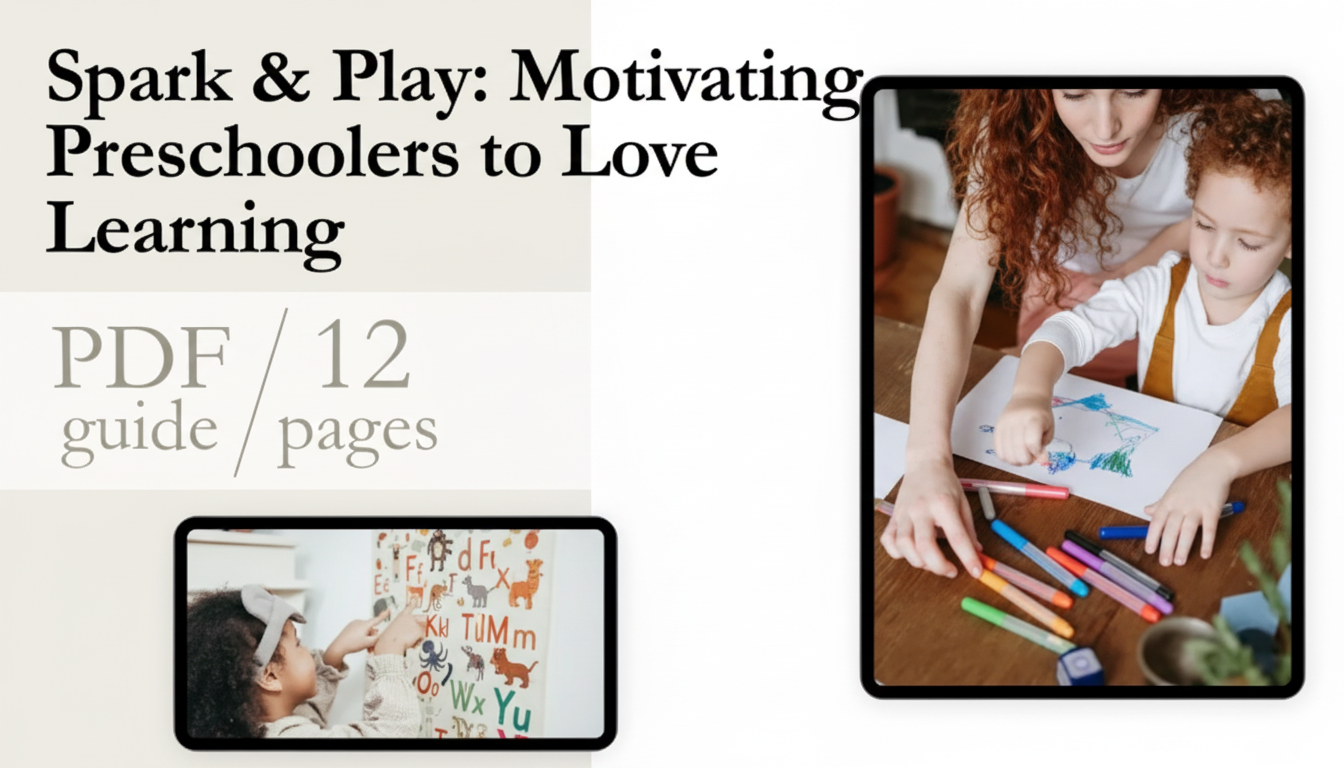
For more ideas on keeping learning playful and motivating, visit this guide to motivating preschoolers to love learning through simple play.
FAQ
How do you encourage play-based learning at home?
Set out a small “invitation to play” (like blocks plus toy cars) and let your child lead. Rotate materials weekly, keep screens out of the play space, and use simple prompts such as “What could we try next?”









Leave a comment