How to Shop Secondhand Like a Pro: Thrift Store Tips
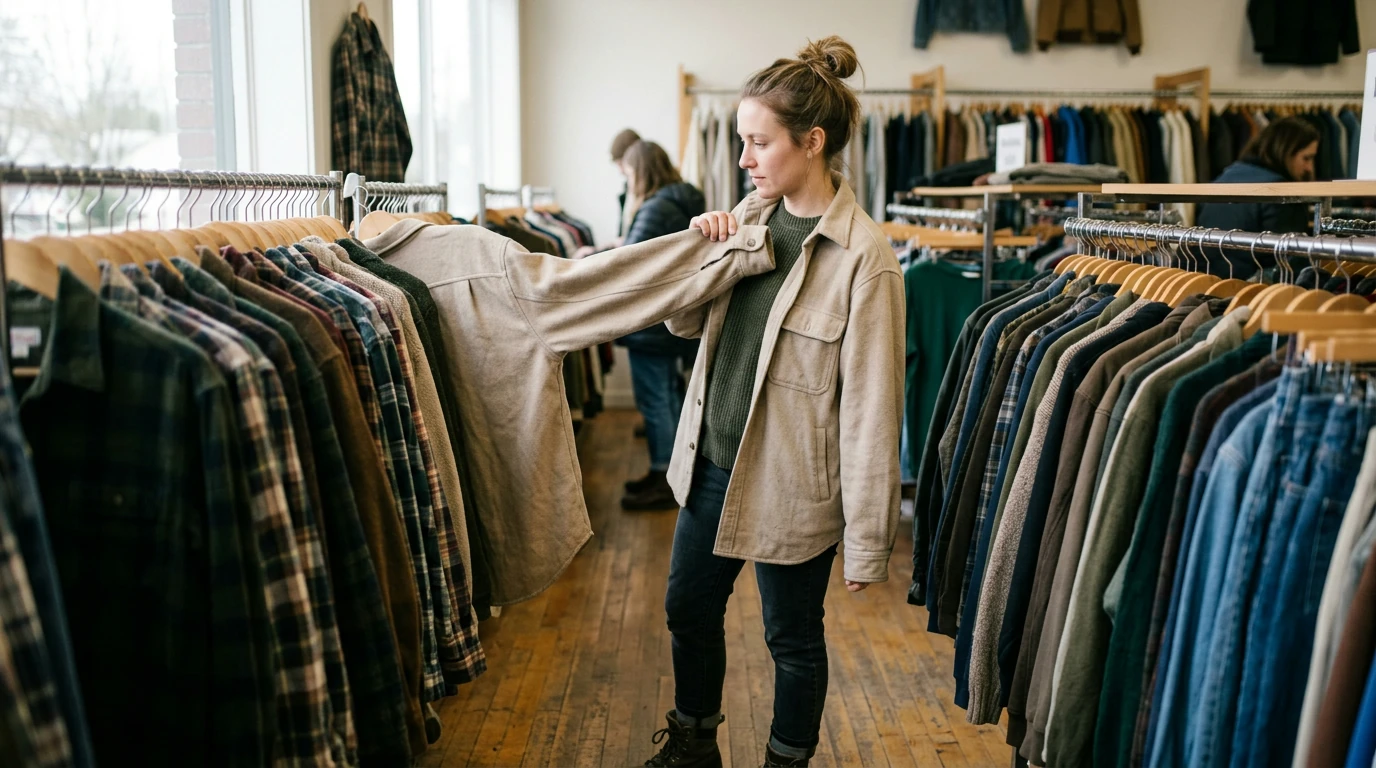
Secondhand shopping can be an affordable way to refresh your wardrobe, find clothing with more life left in it, or explore resale. A little preparation helps you sort through the racks without bringing home pieces you will never wear. Our How to Shop Secondhand Like a Pro digital guide offers a practical starting point for $6.99, whether you are new to thrifting or want a more intentional routine. For more guidance, see Understanding Consumer Behaviour Regarding the Sustainable ….
Start With a Plan Before You Shop
Before heading out, look through your closet for gaps. Perhaps you need a light jacket, work pants, or a shirt that pairs with several outfits. Write down a short list and keep it handy so you can focus on useful pieces when the racks feel overwhelming. For further reading, see The Experience Society.
Set a spending limit for the trip, including any money you may need for cleaning or alterations. It also helps to note your preferred colors and fabrics. If you dislike ironing or cannot comfortably wear a particular material, a bargain in that fabric is unlikely to become a favorite.
Bring measurements for your waist, hips, chest, and inseam, or measure a garment that fits the way you like. Sizes can vary by brand and era, so measurements give you another way to assess a find. Our guide can help you build these habits into a secondhand shopping routine that suits your goals and budget.
Know What to Look for on the Rack
Start with a quick scan of the label for fabric content and care instructions. A piece that needs professional cleaning may cost more to maintain than you want to spend. Then inspect the fabric in good light, paying attention to underarms, cuffs, collars, and other areas that tend to show wear.
Check seams for loose threads or separation, and test zippers, buttons, snaps, and pockets. A missing button might be an easy fix, but a broken zipper or extensive staining may take more work than the item is worth to you. If you can try the garment on, sit, bend, and move your arms to see how it feels.
Use this checklist as a quick decision aid, not a promise that every find will be a bargain. The right choice depends on the item’s condition, your plans, and what you are willing to spend.
| Check | What to look for | Decision tip |
|---|---|---|
| Condition | Stains, holes, worn seams, and working closures | Skip repairs that exceed your time or budget |
| Fit | Measurements and room to move | Compare with a garment that already fits |
| Value | Price plus cleaning or alteration costs | Choose pieces you expect to wear or can reasonably resell |
Shop for Your Wardrobe and Your Budget
A useful find should work with what you already own. Before buying, picture a few outfits you could make with the garment and consider where you would wear them. A neutral overshirt that pairs with your usual jeans and trousers may earn more use than a striking piece that needs an entirely new outfit around it.
Buying secondhand can extend the use of existing clothing. The U.S. Environmental Protection Agency’s guide to reducing and reusing discusses reuse as a way to keep products in use. The practical choice is still to buy what you need and expect to use, rather than treating a low price as a reason to purchase.
For more ideas on working a casual staple into outfits, explore our Zip It Up hoodie styling guide. It can help you think about how a secondhand hoodie might fit into the wardrobe you already have.
Consider Resale Before You Buy
If you are shopping with resale in mind, look beyond the asking prices on active listings. Comparable sold listings can give you a more useful view of what buyers have paid for similar items. Compare the brand, size, condition, and style as closely as possible, since those details can affect demand.
Estimate your costs before deciding: add the purchase price, any cleaning or repairs, platform fees, packing materials, and shipping costs you expect to cover. Leave room for uncertainty. An appealing item may take time to sell, and neither a quick sale nor a profit is guaranteed.
When you list an item, describe it accurately and disclose flaws. Include relevant measurements and clear details about condition so a buyer can make an informed decision. If the numbers or the work involved do not make sense, it is fine to leave the item on the rack.
Take the Guide Along on Your Secondhand Journey
Our team created a resource for shoppers who want to make more deliberate choices. How to Shop Secondhand Like a Pro is our digital-download eBook covering thrift shopping, sustainable fashion, budget-friendly shopping, and resale tips. You can explore the product page and purchase the guide for $6.99 as a starting point for your next trip.
FAQ
How can I make a thrift shopping trip more productive?
Bring a short shopping list, a budget, and your garment measurements. Check condition and fit before buying so you can focus on pieces you are likely to use.
Is buying secondhand always cheaper?
No. Secondhand prices vary, and cleaning, repairs, or alterations can increase the total cost.
What should I check before buying secondhand items to resell?
Review the item’s condition and comparable sold prices, then account for platform fees and shipping costs. These checks can help you estimate potential returns, but they do not guarantee a profit.








Leave a comment