Find Your Calm: Gentle Anxiety Relief Practices
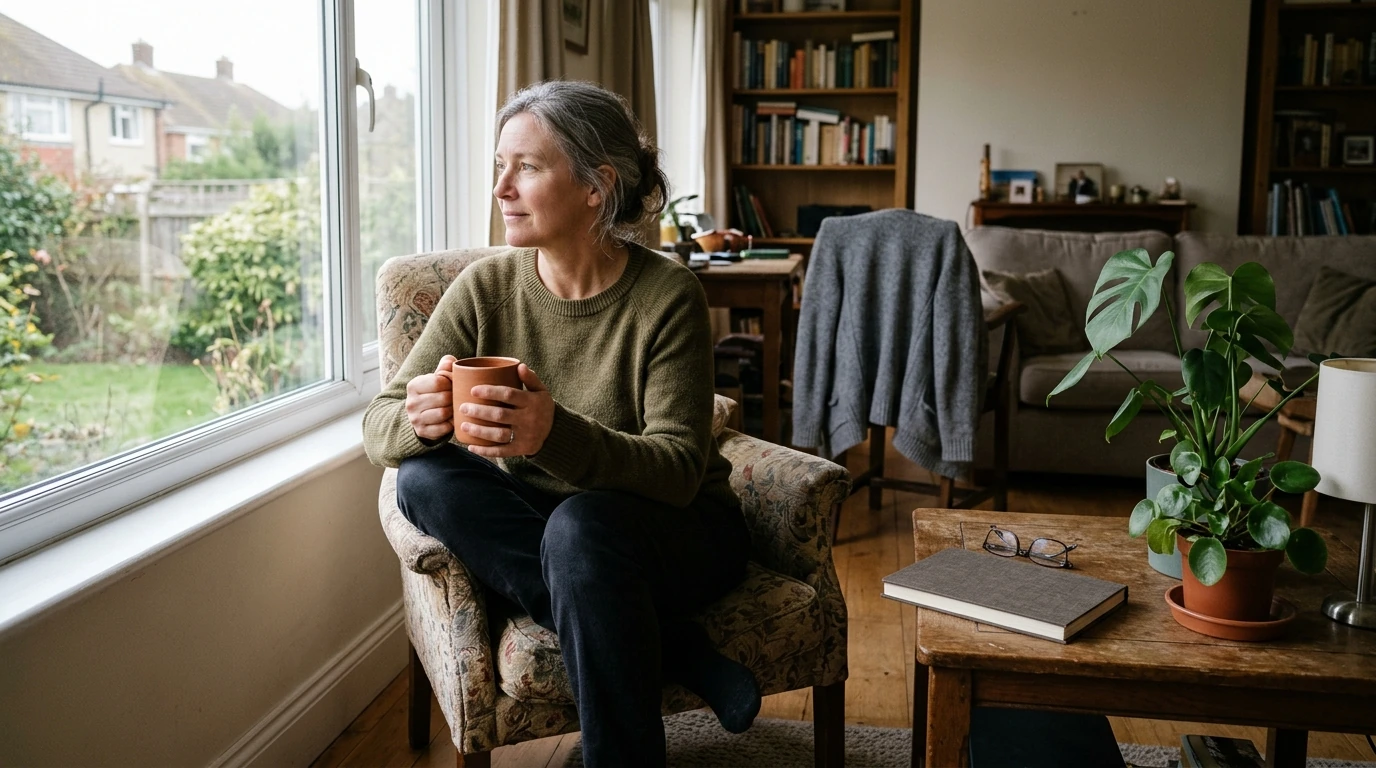
When your day feels crowded with demands, finding a little room to pause can make a difference. You don’t need a perfectly quiet space or a complicated routine to begin. A few comfortable moments of attention can offer a gentle way to reconnect with the present.
Our guide, Find Your Calm, is an approachable resource for exploring mindfulness and relaxation. We also encourage you to find practices that fit your own needs, pace, and comfort.
A Gentle Place to Begin
Anxiety can show up in different ways. You might notice racing thoughts, tense shoulders, a restless feeling, or difficulty settling after a busy day. Sometimes it’s easy to identify what’s bothering you; at other times, the feeling may be harder to name.
A calming habit isn’t a guaranteed cure, and you don’t have to expect it to make every uncomfortable feeling disappear. Instead, consider it a small way to support your well-being. The aim can be as simple as noticing what you need in the moment and giving yourself permission to pause.
For more information about anxiety and when to seek help, the National Institute of Mental Health offers an overview of anxiety disorders and treatment options.
Build a Small Calm-Down Routine
Start by choosing a moment when you can be reasonably comfortable. You might sit in a chair, stand by a window, or rest your hands on a table. Let your breathing move at a natural pace and notice a few breaths without trying to make them deeper or slower than feels comfortable.
Then, bring gentle attention to what you notice. Are your feet touching the floor? Is there tension in your jaw? Are thoughts moving quickly? You don’t need to judge your experience or force thoughts away. Noticing is enough.
Simple Practices for Different Moments
| When | Practice | Gentle approach |
|---|---|---|
| Before a busy day | Mindful breathing | Notice a few natural breaths without forcing them. |
| During a tense moment | Grounding | Notice your feet on the floor and the space around you. |
| When winding down | Body awareness | Notice areas of tension and soften where comfortable. |
Try one approach for a few moments and see how it feels. You may prefer to keep your eyes open, move gently, or focus on the room rather than your breathing. There’s no required duration, and a routine can change from day to day. Regular, comfortable practice may feel more manageable than setting an ambitious goal you don’t enjoy.
Make Mindfulness Fit Your Day
Pairing a pause with something you already do can make it easier to remember. While your morning drink cools, notice its warmth in your hands. During a break from work, look around and notice a few colors or sounds. Before moving on to your next task, feel your feet on the floor and let your shoulders settle if that feels comfortable.
Your attention will wander. That’s normal, not a sign that you’re doing anything wrong. When you notice it, you can gently return to a sensation or to your surroundings. You can also decide that now isn’t the right time to practice.
If focusing inward makes you feel uncomfortable or more distressed, stop or try a different approach. Looking around the room, taking a brief walk, or connecting with someone you trust may feel more supportive. The National Center for Complementary and Integrative Health provides more information about mindfulness, including its possible benefits and safety considerations.
Explore Find Your Calm
If you’d like a resource dedicated to this topic, our Find Your Calm: Simple Steps to Ease Anxiety and Relax Naturally is a gentle guide to exploring mindfulness and relaxation. It is currently in stock and listed at $8.99. Visit the product page to learn more and decide whether it suits the kind of support you’re looking for.
If making time to read is a separate goal, our team also offers Unlock the Page: Your Simple Guide to Getting Motivated to Read More Books. This in-stock digital download is listed at $9.99 and focuses on reading motivation rather than anxiety relief.
When to Seek More Support
If anxiety persists, feels difficult to manage, or interferes with work, relationships, or everyday activities, consider speaking with a qualified health professional. You don’t have to wait until things feel unmanageable to ask for help. A professional can listen to your concerns and help you explore care suited to your circumstances.
Relaxation practices can be a possible complement to professional care, but they are not a replacement for individualized treatment. You can discuss any practice that feels uncomfortable with your care provider and decide together what may be appropriate for you.
FAQ
Can mindfulness help with anxiety?
Mindfulness may help some people manage anxiety, though experiences and results vary. Professional support may be appropriate, especially if anxiety persists or affects daily life.
How long should a relaxation practice take?
You can start with a few comfortable moments and build a routine that fits your day. There is no required duration.
Is Find Your Calm a substitute for therapy?
No. Find Your Calm is a self-care resource, not a replacement for individualized mental health treatment.








Leave a comment