Retinol Starter Plan: Timeline + Dos & Don’ts for Beginners
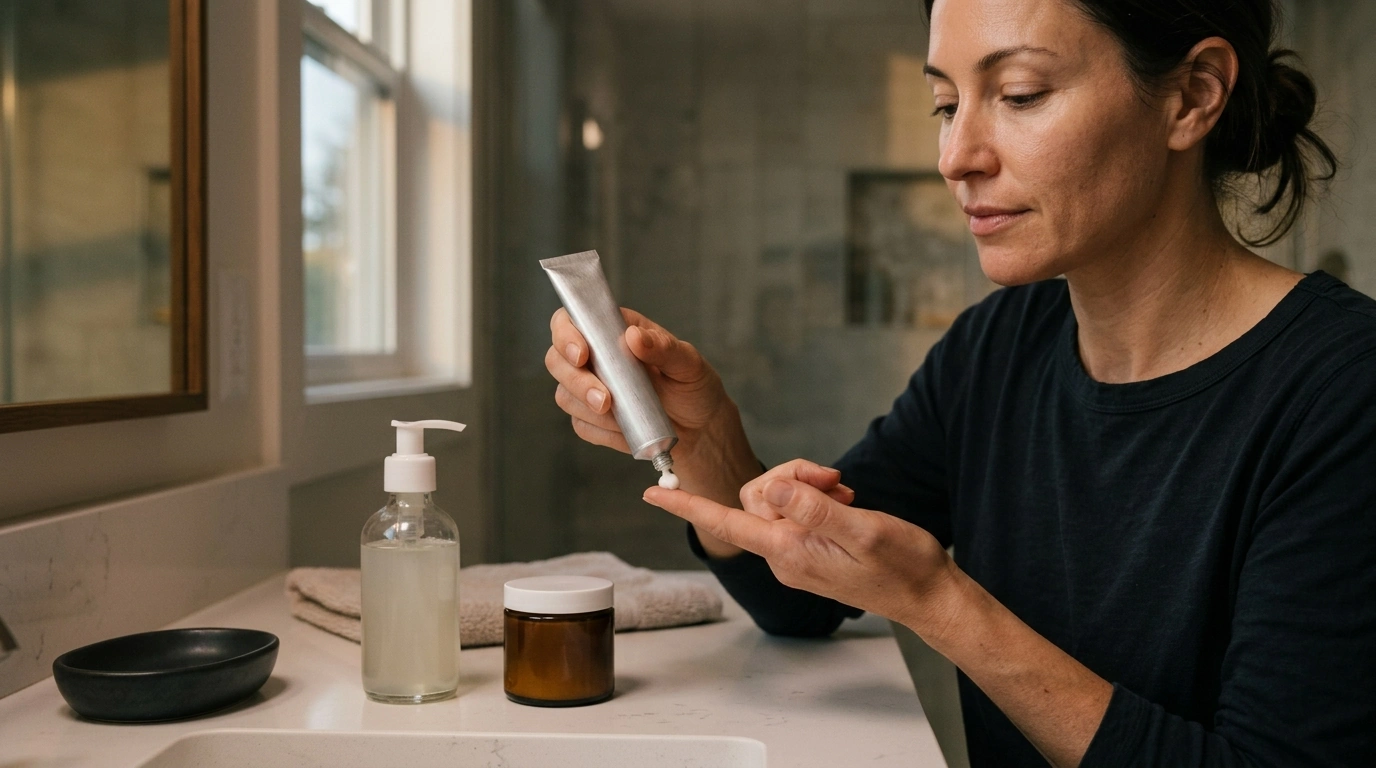
Retinol Starter Plan: A Beginner-Friendly Timeline, Dos & Don’ts, and a Routine You’ll Actually Stick To
Retinol can be a game-changer—but only when it’s introduced with a plan. Our team put together this beginner-friendly timeline, plus the dos and don’ts that prevent the “retinol spiral” (when irritation hits and you quit). If you want results without a stressed-out barrier, your goal is simple: start small, stay consistent, and keep the rest of your routine calm while retinol does its slow, steady work.
What retinol does (and why the “starter” phase matters)
Retinol is a vitamin A derivative that supports skin renewal, which can help improve the look of fine lines, uneven tone, and congestion over time. The first few weeks aren’t about pushing for fast change—they’re about building tolerance so you can keep going long enough to see results.
A starter plan works because it controls the three variables beginners tend to change too quickly: how often you apply (frequency), how much you apply (amount), and what else you use alongside it (supporting products). When you change all three at once, it’s hard to tell what caused irritation—or how to fix it.
Before the first application: set up your routine (simple, supportive, repeatable)
Retinol is easiest when your base routine is boring on purpose. Choose a gentle cleanser, a bland moisturizer, and a daily sunscreen. Keeping your basics steady makes it easier for you to spot what’s working (and what isn’t) without guesswork.
Start retinol on nights when the rest of your evening is calm: no new acids, no exfoliating experiments, and no “extra actives just because.” If your skin is reactive or you have a history of sensitivity, patch-test for a few nights on a small area before going all-in.
One more thing that helps: pick one measurable goal (texture, post-breakout marks, overall glow). Retinol rewards patience, so the right expectations keep you consistent.
| Category | Keep | Pause/Limit at the start |
|---|---|---|
| Core routine | Gentle cleanser, moisturizer, SPF 30+ daily | Fragrance-heavy new products |
| Actives | One retinol product only | AHA/BHA peels, strong exfoliating toners, benzoyl peroxide on the same night |
| Habits | Consistent bedtime routine, hydration, sunscreen reapplication | Scrubbing, picking, over-cleansing |
Your starter timeline: frequency, amount, and what “normal” looks like
Your default “dose” is a pea-sized amount for your whole face (or slightly less if your face is smaller). More product usually means more irritation—not faster results.
Here’s a beginner-safe progression that prioritizes staying power:
| Timeline | Frequency | What to focus on | Adjust if… |
|---|---|---|---|
| Weeks 1–2 | 1–2 nights/week | Comfort + hydration | Stinging/peeling persists → reduce to 1 night/week |
| Weeks 3–4 | 2 nights/week | Steady routine, no extra actives | Dry patches → add moisturizer buffering |
| Weeks 5–8 | 3 nights/week | Consistency | Redness/burning → pause, then restart slower |
| Month 3+ | 3–5 nights/week (optional) | Long-term maintenance | Sensitivity returns → step back to last tolerated level |
Common early sensations include mild dryness, light flaking, or slight tightness—especially around the mouth and nose. Red flags are burning, swelling, cracking, intense redness, or irritation that doesn’t calm down after a day or two. If you see red flags, scale back immediately and focus on barrier support.
Dos that make retinol easier (and more effective over time)
- Do apply on completely dry skin if you’re prone to irritation (wait 10–20 minutes after cleansing).
- Do use the “moisturizer sandwich” when starting: moisturizer → retinol → moisturizer.
- Do protect high-flake zones (corners of nose, lips, under-eyes) with a thin layer of moisturizer or petrolatum.
- Do commit to daily sunscreen. Retinoids can increase sun sensitivity, and UV exposure works against your results.
- Do keep variables stable for at least the first month: same cleanser, same moisturizer, same SPF.
Don’ts that cause the classic beginner spiral
Troubleshooting: what to do when dryness, peeling, or purging shows up
When irritation repeats, the best “upgrade” is often barrier support, not adding more treatments. For additional patient-level guidance, you can review retinoid basics from the American Academy of Dermatology or safety/usage notes via MedlinePlus.
Recommended downloads from our store
- Retinol Starter Plan: Dos, Don’ts, Timeline | Beginner Skincare Guide (Digital Download) — a paced timeline, clear rules for mixing actives, printable-style checklists, and a quick reset plan for “oops, I overdid it” weeks.
- Skin Microbiome Balance: Prebiotics + Probiotics Routine – The Ultimate Guide for Radiant, Healthy Skin — a supportive, barrier-minded routine approach that’s helpful when you’re trying to keep skin calm while introducing stronger ingredients.
FAQ
How long does it take to see results from retinol?
Many beginners notice early texture changes in about 4–8 weeks, while improvements in tone and the look of fine lines often take 8–12+ weeks. Consistency and daily sunscreen make a bigger difference than pushing frequency too fast.
Can retinol be used with vitamin C, acids, or benzoyl peroxide?
Yes, but beginners usually do best by separating strong actives—vitamin C in the morning and retinol at night is a common approach. Using acids or benzoyl peroxide on the same night as retinol can raise irritation risk, especially during the first 6–8 weeks.
What should a beginner do if their skin starts peeling or burning?
Pause retinol and switch to a gentle cleanser, moisturizer, and daily SPF until your skin feels comfortable again. Then restart at a lower frequency with buffering (moisturizer before retinol), and consider professional advice if burning is severe or persistent.










Leave a comment