Luxury Spherical Camping Tent: Storm-Ready Dome Comfort
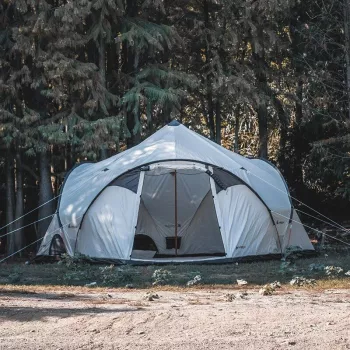
Weather-Resistant Luxury Spherical Camping Tent: A Stay-Put Shelter That Feels Like a Retreat
A spherical tent changes the whole feel of camp—more like stepping into a private dome than crawling into a standard ridge-line shelter. Our weather-resistant luxury spherical camping tent is built for trips where comfort matters as much as protection: a wind-aware shape, a cozy interior footprint, and the kind of presence that turns a campsite into a destination. Use this guide to plan where it fits best, how to set it up for rougher weather, and how to keep it performing season after season.
Why a spherical tent belongs in a comfort-first camp setup
If your best trips are the ones where camp is the highlight—not just the place you crash—this shape earns its keep quickly.
- A rounded profile helps manage gusty conditions by encouraging airflow around the structure rather than presenting broad, flat walls to the wind.
- The dome-like living space feels naturally roomier than many traditional shapes, making it a strong match for basecamps, longer stays, and glamping-style weekends.
- A luxury shelter is about the experience: a calmer interior, better organization, and a space that supports downtime—not just sleep.
- Best suited for campers who prioritize a stable, comfortable hub at camp over ultralight mileage days.
If you like arriving once, setting up well, and settling in, our team built this kind of shelter choice into the lineup for exactly that style of camping: fewer compromises once you’re on site.
Weather resistance in real-world use: how to set up for wind, rain, and changing conditions
Weather-resistant performance starts before the tent comes out of the bag. A good site and a deliberate pitch do more than any single “storm feature.” For general outdoor safety and weather readiness, you can also review guidance from NOAA’s National Weather Service.
- Prioritize site selection: choose naturally sheltered areas (behind tree lines or terrain features) while avoiding hazards like dead branches and flood-prone depressions.
- Stake deliberately: anchor corners first, then work evenly around the structure so tension stays balanced; re-check after the first wind gusts or rain begins.
- Use guy lines when the forecast turns: spreading load across multiple anchors reduces stress on any single point and helps keep the tent stable.
- Manage moisture: even in wet weather, controlled ventilation helps reduce interior condensation—especially overnight when temperatures drop.
- Plan for runoff: set camp on slightly higher ground and keep the entry oriented away from prevailing wind when possible.
Quick setup checks for tougher weather
| Condition | What to do at setup | Why it helps |
|---|---|---|
| High wind | Align entrance away from prevailing wind; use all available stake points; tension guy lines evenly | Reduces flapping, improves stability, lowers stress on seams and anchors |
| Heavy rain | Choose higher ground; avoid channels/low spots; keep gear off the floor using bins or pads | Prevents pooling, minimizes splashback and damp gear |
| Cold nights | Vent lightly and keep wet items contained near the entry area | Cuts condensation that can chill the interior and dampen insulation |
| Mixed conditions | Do a 10-minute re-tension after first gust/rain | Fabric and lines settle; re-tensioning restores weather-ready tautness |
Keep your setup low-impact: follow established rules at your site and avoid altering terrain. The Leave No Trace Seven Principles are a solid baseline for choosing durable surfaces and keeping campsites in good condition.
Luxury, without the fuss: building a livable interior
A luxury shelter feels “easy” when you set it up like a small living space rather than a pile of gear.
- Create zones: dedicate one area for sleeping, one for changing/relaxing, and one for shoes and damp layers near the entrance.
- Bring comfort that actually travels: a supportive sleeping pad or low cot-style system, a warm blanket layer, and a compact camp rug at the entry to keep grit out.
- Lighting transforms the space: soft, low-glare lantern lighting makes the dome feel like a room rather than a temporary shelter.
- Keep the floor cleaner longer: use a small brush or microfiber towel at the door and store dirty items in a tote to protect the interior feel.
When you treat your tent as a “home base,” you spend less time searching for essentials and more time enjoying where you camp.
Where this tent shines: trip types and campsite styles
If you’re camping on public lands, it’s worth reviewing campground-specific safety notes from the U.S. National Park Service, especially around wind events, trees, and flash-flood-prone terrain.
Care and longevity: keep the tent performing like new
Product details and how to decide if it’s the right match
- Weather-Resistant Luxury Spherical Camping Tent
- Unlock the Page: Your Simple Guide to Getting Motivated to Read More Books (Digital Download) (great for unrushed basecamp downtime)
- Skin Microbiome Balance: Prebiotics + Probiotics Routine (a smart add-on if you want a simple routine after sun, wind, and dry air)
FAQ
How wind-resistant is a spherical camping tent?
The rounded geometry helps gusts flow around the shelter instead of hitting broad flat panels, which can reduce buffeting. Real wind performance still depends on smart site selection, full staking, and evenly tensioned guy lines.
How do you reduce condensation in a weather-resistant tent?
Keep controlled airflow by venting overnight, even when temperatures drop, and avoid letting wet gear dry out across the entire interior. Choose a drier site when possible, and keep damp layers contained near the entry area so moisture doesn’t spread.
What’s the best surface to pitch a luxury tent on to protect the floor?
Pick durable, flat ground and avoid sharp gravel or thorny debris that can abrade materials. Use a footprint or ground barrier, clear the area gently, and skip trench-digging—especially at established sites.








Leave a comment