Skin Microbiome Reset: Prebiotic + Probiotic Routine
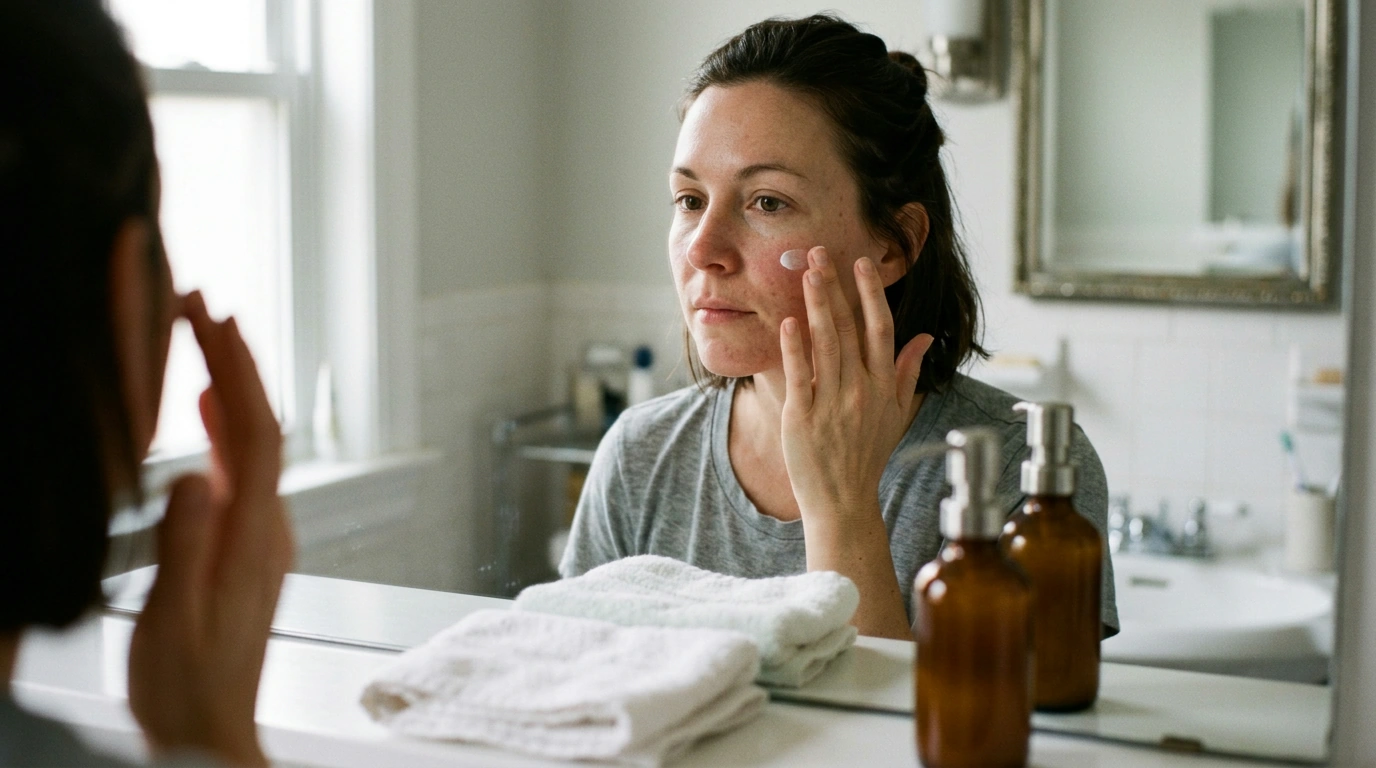
Skin Microbiome Balance: Prebiotics + Probiotics Routine—A Practical Guide to Calmer, Healthier-Looking Skin
Healthy-looking skin is more than a glow—it’s a sign your skin barrier and microbiome are working together. When the ecosystem on your skin is supported (not stripped), it tends to look calmer, clearer, and more resilient. Our team put together this guide to help you build a simple, realistic routine based on microbiome-friendly habits, plus where prebiotics and probiotics fit into everyday skincare choices. For more guidance, see Primebiome Reviews: The Skeptic’s Guide to Youthful Skin & Gut ….
What the skin microbiome actually does (and why it shows on your face)
Your skin microbiome is a community of microorganisms that live on the surface of your skin. When that community stays relatively stable, it supports the skin barrier—your built-in “protective coat” that helps reduce visible dryness, roughness, and sensitivity. For further reading, see The Role of Probiotics in Skin Health and Related Gut–Skin Axis.
When the barrier is stressed (think: over-cleansing, harsh exfoliation, or constantly switching products), your skin can look reactive. Common signs include redness, tightness, uneven texture, or an uptick in breakouts. A microbiome-friendly routine prioritizes consistency and barrier support first; targeted treatments tend to feel better and perform better when your foundation is calm.
If you want a credible overview of how the microbiome functions on skin, the Cleveland Clinic’s explainer is a helpful starting point: Cleveland Clinic: Skin Microbiome.
Prebiotics vs. probiotics in skincare: the simplest way to think about them
Prebiotics in skincare are ingredients that help support a healthy environment for beneficial skin flora—think of them as “support” that makes it easier for balance to stick around.
Probiotics typically refer to beneficial microbes. In skincare, many formulas use ferments or probiotic-derived ingredients rather than live organisms, aiming for a similar soothing, supportive effect. You’ll also see postbiotics (byproducts of fermentation) included in probiotic-focused products; these are commonly used to support barrier function and help skin feel more comfortable.
The key takeaway: you’ll get the most mileage from a routine that stays gentle, hydrating, and consistent, rather than chasing one single “miracle” ingredient.
The everyday routine that helps keep the microbiome steady
When you’re trying to keep your microbiome and barrier stable, your routine doesn’t need to be complicated—it needs to be predictable.
AM: protect for the day ahead
Cleanse lightly (or rinse) → hydrate → moisturize → sunscreen. The goal is to protect your barrier so it doesn’t spend the day in recovery mode.
PM: reset without stripping
Gentle cleanse → targeted treatment only if needed → replenish hydration → seal with a moisturizer. If your skin is easily irritated, “targeted treatment” might be nothing at all for a couple of weeks while you rebuild comfort.
Exfoliation rules that keep things calm
Keep exfoliation controlled—usually 1–3 times weekly depending on sensitivity. Stop if you notice stinging, persistent redness, or tightness. Also avoid “reset cycles”: bouncing between multiple strong actives can keep your barrier in a constant recovery loop. Comfort matters; if something burns on application or leaves prolonged tightness, your skin is telling you it’s too much right now.
| Step | AM (daily) | PM (daily) | Notes for balance |
|---|---|---|---|
| Cleanse | Gentle cleanser or water rinse | Gentle cleanser | Skip foaming/high-stripping cleansers if skin feels tight after washing |
| Hydrate | Hydrating toner/essence or serum | Hydrating toner/essence or serum | Look for barrier-supporting hydration (glycerin, panthenol, hyaluronic acid) |
| Support | Prebiotic/probiotic/postbiotic skincare (optional) | Prebiotic/probiotic/postbiotic skincare (optional) | Best used consistently; avoid layering too many new items at once |
| Moisturize | Light to medium moisturizer | Medium to richer moisturizer | Ceramides and squalane are common barrier-friendly options |
| Protect | Broad-spectrum sunscreen | — | Daily UV protection helps prevent inflammation that can disrupt balance |
Common signs the microbiome is stressed (and what to do next)
Skin feels tight right after cleansing: simplify your cleanser and add a richer moisturizer at night.
Sudden sensitivity to “normal” products: pause new actives for 7–14 days and run a basic routine (cleanse, moisturize, sunscreen).
Breakouts that worsen with more scrubbing/exfoliating: reduce friction (scrubs, cleansing brushes) and focus on soothing hydration.
How to introduce prebiotics and probiotics without overwhelming your skin
A simple 14-day reset plan (for calmer, more resilient skin)
Our guided routine companion (digital download)
If you want a step-by-step structure you can follow without overthinking, our team created Skin Microbiome Balance: Prebiotics + Probiotics Routine – The Ultimate Guide for Radiant, Healthy Skin. It’s designed to turn “microbiome-friendly” into an easy day-to-day plan, including a simple reset approach and practical do/don’t guidance for building consistency.
If sticking to any routine is your biggest hurdle, you may also like our digital habit support resource: Unlock the Page: Your Simple Guide to Getting Motivated to Read More Books. Even though it’s not skincare-specific, it’s built around the same skill your skin benefits from most—steady, repeatable habits.
FAQ
Can prebiotics and probiotics help with acne-prone skin?
Microbiome-support routines can help acne-prone skin feel calmer and more resilient, but acne has multiple causes. Keep cleansing gentle, avoid harsh stripping, and introduce supportive products gradually; persistent or severe acne is best evaluated by a dermatologist.
How long does it take to notice a healthier skin barrier and microbiome balance?
Comfort improvements (less tightness, less sting) can show up within days, while more visible changes in calmness and texture often take 2–4 weeks with consistency. The biggest accelerators are staying steady and avoiding frequent product switching.
Should probiotics be taken orally for skin benefits or used in skincare?
Oral supplements and topical skincare work differently, and supplements should be discussed with a healthcare professional. For skincare, focus on gentle, barrier-supportive formulas and a steady routine instead of relying on one single approach.









Leave a comment