Rebalance Your Skin Microbiome: 5 Barrier-Safe Steps
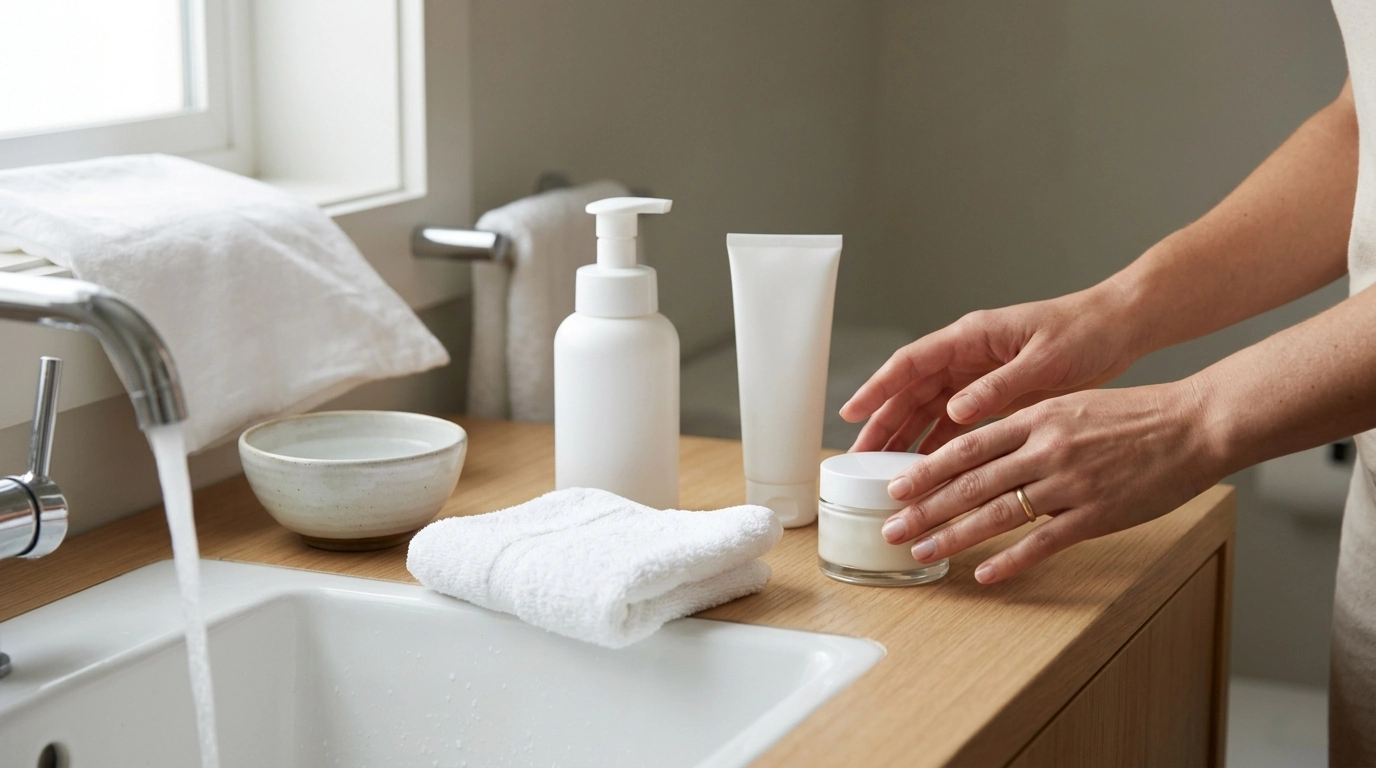
How to rebalance your skin microbiome?
Your skin microbiome is the living community of bacteria, fungi, and other microbes that helps keep the skin calm, resilient, and better able to defend itself. When that balance is disrupted—often alongside a weakened moisture barrier—skin can feel more reactive, dry, oily, or breakout-prone. Rebalancing usually means doing less irritation and more barrier support, consistently.
1) Simplify your routine to reduce stress on the skin
Temporarily pare back to a gentle cleanser, a moisturizer, and daily broad-spectrum SPF. Avoid stacking multiple actives at once (like strong acids, retinoids, and benzoyl peroxide together), since overuse can increase irritation and make it harder for your skin’s ecosystem to stabilize.
2) Choose barrier-friendly cleansing habits
Cleanse with lukewarm water and a mild, non-stripping formula—especially if you’re dry or sensitive. Over-cleansing and harsh surfactants can remove protective lipids, which are part of the environment beneficial microbes thrive in.
3) Pause aggressive exfoliation and fragranced irritants
Physical scrubs and frequent peels can create micro-inflammation that favors imbalance. If your skin is already reactive, take a break from exfoliants for a couple weeks, then reintroduce slowly (once or twice weekly) only if your skin tolerates it.
4) Feed and protect the microbiome with supportive ingredients
Look for products designed to support the barrier and skin comfort: ceramides, fatty acids, cholesterol, glycerin, and soothing ingredients like panthenol. Prebiotics and postbiotics can also be helpful for promoting a healthier-looking skin environment, especially when paired with consistent hydration.
5) Don’t forget lifestyle triggers
Sleep, stress, diet, and friction (tight masks, constant touching) can all influence flare-ups. Keep pillowcases clean, avoid picking, and use breathable fabrics when possible.
For a deeper, step-by-step breakdown of what helps (and what to avoid), visit this guide on how to rebalance your skin microbiome.
FAQ
What damages the skin microbiome?
Over-cleansing, harsh soaps, frequent exfoliation, and strong or overlapping actives can disrupt the skin’s protective barrier and shift its microbial balance. Stress, poor sleep, and irritation from friction or pollutants may also contribute.









Leave a comment