Tea Tree Oil Checklist for Clearer, Calmer Skin
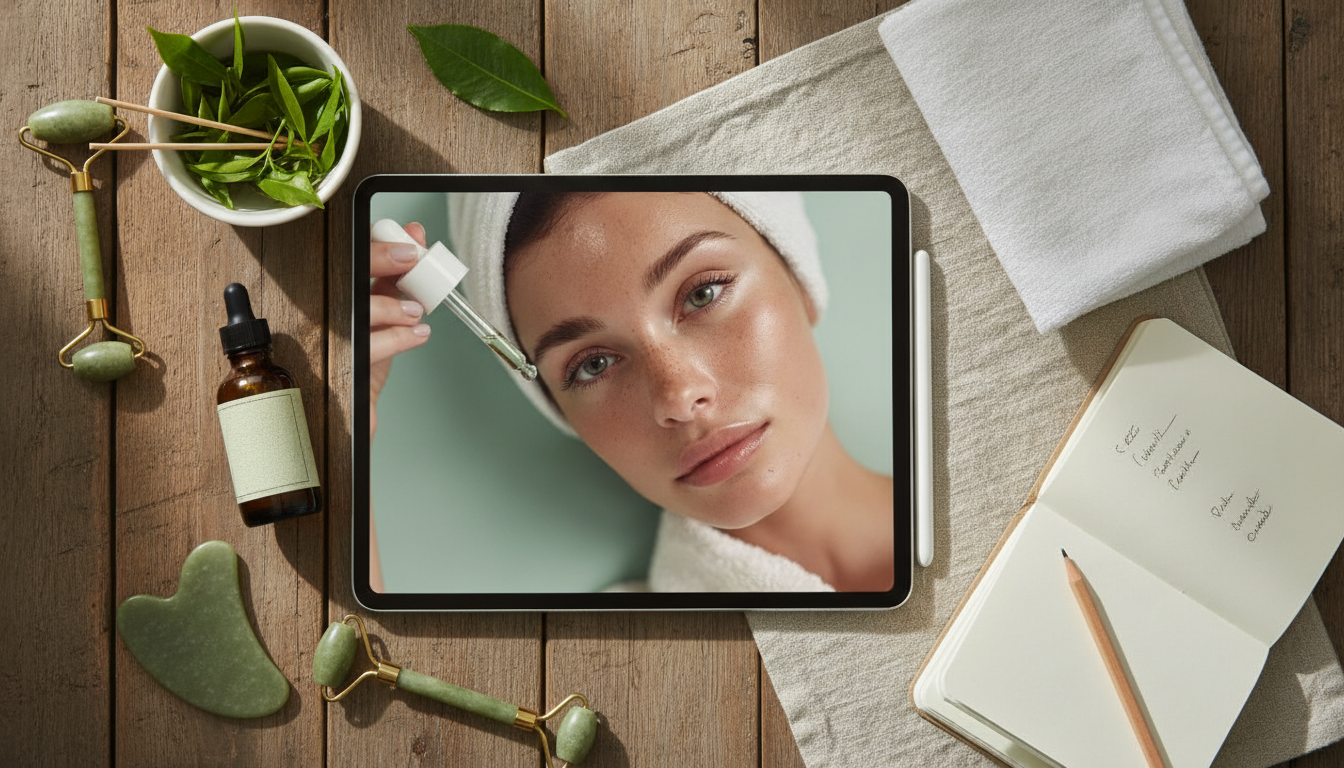
Tea Tree Triumph: A Skin-Loving Checklist for Clearer, Calmer Skin
Tea tree oil has a long-standing reputation for helping skin feel cleaner, fresher, and less congested—but the difference between “glowy” and “angry” often comes down to how it’s chosen, diluted, and paired with the rest of a routine. Use this checklist-style guide to match tea tree oil to common concerns (blemishes, excess oil, irritated-looking patches) while keeping barrier comfort front and center.
What tea tree oil is (and why skin tends to love it)
Tea tree oil is an essential oil distilled from the leaves of Melaleuca alternifolia. In skincare, it’s used for its cleansing and soothing reputation—especially for areas that feel oily, congested, or breakout-prone.
Its best-known claim to fame is antimicrobial support, which is why it shows up in spot treatments, gels, cleansers, scalp products, and body washes. That said, tea tree can feel “strong” on skin. Results depend heavily on dilution, precise placement, and patch testing—non-negotiables if you want the benefits without the burn.
For additional safety context, see guidance from NCCIH and the American Academy of Dermatology.
The ultimate skin-loving checklist: benefits and where they show up
- Blemish support: When properly diluted and used as a true spot treatment, tea tree can help congested areas feel cleaner and look less inflamed.
- Oil and shine control: A well-formulated tea tree product can support a fresher feel on oily zones (often the T-zone) without the “stripped” tightness that triggers rebound oiliness.
- Soothing for irritated-looking skin: For occasional redness around breakouts, tea tree may feel more comfortable when paired with barrier-friendly moisturizers (think ceramides, glycerin, panthenol).
- Scalp and body crossover: Tea tree is commonly used in rinse-off scalp care and body washes, especially for back/chest breakouts, where formulas can be washed away thoroughly.
- Deodorizing freshness: Its crisp scent is often used in cleansing products where odor control matters (like feet), though fragrance sensitivity still applies.
How to use tea tree oil safely (the non-negotiables)
- Patch test first: Apply a tiny amount of a properly diluted product to the inner forearm and wait 24 hours before using it on the face.
- Never apply undiluted essential oil to large areas: Irritation risk increases sharply with concentration, especially on facial skin.
- Avoid sensitive zones: Keep it away from eyes, nostrils, lips, and broken skin. Accidental transfer from hands is a common issue—wash hands after use.
- Use at night if possible: Evening application helps reduce sun-exposure variables and gives you time to layer moisturizer slowly and gently.
- Stop if symptoms escalate: Burning, persistent redness, swelling, or rash are signs to pause and simplify the routine until calm.
Dilution and formats: choosing what fits your routine
Tea tree is less about “more” and more about “right format, right placement.” Choose the option that matches your sensitivity level and how often you need support.
Tea tree oil use guide: formats, best uses, and cautions
| Format | Best for | How to use | Cautions |
|---|---|---|---|
| Diluted spot treatment | Occasional blemishes | Dab only on the spot 1x/day, then moisturize | Avoid wide application; discontinue if stinging persists |
| Rinse-off cleanser | Oily skin, body breakouts | Use as directed; rinse thoroughly | Can still irritate; don’t over-cleanse |
| Leave-on gel/serum | Blemish-prone routines | Apply thin layer to targeted zones | Check for fragrance and alcohol if sensitive |
| Scalp product (shampoo/tonic) | Oily scalp, buildup feeling | Use 2–3x/week as tolerated | Avoid eyes; don’t use on broken scalp skin |
Why pre-formulated usually beats DIY
DIY mixing is where many routines go sideways: dilution can be inconsistent, contamination is easier than expected, and it’s hard to verify concentration. If tea tree is going to be a repeat step (instead of a rare, once-in-a-while spot dab), pre-formulated options tend to be the safer, steadier choice.
Routine pairing: what to combine (and what to avoid)
If you want a quick, structured way to plan and track usage, consider Tea Tree Triumph: The Ultimate Skin-Loving Checklist. For a routine that emphasizes long-term balance and comfort, Skin Microbiome Balance: Prebiotics + Probiotics Routine pairs well with barrier-first habits.
Skin types and concern-specific checklists
Signs it’s working vs. signs to pause
For a deeper look at potential reactions and sensitization, DermNet’s overview is a helpful reference: Tea tree oil (DermNet).
A simple weekly checklist to stay consistent
Printable guide: Tea Tree Triumph checklist
A ready-to-use checklist makes it easier to patch test, stay consistent, and avoid the most common tea tree mistakes (overuse, over-coverage, and over-layering). Tea Tree Triumph: The Ultimate Skin-Loving Checklist is designed for quick routine planning—what to use, where to apply, and when to pause—so tea tree stays a helper rather than a hassle.
FAQ
Can tea tree oil be applied directly to the skin?
Undiluted tea tree oil is more likely to irritate, especially on facial skin. For safer results, use a properly diluted, skin-formulated product, patch test first, and keep application targeted rather than spread over large areas.
How often should tea tree oil be used for blemishes?
Many people do best starting 2–3 nights per week, then increasing only if skin stays comfortable. For true spot care, once-daily targeted use can be tolerated by some, but back off immediately if dryness, stinging, or redness builds.
What should not be mixed with tea tree oil in a routine?
Avoid stacking it with multiple strong actives (like exfoliating acids and retinoids) or layering several fragranced/essential-oil products at once. If you use stronger treatments, alternate nights and keep the rest of the routine focused on hydration and barrier support.










Leave a comment