Create a Calm Family Zone: Zones, Storage, and Flow
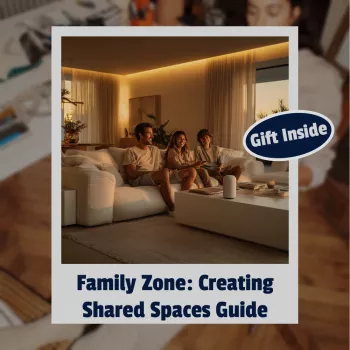
Shared rooms can feel lively and connected—or constantly cluttered and chaotic. A strong family zone balances together-time with personal boundaries, using smart layout choices, flexible furniture, and storage that’s easy for kids and adults to maintain. Below are practical steps for building a comfortable, durable, and organized shared space, plus an optional digital eBook if you want a structured plan with ready-to-use ideas.
What a “family zone” really needs
The most successful shared spaces aren’t the ones with the most stuff—they’re the ones with the clearest decisions.
- A clear purpose: pick 2–3 primary uses (play + relax, or relax + homework + hosting). Too many competing functions creates friction fast.
- Visual calm: a few larger zones feel more restful than lots of tiny “stations” fighting for attention.
- Easy reset: storage that supports a 5-minute tidy (open bins, baskets, labeled drawers) keeps the room usable day to day.
- Durability: washable textiles, wipeable surfaces, and sturdy pieces that can handle daily wear.
- Boundaries without walls: rugs, lighting, bookcases, and seating direction define space without making the room feel closed off.
Map the room: traffic flow, sightlines, and noise
Before buying anything, map how the room actually works. A layout that looks great can still fail if it blocks movement, amplifies noise, or pushes clutter into the most visible spots.
- Sketch the room and mark doors, windows, outlets, vents, and the main walking paths.
- Protect the walkways: aim for 30–36 inches for primary paths where possible to prevent bottlenecks.
- Use sightlines on purpose: place messy zones (toys/crafts) where they’re easy to supervise but not the first thing you see from the entry.
- Soften sound: curtains, rugs, upholstered seating, and felt pads under bins reduce echo and the “everything is loud” feeling.
- Plan for power: create a charging spot that doesn’t sprawl across seating areas, ideally near an outlet with a short cord run.
Common family-zone layouts and when they work best
| Layout approach | Best for | Key furniture moves | Storage strategy |
|---|---|---|---|
| Conversation-first | Families who host or do movie nights | Sofa + chairs facing inward; coffee table with rounded edges | Closed storage behind seating; a single toy basket for quick pickup |
| Play-and-relax split | Mixed ages, frequent playtime | Rug-based play zone + separate lounge zone | Low cubbies in play area; lidded ottoman in lounge zone |
| Homework hub | Kids who need routine for schoolwork | Wall desk or narrow table near outlets; task lighting | Vertical shelves; rolling cart for supplies; paper tray system |
| Micro-zones in small rooms | Apartments or open-plan living | Room divider shelf; nesting tables; compact loveseat | Wall hooks; under-sofa bins; baskets sized to fit shelves |
Create zones that match real family routines
Zones should reflect what happens on a normal Tuesday—not just what you wish happened. Keep it simple and repeatable.
- Choose 3–4 zones max: lounge, play, work, and a drop-zone (entry catch-all) are the most common.
- Anchor each zone with one clear cue: a rug, a light fixture, or a distinct storage unit makes the “edges” obvious.
- Design for transitions: a drop-zone near the entry helps backpacks, shoes, and coats stop migrating into the living area.
- Make together-space the most inviting: the comfiest seating belongs where people actually gather.
- Add a flexible surface: an ottoman tray or nesting tables let you swap from snacks to board games in seconds.
Storage that stays organized (even with kids)
Storage only works when it matches behavior. If it’s hard to put away, it won’t happen—especially during busy evenings.
For healthier day-to-day living, it also helps to keep dust collectors (overflow piles, open craft scraps) to a minimum; the EPA’s guidance on indoor air quality is a useful reference when choosing easy-clean materials and routines.
Decorating choices that support shared living
- Tighten the palette: choose 2–3 main colors so books, toys, and kid art don’t make the room feel visually loud.
- Pick performance materials: washable covers and wipeable finishes matter more than “perfect” styling; keep a basic stain-removal kit nearby.
- Layer lighting: overhead for general use, task lighting for homework/crafts, and warm lamps for winding down.
- Hang art at mixed heights: kid art low enough to feel included; larger pieces higher to unify the space.
- Prioritize safety: secure bookcases and TVs (see the CPSC Anchor It! campaign), choose stable rugs with grippers, and avoid sharp corners in high-traffic zones.
Make it flexible: furniture that adapts as kids grow
A simple 7-day refresh plan
When a step-by-step design guide helps most
If you want a ready-to-follow approach, consider Family Zone: Creating Shared Spaces Guide (digital download) for layout, decorating, and storage direction in one place. For families also building calmer wind-down routines, Unlock the Page: Simple Guide to Getting Motivated to Read More Books (digital download) pairs well with a cozy reading corner inside your family zone.
FAQ
How can a living room function as both a play space and a relaxing space?
Create two clear zones: a rug-defined play area and a separate lounge area with the most comfortable seating. Use one fast-drop toy basket for daily pickup, rely on closed storage for visual calm, and keep a nightly 5-minute reset so the room “resets” for adults.
What’s the easiest way to keep shared spaces from getting cluttered every day?
Use category-based bins at reachable heights, limit each category to one container, and add a return basket for stray items. A short end-of-day tidy works best when everything already has an obvious home.
What furniture works best for small family zones?
Choose modular and dual-purpose pieces like a storage ottoman, nesting tables, slim shelving, a rolling cart, and lightweight seating you can move as activities change. A wall-mounted or narrow desk near outlets can create a homework spot without eating up floor space.






Leave a comment