Backcountry Safety Guide: Plan, Navigate and Prepare
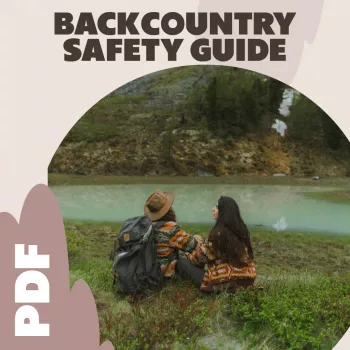
A good backcountry trip starts before you reach the trailhead. Our digital Backcountry Safety Guide is a planning companion for hikers and campers who want to think through navigation, emergency preparedness, and the decisions that can shape a day outdoors. Preparation cannot eliminate every risk, but it can help you recognize your options and make more confident choices before and during a trip.
Start With a Realistic Trip Plan
Choose a route that fits everyone in your group, not just the strongest hiker. Look beyond mileage: elevation gain, steep descents, stream crossings, rough footing, and a heavy pack can make a short route more demanding than it appears. Consider each person’s experience, fitness, and comfort with the conditions you may encounter.
Before leaving, check the forecast, available daylight, current trail reports, and local advisories. Conditions can change quickly, so identify a turnaround point and give yourself enough time to return before dark. If the weather or trail conditions exceed your group’s abilities, choose a different route or postpone the trip.
Leave your planned route, group members’ names, and expected return time with a trusted contact. Include your vehicle and trailhead details when relevant, plus instructions for when to seek help if you do not return or check in. Tell that person when you are safely back so they do not start an unnecessary search.
Build a Backcountry Readiness Checklist
Your supplies should reflect the terrain, season, trip length, and likely conditions. A summer day hike near a busy trailhead calls for different preparations than a remote overnight trip in cold weather. Think about what you would need if the outing took longer than planned, and make sure you know how to use what you carry.
Use our checklist as a starting point, not a substitute for local guidance or appropriate training. The National Park Service’s hiking safety guidance offers additional advice to consider before you head out.
Before-You-Go Checklist
| Planning area | What to consider |
|---|---|
| Route and navigation | Carry a map and compass; know how to use them and check the route. |
| Weather and clothing | Pack layers and protection suited to expected conditions. |
| Water and food | Bring sufficient water, a treatment method, and extra food. |
| Emergency supplies | Consider first aid, a light, shelter, and a way to signal for help. |
| Communication | Leave a trip plan and consider a communication device suited to the area. |
Review the list with your group so everyone understands what is being carried and where to find shared supplies. Check batteries, replace used first-aid items, and make sure rain protection and extra layers are accessible. For broader emergency kit ideas, see Ready.gov’s kit-building guidance, then adapt your choices to the backcountry.
Prepare to Navigate and Respond
Practice with a map and compass before your trip, ideally in a familiar area where you can check your work. Learn to orient the map, identify landmarks, and follow a bearing. Review the route in advance and note junctions or features that can help you confirm your location along the way.
A phone can be useful, but do not rely on it as your only navigation tool. Batteries can run down, devices can be damaged, and cellular coverage may be unavailable. Carry appropriate backup tools and know how to use them without a signal.
If you become disoriented, pause rather than continuing farther without a clear plan. Assess your location, the time, weather, supplies, and the condition of your group. Consult your map and available information, and consider whether you can safely retrace a known route. If you need assistance, use your communication or signaling equipment according to local emergency procedures.
First-aid training can help you respond more effectively when help is distant. Before you leave, learn how to contact emergency services in the area and understand the limits of your communication device. Our team recommends practicing essential skills before you depend on them outdoors.
Keep the Backcountry Safety Guide Handy
Our Backcountry Safety Guide is a digital resource for thinking through wilderness survival, navigation, and outdoor adventure planning. Listed at $5.99 USD, it offers a convenient way to revisit preparedness considerations as you plan your next outing.
Keep a digital guide accessible, but remember that it complements—not replaces—hands-on skills, suitable equipment, and advice from local authorities. Plan for the possibility that your device may run out of power or lose connectivity.
If your trip planning also includes choosing a book for downtime at camp, our Unlock the Page reading habit guide is another digital resource to explore. It is separate from your safety preparations, so prioritize the equipment and information your route requires.
Before choosing, compare the product details with your daily routine, available space, care needs, and preferred setup. The strongest option is usually the one that fits the intended use clearly and remains simple to clean, store, and check before repeat use.
FAQ
Who is the Backcountry Safety Guide for?
It is a digital planning resource for hikers and campers interested in navigation and emergency preparedness.
Can a digital guide replace navigation equipment?
No. Carry appropriate navigation tools, know how to use them, and plan for limited battery life or connectivity.
What should someone share before a backcountry trip?
Leave your planned route, group details, and expected return time with a trusted contact, along with instructions for when to seek help.










Leave a comment