Purr-fect AI Feeding Tracker: Cat Meal Checklist
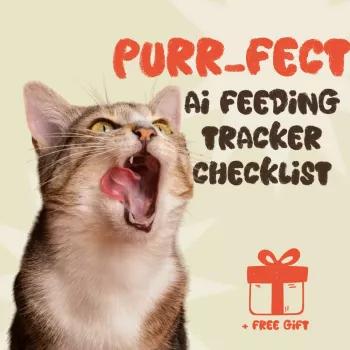
Keeping track of your cat’s meals can be simple, even when several people share feeding duties. A consistent record gives you one place to note what you offered, when you served it, and anything unusual about your cat’s appetite.
Our Purr-fect AI Feeding Tracker Checklist is a practical starting point for organizing those notes. Whether you feed one cat or several, a clear record can help you prepare useful information for conversations with your veterinarian.
Why keep a cat feeding checklist?
It’s easy to forget whether breakfast has already been served or how much food was left in the bowl. Writing down meals as they happen helps everyone in your household work from the same information. It also gives you a way to look back when you notice that your cat is eating differently.
A checklist is an organizational aid, not a tool for diagnosing illness or a substitute for veterinary advice. Its value is in making your observations easier to remember and share. Your veterinarian can help interpret changes and recommend an appropriate feeding plan for your cat.
What to record at each meal
Start with the details you can observe: the time, the type of food, the amount offered, and whether your cat finished it. Measure the food consistently so your entries are easier to compare. If food remains, note roughly how much was left rather than simply marking the meal unfinished.
Add a short note when something seems relevant. You might record treats, a change in appetite, or feeding instructions your veterinarian has given you. If you introduce a different food, noting when the change began can help you follow your cat’s response.
Example daily feeding record
The table below illustrates the kind of information you can collect. It is not a prescribed feeding schedule; follow the meal timing and portions recommended for your cat.
| Meal | Food and amount offered | Finished? | Notes |
|---|---|---|---|
| Morning | Record food and measured amount | Yes or no | Note appetite or leftovers |
| Evening | Record food and measured amount | Yes or no | Note treats or other observations |
You can also include the date and actual serving time with each entry. Keep descriptions straightforward: “left about half” or “ate more slowly than usual” gives you more context than a general note that something seemed off.
Make the checklist part of your routine
Record each meal when you serve it, rather than relying on memory at the end of the day. Then update the entry when you know whether your cat finished. If someone else gives treats, ask them to add those too.
When several people feed your cat, agree on where the record will be kept and how each person will update it. A shared approach can help prevent confusion about whether a meal has already been offered. You can also keep your veterinarian’s feeding instructions nearby so everyone has the same reference.
Review your notes periodically for changes in appetite, leftovers, or treats. An occasional review can help you organize questions for your next veterinary visit, but don’t wait for a routine review if you notice a concerning change.
If you have multiple cats, keep a separate record for each one. When cats share a feeding space, it may be difficult to tell who ate what; noting that uncertainty is more useful than guessing.
When to ask your veterinarian
Portion sizes and dietary needs depend on the individual cat. Ask your veterinarian what and how much to feed, especially if you care for a kitten, a senior cat, or a cat with a medical condition. Bring your feeding notes to the conversation so you can describe what you offer and what your cat actually eats.
If your cat stops eating or shows a concerning change in appetite or behavior, contact your veterinarian promptly. Appetite loss can have several causes, and a record cannot determine which one is responsible. The Cornell Feline Health Center’s guidance on anorexia explains why loss of appetite deserves attention.
For more background on feeding choices and a cat’s nutritional needs, see Cornell’s guide to feeding your cat.
Start a clearer feeding record
Our Purr-fect AI Feeding Tracker Checklist is available for $2.99. Explore it as a starting point for keeping meal details and observations together, then use your veterinarian’s guidance to make decisions about your cat’s diet.
If you’re also looking for help building a different daily habit, our Unlock the Page reading habit guide offers a separate resource for making more time for books.
FAQ
How often should I update a cat feeding record?
Update the record at each meal, then add treats or notable appetite changes as they occur. Recording details promptly makes them easier to remember.
Can a feeding checklist tell me how much my cat should eat?
A checklist helps you track food offered, but it cannot determine the right portion for your cat. Discuss your cat’s individual needs with your veterinarian.
Should I keep separate feeding records for multiple cats?
Yes. Separate records make it easier to follow each cat’s meals and identify individual changes in appetite or intake.










Leave a comment